A traditional wedding in Japan is shaped by centuries of cultural and spiritual beliefs, particularly those rooted in Shinto practices, and is often admired for its rich symbolism and strong connection to tradition. These wedding traditions offer a thoughtful insight into how marriage is viewed as a bond between two people, as well as a union that brings families together through shared values and responsibilities.
What’s in This Guide?
You’ll learn about the structure of Japanese wedding ceremonies, the attire worn by the bride and groom, the role of families, and which customs are considered respectful and which are considered inappropriate. It also explains how modern Japanese weddings differ from traditional ceremonies, along with cultural insights.
Jump to:
7 Wedding Traditions and Rituals in Japan
Japanese weddings differ from other wedding customs around the world, with each tradition serving a specific purpose. While not every couple follows all customs exactly, these rituals form the foundation of many Japanese wedding ceremonies.
Recommended for you!
Best Sellers







1. Shinto Wedding Ceremonies and Sacred Spaces
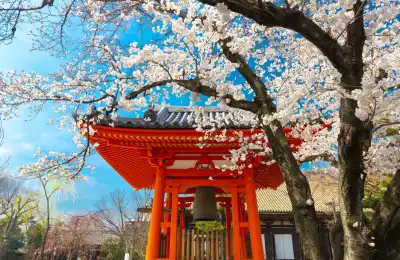
A traditional Japanese wedding ceremony often takes place at a Shinto shrine or a venue designed to resemble one. Shinto is Japan’s indigenous belief system, centred on nature, harmony, and respect for spiritual beings known as kami.
During the ceremony, the couple is purified to symbolise the removal of past impurities and the start of a shared life together. The atmosphere is formal and serene, reflecting the importance of the commitment being made. This setting plays a central role in shaping the tone of wedding ceremonies in Japan.
2. San-san-kudo Sake Sharing Ritual
One of the most recognisable wedding traditions of Japan is the san-san-kudo ritual. The bride and groom take three sips each from three separate cups of sake, creating a total of nine sips. The shared act symbolises trust and commitment, making it one of the most meaningful moments in a Japanese wedding ceremony.
3. Family Involvement and Ancestral Respect
Japanese weddings place strong emphasis on family connections; parents and close relatives play an important role, often sitting near the couple during the ceremony. Offerings are made to the kami to honour ancestors and seek blessings for the marriage. This reflects the cultural belief that marriage affects not only the couple but the wider family structure.
4. Traditional Japanese Wedding Attire
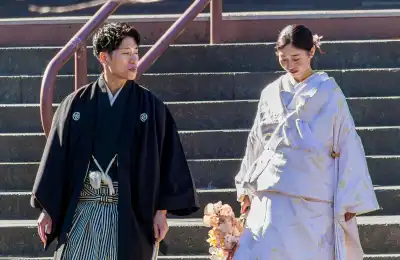
The Japanese bride’s traditional wedding dress is known as the shiromuku, a white kimono symbolising purity and readiness for a new life. White reflects the bride’s openness to becoming part of her partner’s family. Grooms typically wear a formal black kimono with family crests and hakama trousers. These garments represent dignity and respect for tradition.
5. Costume Changes During the Celebration
Many Japanese brides change outfits several times during the wedding day. After the ceremony, a colourful kimono such as an uchikake may be worn, followed by a Western-style dress later in the reception. This practice reflects both tradition and modern influence, allowing brides to express different aspects of identity.
6. Wedding Receptions and Formal Structure
Following the ceremony, couples usually host a formal reception known as a hiroen. This part of the wedding includes speeches and videos, and guests are thanked individually or collectively, reflecting the importance of appreciation and respect. Unlike many Western receptions, dancing is often limited, with the focus placed on food, speeches, shared reflection, and moments of gratitude.
7. Monetary Gifts and Financial Customs
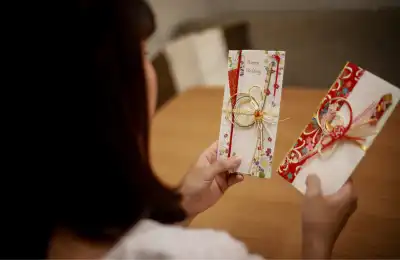
Guests at a Japanese wedding usually give money rather than physical gifts. This cash gift is presented in a decorative envelope and helps cover the cost of the celebration. Traditionally, the groom’s family paid for most wedding expenses, but today, costs are often shared between families and the couple.
Wedding Taboos and Cultural Sensitivities
In Japanese weddings, certain words, numbers, and behaviours are traditionally avoided, as they’re believed to bring misfortune and disrupt the celebratory atmosphere. Understanding these sensitivities helps ensure that the occasion remains respectful and culturally appropriate.
- Unlucky numbers: The numbers four and nine are avoided during Japanese wedding ceremonies and receptions. The number four can sound like the word for death, while nine is associated with suffering. For this reason, these numbers are usually excluded from table numbers, gift amounts, and decorative groupings.
- Negative or separating language: Words and phrases that imply separation, endings, cutting, or breaking are avoided in speeches and congratulatory notes. This reflects the belief that spoken words carry symbolic weight, particularly on important life occasions such as weddings.
- Guest behaviour and dress: Guests are expected to dress conservatively and behave respectfully throughout the ceremony. Overly casual clothing, revealing outfits, or excessive displays of emotion may be seen as inappropriate in a formal setting.
Modern Adaptations of Japanese Wedding Traditions
While traditional customs continue to hold meaning, many Japanese weddings today reflect changing lifestyles and personal preferences. This blending of old and new has become a defining feature of modern Japanese wedding traditions, reflecting a society that values both continuity and personal expression.
Western-style venues such as hotel chapels and event halls are now popular choices, even when the ceremony itself is symbolic rather than religious. Ring exchanges, white wedding dresses, and personalised vows are widely included, drawing influence from international wedding styles.
At the same time, traditional aspects of Japanese history are rarely abandoned entirely. Many couples incorporate Shinto rituals, wear traditional attire for part of the day, and involve family members in ceremonial roles. This careful balance allows couples to honour family expectations and cultural heritage while embracing contemporary ideas about marriage.
Frequently Asked Questions
How long does a traditional Japanese wedding ceremony usually last?
A traditional Japanese wedding ceremony is relatively short and typically lasts around 20 to 30 minutes. The ceremony is highly structured and formal, focusing on rituals rather than lengthy speeches and readings. The reception that follows is usually much longer and more elaborate.
Are Japanese weddings usually small or large?
Traditional Japanese wedding ceremonies are often small and intimate, with close family members in attendance. Receptions can be larger, but guest numbers are still generally more modest than large Western weddings. Invitations are usually extended to people with a clear personal or professional connection to the couple.
Do Japanese couples usually go on a honeymoon after the wedding?
Many Japanese couples do take a honeymoon, often shortly after the wedding celebrations. Popular destinations include domestic locations within Japan as well as overseas travel to places such as Europe, Hawaii, or Southeast Asia. Honeymoons are seen as a time to relax after what can be a carefully planned and formal wedding process.
Are wedding invitations in Japan sent far in advance?
Wedding invitations in Japan are typically sent closer to the wedding date than in some Western countries, often around one to two months beforehand. Guests are expected to respond promptly, as seating arrangements and meal planning are very precise.
Is photography allowed during the ceremony?
Photography rules depend on the venue. At Shinto shrines, photography during the ceremony may be restricted or only allowed for professional photographers. Guests are usually encouraged to take photos during the reception rather than during sacred rituals.
Do Japanese weddings include music and entertainment?
Music is commonly included during receptions and may range from traditional Japanese instruments to recorded modern music. Entertainment is usually subtle and carefully planned, such as speeches, short performances, and video presentations, rather than spontaneous and loud activities.
Is there a specific season that is popular for weddings in Japan?
Spring and autumn are particularly popular wedding seasons in Japan due to mild weather and scenic surroundings, especially during cherry blossom season and autumn foliage. These periods are often booked well in advance at popular venues.
Recommended for you!
Best SellersStudy Our Wedding Planner Business Diploma for £29
If you would like to develop your knowledge further, the Wedding Planner Business Diploma Course is available for a discounted price of £29, making it an accessible way to turn your interest in weddings into a valuable skill set.
If you would also like to join our learning community, unlock exclusive discounts, and receive expert tips, you can sign up for our mailing list.