Chinese wedding traditions and rituals reflect thousands of years of history, philosophy, and deeply rooted family values. Every element of a traditional Chinese wedding, from the colours and dates to the food and ceremonial actions, is chosen with intention and meaning.
Learning about these traditions helps you understand why Chinese weddings are rich in ritual, and why many couples continue to honour customs that have been passed down through generations, even within modern celebrations.
What’s in This Guide?
This guide provides an overview of Chinese wedding traditions and rituals, including the cultural values behind Chinese marriage, Chinese traditional wedding customs, and the symbolism that shapes each ritual. We’ll also cover questions surrounding areas such as gifts, etiquette, colours, and modern marriage practices.
Jump to:
- Chinese Marriage Culture
- 11 Traditional Chinese Wedding Customs
- Choosing An Auspicious Wedding Date
- Betrothal Gifts And Engagement Rituals
- Hair Combing Ceremony
- The Red Wedding Dress And Attire
- Door Games At The Groom’s Arrival
- The Tea Ceremony
- The Red Umbrella Tradition
- The Wedding Procession
- The Wedding Banquet
- Traditional Chinese Wedding Cake
- Red Envelopes And Monetary Gifts
- Frequently Asked Questions
- Study Our Wedding Planner Business Diploma For £29
Chinese Marriage Culture
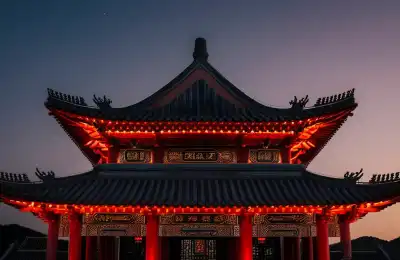
Chinese marriage culture places strong emphasis on family and long-term harmony. Traditionally, marriage was viewed as a social and familial responsibility rather than a purely personal choice. Even today, families often play an active role in wedding planning, introductions, and ceremonial events.
Respect for elders is central to Chinese wedding ceremony traditions. Rituals such as the tea ceremony reinforce hierarchy and family unity. Marriage is also closely tied to symbolism, with numbers, colours, and objects chosen to attract luck and prosperity. Although modern attitudes have evolved, these cultural foundations continue to shape wedding traditions in China.
11 Traditional Chinese Wedding Customs
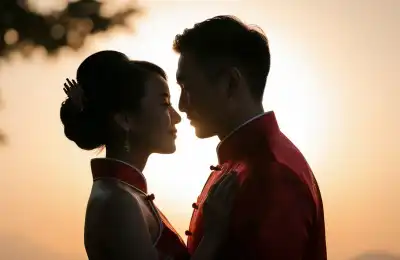
Traditional Chinese wedding customs are layered with meaning and symbolism. While not every couple follows all of these rituals, many remain widely recognised and respected. Together, they reflect the values of commitment and good fortune.
1. Choosing an Auspicious Wedding Date
Selecting a lucky wedding date is considered an important step in traditional Chinese wedding traditions. Dates are often chosen using the lunar calendar, astrology, and sometimes guidance from fortune-tellers to ensure harmony between the couple’s birth signs. Certain days are believed to attract positive energy, while others are avoided due to associations with conflict and misfortune.
Choosing the right day symbolises a strong beginning, setting the couple on a path of balance and shared prosperity from the very start of their married life.
2. Betrothal Gifts and Engagement Rituals
Before the wedding takes place, the groom’s family traditionally presents betrothal gifts to the bride’s family as a formal sign of commitment. These gifts represent respect and the groom’s readiness to take on the responsibilities of marriage, and the exchange also strengthens the bond between the two families.
Common betrothal items include food, tea, wine, and symbolic objects associated with wealth and fertility. While modern couples may simplify this tradition, the gesture remains an important expression of goodwill and mutual respect within Chinese wedding customary practices.
3. Hair Combing Ceremony
The hair combing ceremony usually takes place on the evening before the wedding and holds deep symbolic meaning. A respected elder, often someone happily married, combs the bride’s and groom’s hair while offering spoken blessings. Each comb stroke is associated with wishes for long life and lasting happiness.
This ritual marks the transition from youth to adulthood and married life. It reflects the belief that marriage is not just a celebration but a serious and meaningful life change, deserving of reflection and blessing before the wedding day begins.
4. The Red Wedding Dress and Attire
Traditional Chinese wedding dresses are most often red, a colour associated with joy, good fortune, protection, and believed to ward off negative energy. Red remains the most important colour in traditional Chinese wedding attire.
Gold embroidery featuring dragons and phoenixes is commonly used to symbolise balance and harmony between partners. The dragon represents strength and masculinity, while the phoenix symbolises grace and femininity. Together, they reflect a balanced and harmonious marriage.
5. Door Games at the Groom’s Arrival
On the wedding day, the groom is traditionally required to complete playful challenges before he is allowed to see the bride. These door games are organised by the bride’s friends and relatives and often involve riddles, singing, and humorous tasks.
While light-hearted in nature, these games symbolise effort, patience, commitment, and the groom’s willingness to overcome obstacles for his partner. They highlight the importance of dedication and perseverance within marriage.
6. The Tea Ceremony
The tea ceremony is one of the most meaningful and emotionally significant rituals. During the ceremony, the couple serves tea to their parents and elders as a sign of respect, gratitude, and acknowledgement of their guidance and care.
In return, elders offer blessings, jewellery, or red envelopes containing money. This exchange formally welcomes the couple into each other’s families and reinforces the importance of family bonds and generational connection in Chinese marriage culture.
7. The Red Umbrella Tradition
A red umbrella is sometimes used to shield the bride as she leaves her family home, a tradition that symbolises protection and the hope for a smooth transition into married life. The umbrella is believed to guard the bride against negative influences during this important moment of change.
8. The Wedding Procession
Traditional wedding processions were once elaborate and highly ceremonial, involving musicians, lanterns, and symbolic decorations. The procession represented the formal transfer of the bride from her family home to the groom’s household.
Although modern wedding processions are often simpler, the symbolic meaning remains important. The act of escorting the bride reflects respect and the shared journey the couple is beginning together.
9. The Wedding Banquet
The wedding banquet is a central part of a Chinese wedding and serves as the main public celebration of the marriage. It’s an opportunity for families and friends to gather and share in the couple’s happiness.
Chinese wedding foods are carefully selected for their symbolic meanings: fish represents abundance, noodles symbolise longevity, and sweet dishes reflect happiness and harmony. The banquet expresses gratitude to guests and celebrates the couple’s future through shared food and fellowship.
10. Traditional Chinese Wedding Cake
The traditional Chinese wedding cake differs from Western wedding cakes in both appearance and symbolism. Rather than a single-layered cake, couples often serve sweet pastries or stacked cakes made with lotus seed paste or red bean filling.
These desserts symbolise sweetness and harmony in marriage, and sharing them with guests reinforces wishes for a joyful and balanced future together.
11. Red Envelopes and Monetary Gifts
Red envelopes filled with money are the most common wedding gifts in Chinese weddings. The colour red symbolises good fortune and happiness, while the money inside represents practical support for the couple’s new life together. The amount given is chosen carefully, often favouring numbers associated with luck.
Recommended for you!
Best Sellers






Frequently Asked Questions
How formal are Chinese weddings compared to Western weddings?
Many rituals follow a set order, and attention is paid to timing, symbolism, and etiquette. While the atmosphere at the banquet can be lively and celebratory, the ceremonial aspects are often treated with a strong sense of respect and tradition.
How many days does a Chinese wedding last?
Historically, weddings could last several days and include multiple rituals. Today, most celebrations take place over one day, with some customs observed before or after the main event.
What should guests wear to a Chinese wedding?
Guests are expected to dress smartly and avoid white or black clothing, as these colours are associated with mourning. Guests are also encouraged not to wear red outfits that could overshadow the bride. Bright but respectful colours are generally appropriate.
Who pays for a wedding in a Chinese family?
Traditionally, the groom’s family covered most wedding expenses. In modern settings, costs are often shared between families or paid by the couple.
What does gifting chopsticks symbolise?
Chopsticks symbolise unity and partnership, representing two people working together in harmony throughout married life.
Study Our Wedding Planner Business Diploma for £29
If learning about Chinese wedding traditions and rituals has inspired an interest in weddings and event planning, you may wish to explore this field further. Today, you can enrol in our Wedding Planner Business Diploma Course for just £29.
If you would also like to join our learning community, unlock exclusive discounts, and receive expert tips, you can sign up for our mailing list.