If you’ve ever watched your cat nibble on blades of grass in the garden, you might have found yourself wondering why. After all, cats are obligate carnivores, meaning they’re designed to eat meat, not greenery. Yet, this behaviour is surprisingly common among our feline friends. You may even have noticed your cat eating grass and then being sick afterwards, which can be worrying.
So, why do cats eat grass, and is it something you should be concerned about? Let’s explore the possible reasons behind this curious habit, what it means for your cat’s health, and whether it’s okay to let them continue doing it.
Jump to:
- Natural Instincts
- Digestive Benefits
- A Sensory Experience
- Stress or Boredom
- Does Eating Grass Mean My Cat Is Sick?
- Do Indoor Cats Need to Eat Grass?
- Is It Okay for My Cat to Eat Grass?
- Cat Grass vs Outdoor Grass
- Is Grass Good for Cats?
- When to Worry About Your Cat Eating Grass
- Frequently Asked Questions
- Study Feline Behaviour and Psychology for £29
1. Natural Instincts
Although domestic cats are pampered companions, their behaviour is often guided by instincts inherited from their wild ancestors. Wild cats have been observed eating grass or plants even when meat is available. It’s believed that cats chew grass instinctively as part of natural self-maintenance.
In the wild, grass-eating may have helped cats clear out fur, feathers, or bones that they couldn’t digest. By eating grass, they might induce vomiting to expel unwanted material, keeping their digestive systems in better shape. So, when you see your cat eating grass and vomiting, it could be their way of naturally cleansing their stomach.
2. Digestive Benefits
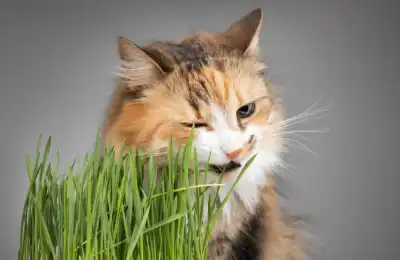
Grass contains a natural chemical called folic acid, which helps with digestion and supports oxygen transport in the blood. Some cats may instinctively seek it out if their bodies crave a nutritional boost. Others may use grass to help move hairballs or undigested food through the system, easing stomach discomfort.
It’s not unusual for a cat to vomit after eating grass; it’s how they eliminate substances their stomach can’t process. Typically, this happens within a few minutes to half an hour, depending on how much they’ve eaten. This quick reaction helps clear out the digestive tract before discomfort escalates.
3. A Sensory Experience
Cats are naturally curious creatures, and many are drawn to the texture, smell, and taste of grass. The act of chewing may be soothing or even enjoyable. Some experts believe cats chew grass as a form of sensory stimulation, similar to how humans might chew gum or play with their hair.
In some cases, cats may chew grass simply because it feels nice on their teeth and gums. You might notice your cat gently nibbling without swallowing much, almost like they’re grooming their mouth. While it’s not a dental treatment, light chewing can help with gum stimulation and provide mild cleaning benefits.
4. Stress or Boredom
Cats often display unusual behaviours when anxious or under-stimulated. Eating grass when stressed or bored could be a self-soothing behaviour, helping them cope with stress or lack of stimulation.
If your cat is desperate to eat grass, it could be linked to emotional needs rather than physical ones. Indoor cats, in particular, may turn to this behaviour if they lack enrichment or access to outdoor experiences. Ensuring your cat has plenty of toys and interactive playtime can reduce this urge.
Does Eating Grass Mean My Cat Is Sick?
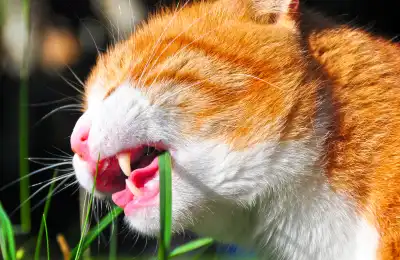
Seeing your cat eating grass and being sick can be unsettling. However, this behaviour doesn’t necessarily mean your cat is unwell. It’s quite common and not always a cause for alarm.
That said, if your cat keeps eating grass and vomiting regularly, it’s worth monitoring. Occasional vomiting after grass consumption is normal, but frequent sickness could point to a deeper issue such as worms or gastrointestinal irritation. Grass can help expel parasites or relieve discomfort in the digestive tract.
If your cat is vomiting repeatedly and showing changes in appetite or energy, it’s best to consult a vet. Grass-eating alone isn’t a problem, but consistent sickness can signal something more serious.
Do Indoor Cats Need to Eat Grass?
Even indoor cats sometimes crave greenery. Without access to a garden, they may try to nibble on your houseplants, which can be dangerous if the plants are toxic. Providing safe cat grass (usually a mix of oats, barley, or wheatgrass) gives them a healthy outlet for this instinct.
You can easily grow cat grass indoors from seed, offering your feline a safe way to explore this natural habit.
Is It Okay for My Cat to Eat Grass?
Letting your cat chew on safe, pesticide-free grass is perfectly fine. Many vets consider it a normal part of feline behaviour. However, you should be cautious about where the grass comes from. Outdoor lawns may have been treated with chemicals, so it’s best to offer a dedicated pot of safe cat grass at home.
If your cat keeps eating grass and throwing up, but seems healthy otherwise, you don’t need to intervene. Just monitor their behaviour for any changes.
Cat Grass vs. Outdoor Grass: What’s the Difference?
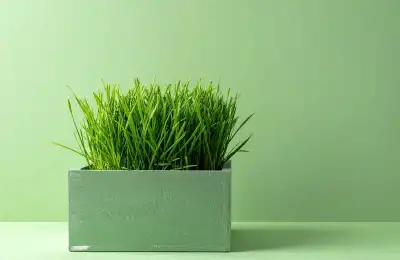
Cat grass is specifically grown for feline consumption. It’s free from chemicals and easy to digest. Outdoor grass, however, may contain fertilisers, pesticides, and other substances that can make your cat ill.
Is Grass Good for Cats?
You might be wondering whether eating grass offers any real benefits for your cat or if it’s simply a harmless habit. The answer depends on the type of grass and how much your cat eats.
In small amounts, grass can be good for cats. It provides fibre, which helps keep digestion moving smoothly, and it may help your cat naturally pass or vomit up hairballs and other indigestible material. Grass also contains folic acid, a vitamin that supports healthy cell growth and oxygen circulation, so there may be mild nutritional perks, too.
When to Worry About Your Cat Eating Grass
While occasional grass-eating is harmless, you should contact your vet if you notice:
- Frequent or severe vomiting
- Blood in vomit or stool
- Lethargy or loss of appetite
- Persistent diarrhoea
- Difficulty breathing after eating grass
These symptoms could indicate gastrointestinal blockage or other health issues that require prompt attention.
Frequently Asked Questions
What Are Cats Lacking When They Eat Grass?
While it might seem that your cat is lacking nutrients, that’s not always the case. Grass isn’t a significant source of nutrition, but it does contain fibre and folic acid, which may help balance digestion.
Sometimes, a cat may be drawn to grass when it feels queasy or bloated. Others might eat it because they’re instinctively following a behaviour pattern passed down through generations. In most cases, your cat isn’t deficient in anything serious.
Do Cats Eat Grass When They Have Worms?
Some cats may instinctively eat grass when their stomachs feel uncomfortable due to parasites like worms. Grass can help trigger vomiting, which might make them feel temporarily better.
However, grass alone won’t solve a worm problem. If you suspect your cat has worms, contact your vet for proper treatment.
Does Eating Grass Hurt a Cat’s Stomach?
For most cats, eating small amounts of grass won’t cause harm. However, too much grass, or grass treated with fertilisers or pesticides, can irritate the stomach. If your cat eats grass and vomits, this is usually a short-lived event that doesn’t cause lasting harm.
Why Does My Cat Eat Grass and Then Vomit?
Cats lack the enzymes needed to properly digest grass. When they swallow it, it tickles the stomach lining, which can trigger a reflex that leads to vomiting.
This might sound unpleasant, but for cats, it’s often a helpful way to clear out indigestible matter like hairballs or bones. It’s a self-cleaning mechanism rather than a sign of sickness.
Why Is My Cat So Desperate to Eat Grass?
If your cat seems obsessed with finding and eating grass, it might be due to a combination of instinct and dietary preference. Some cats simply enjoy the taste or texture, while others might crave the physical sensation or digestive relief it brings. Cats with pica may have a particular affinity for grass.
Recommended for you!
Best Sellers





Study Feline Behaviour and Psychology for £29
If you’re fascinated by your cat’s mysterious habits and want to understand them on a deeper level, consider enrolling in our Feline Behaviour and Psychology Diploma Course. This online course explores cat behaviour and communication, helping you build a stronger bond with your feline companion. Right now, you can access it for a discounted price of just £29!