If you've ever been greeted by a dead bird on your doorstep — or worse, woken up to find a mouse thoughtfully deposited on your pillow — you're not alone. It's one of those moments that leaves cat owners somewhere between baffled and mildly horrified.
You love your cat dearly, but this particular habit can be a little hard to appreciate. The good news is that there's a perfectly logical explanation for it, rooted deep in feline instinct and behaviour. Understanding why your cat does this can actually bring you closer to appreciating just how fascinating these animals really are.
Jump to:
- A Cat’s DNA and The Hunting Instinct
- Why do Cats Bring Dead Animals Home?
- Why do Cats Bring You Mice Specifically?
- Why do Cats Bring You Alive Animals?
- Do Male and Female Cats Both Do This?
- Why Does My Cat Keep Bringing Me Dead Animals?
- How Should I React When My Cat Brings Me Dead Animals?
- How to Stop Cats from Bringing Dead Animals into the House
- Study Feline Behaviour and Psychology for £29
A Cat’s DNA and The Hunting Instinct
To understand why cats bring dead animals home, you first need to understand what cats fundamentally are: predators. No matter how pampered or domesticated your cat might seem, they carry thousands of years of hunting instinct inside them. Even a cat that has never once needed to hunt for food will still stalk, pounce on, and catch prey — because for cats, hunting isn't simply about hunger. It's a deeply ingrained behaviour that gives them purpose, stimulation, and satisfaction.
In the wild, a cat's survival depended entirely on its ability to hunt effectively. That drive hasn't disappeared just because your cat now has a bowl of kibble waiting for them at home. Their brain is still wired to hunt, and when they succeed, they feel compelled to do something with what they've caught.
Domestication has softened many animal behaviours over thousands of years, but the cat is something of an exception. Unlike dogs, which have been selectively bred for centuries to work alongside humans, cats essentially domesticated themselves, and they've retained far more of their wild instincts as a result. That solitary, self-sufficient hunter still lives very much inside your cat, whether they're prowling the garden or lounging on the sofa.
Why do Cats Bring Dead Animals Home?
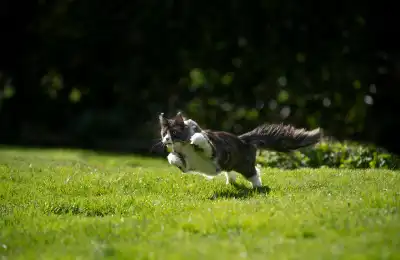
Cats bringing dead animals back to their home is actually a behaviour steeped in meaning. It might look like a bizarre or even macabre habit from the outside, but from your cat's perspective, it makes complete sense. There are a few key reasons why this happens.
They're Trying to Teach You to Hunt
One of the most widely accepted theories is that your cat is attempting to teach you. In the wild, mother cats bring back prey to their kittens — first dead animals to introduce them to the concept, and later live animals to let them practise. Your cat may well view you as part of their family unit and, frankly, may have concluded that you're a rather poor hunter who needs some guidance.
If your cat keeps bringing you dead animals, consider it a compliment of sorts. They're trying to help. They see you leaving the house empty-handed every day and returning without a single mouse to show for it. From their perspective, something must be done. You're essentially the kitten they've decided to look after.
It's an Act of Love and Trust
Another explanation is that bringing you prey is a genuine gift, and an expression of affection and trust. Cats are not naturally inclined to share resources. The fact that your cat is choosing to bring their catch to you, rather than simply eating it themselves, says something significant about the bond they feel with you.
This behaviour is particularly common in clingier cats and cats that have formed strong attachments to their owners. So while it might make your stomach turn a little, the spirit behind it is genuinely sweet. Your cat thinks the world of you, and they're showing it in the most natural way they know how.
Why do Cats Bring You Mice Specifically?
Mice are small, fast, and abundant in many environments, making them a prime target for a hunting cat. So if you've found yourself wondering why your cat brings mice into the house rather than simply leaving them outside, the answer largely comes back to prey availability and hunting success.
Mice represent an ideal catch: the right size, the right challenge, and the right reward. When your cat brings you mice, they're sharing what they consider to be a genuinely valuable prize. Birds, voles, and insects can also fall into this category, but mice are often the most common culprit simply because they're so frequently encountered by outdoor cats. If you live near open fields, woodland, or even just a garden with good cover, your cat is likely finding plenty of opportunity to hunt.
It's also worth noting that cats tend to bring prey home to eat it in a safe, familiar space. Even when they're offering it to you as a gift, that instinct to carry prey back to the den plays a role in why they bring it inside rather than consuming it where they caught it.
Why do Cats Bring You Live Animals?
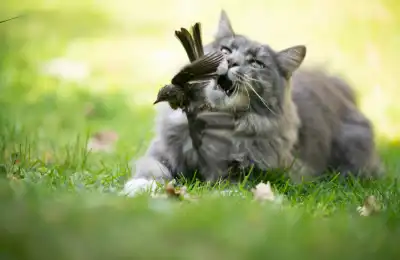
Perhaps even more unsettling than a dead animal is a live one — a bird fluttering around your living room, or a mouse darting behind the sofa. Why do cats bring you live animals rather than finishing the job first?
This behaviour connects back to that teaching instinct. As mentioned earlier, mother cats bring live prey to their kittens so that the young cats can practise their hunting skills in a relatively controlled environment. Your cat may be doing exactly the same thing for you, by presenting you with a live animal and essentially inviting you to have a go. From their point of view, you're getting a practical lesson.
Alternatively, some cats simply lose interest in their prey once the chase is over. The thrill of the hunt is what drives them, and once caught, the animal can become less interesting. Bringing it inside may be their way of relocating it to a familiar space before they decide whether to continue playing with it or abandon it entirely. This is especially common in younger, more playful cats who treat hunting as much as a game as a survival skill.
Do Male and Female Cats Both Do This?
Both male and female cats bring home dead animals, though the behaviour is especially common in female cats that have not been spayed.
Why female cats in particular? Because in a natural setting, it would be the mother who teaches the young. Unspayed females retain strong maternal instincts, and those instincts often extend to their human family members. That said, male cats bring home dead animals too, and neutered cats of both sexes can still display this behaviour, since it's rooted in hunting instinct rather than purely in reproductive hormones.
Age, temperament, and outdoor access all have a significant influence as well; a bold, confident cat who spends a lot of time outside is far more likely to come home bearing gifts than a timid indoor cat.
Why Does My Cat Keep Bringing Me Dead Animals?
If your cat brings dead animals home on a regular basis, it likely means a few things: they have consistent access to prey outdoors, they're confident and capable hunters, and they feel a strong enough bond with you to want to share their spoils. Cats that repeatedly bring dead animals home are often those with a large territory and plenty of hunting opportunities nearby.
It can also indicate that your cat is not getting quite enough mental or physical stimulation in their day-to-day life. Hunting fulfils a deep psychological need, and if your cat is hunting frequently and bringing the results home, it may be worth thinking about how you can enrich their indoor environment — with play, puzzle feeders, and interactive toys that channel that predatory energy constructively.
A cat that’s well-stimulated at home may still hunt outdoors, but they may be less driven to do so at the intensity of a bored or under-stimulated cat.
How Should I React When My Cat Brings Me Dead Animals?
It's a tricky situation, because scolding your cat for this behaviour is likely to cause confusion and distress, since they genuinely believe they've done something wonderful. So what's the right approach when your cat brings dead animals to you?
- Stay calm. Reacting with loud noises or visible distress can frighten your cat and damage the trust they've shown in bringing you their gift.
- Don't punish your cat. They have no way of understanding why you're upset, and punishment will only make them anxious without changing the behaviour.
- Dispose of the animal safely. Use gloves when handling dead animals, as they can carry parasites or disease. Wash your hands thoroughly afterwards.
- Acknowledge your cat warmly. A gentle word or a stroke goes a long way. You're not reinforcing bad behaviour by being kind — you're simply maintaining your relationship.
- Distract and redirect. If your cat brings a live animal indoors, try to calmly contain it and release it outside, and then offer your cat an alternative outlet, such as a play session with a toy.
The key is to handle the situation matter-of-factly. Your cat meant well, and the way you respond will either strengthen or strain the bond between you.
How to Stop Cats from Bringing Dead Animals into the House
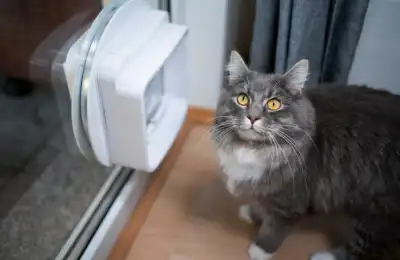
If you'd like to reduce how often your cat brings dead animals home, there are several practical steps worth trying. Stopping the behaviour entirely can be difficult, since you're working against a deeply wired instinct, but you can certainly minimise it over time.
- Fit your cat with a bell collar. A bell gives wildlife a little more warning and can reduce your cat's hunting success, without causing them distress.
- Keep your cat indoors during peak hunting times. Dawn and dusk are when prey is most active, so limiting outdoor access at these times can make a real difference.
- Increase indoor stimulation. Regular interactive play sessions help satisfy the hunting drive before your cat heads outside looking for real prey.
- Consider a brightly coloured collar. Research suggests that bright colours, particularly in the spectrum that birds can detect, can alert prey and reduce successful catches.
- Provide a cat flap with a timer. Restricting outdoor access during certain hours gives you more control over when your cat is out and about.
None of these solutions are completely foolproof, especially with experienced hunters. But used consistently, they can significantly reduce how often you discover an unwelcome "gift" waiting for you.
Recommended for you!
Best Sellers






Study Feline Behaviour and Psychology for £29
Understanding why cats bring dead animals to you is just one small piece of the puzzle when it comes to decoding feline behaviour. Cats communicate, think, and experience the world in ways that are endlessly fascinating — and the more you understand the reasons behind their actions, the richer your relationship with your cat becomes.
If you'd like to explore this further, the Feline Behaviour and Psychology Diploma Course at Centre of Excellence is a brilliant place to start. This course dives into the psychological and behavioural patterns that shape your cat's actions, from their hunting instincts to their social dynamics and emotional lives, in a way that's accessible to complete beginners and seasoned cat owners alike. Right now, you can enrol for just £29!