Cakey cookies are one of the most common baking problems, especially with classic favourites like chocolate chip cookies. The good news is that this issue is rarely random.
Once you understand what makes cookies cakey, it becomes much easier to spot what went wrong and how to fix it next time. Even better, many of the solutions are simple adjustments that don’t require starting from scratch.
What’s in This Guide?
This guide breaks down the most common reasons cookies come out cakey, explains the difference between cakey vs chewy cookies, and shows you exactly how to make cookies less cakey in future. Whether your cookies turned out cakey once or it keeps happening every time you bake, you’ll find clear, practical answers here.
Jump to:
- What Makes Cookies Cakey?
- Cakey vs Chewy Cookies
- Why Do My Cookies Come Out Cakey?
- Sugar Choices and Cookie Texture
- How to Make Cookies Less Cakey Before Baking
- How to Fix Cakey Cookies After Baking
- How to Stop Cookies from Being Cakey in Future Bakes
- Frequently Asked Questions About Cakey Cookies
- Study Our Cake Baking and Decorating Diploma for £29
What Makes Cookies Cakey?
The texture of a cookie is shaped by a balance of ingredients, mixing methods, and baking choices. When that balance leans too far towards structure and lift, you end up with a soft, bread-like result instead of a dense, chewy cookie.
Cakey cookies usually have a lighter crumb, more air inside, and a texture closer to a muffin or sponge. This happens for a variety of reasons, which we’ll get into below.
Cakey vs Chewy Cookies
The difference between cakey and chewy cookies comes down to how much structure, moisture, and air is built into the dough. Cakey cookies contain more ingredients that encourage lift and softness, such as extra flour, eggs, or baking powder, which causes them to rise and set with a light, sponge-like crumb.
Chewy cookies, on the other hand, rely on moisture and density, using more brown sugar, fat, and often baking soda to help the dough spread and stay rich and dense. Where cakey cookies feel fluffy and bread-like, chewy cookies have a softer bite with a slight resistance, making them feel richer and more indulgent.
Why Do My Cookies Come Out Cakey?
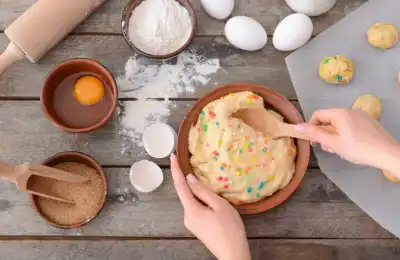
When cookies come out cakey, not chewy, there are usually clear reasons behind it. These are the most common ones:
1. You Used Too Much Flour
One of the main reasons cookies come out cakey is simply using too much flour. This often happens when flour is scooped straight from the bag rather than spooned into the measuring cup, which packs it down and adds more than the recipe intended.
Extra flour absorbs moisture and gives the dough more structure, which pushes cookies towards a cake-like texture. When this happens, you may notice:
- A lighter, bread-like crumb
- Cookies that hold their shape rather than spreading
- A dry or fluffy bite instead of a chewy one
- Cookies that taste more like sponge than biscuit
Even a small amount of extra flour can be enough to make cookies too cakey.
2. Too Many Eggs or the Wrong Egg Balance
Eggs play a big role in cookie texture, and using too many can quickly lead to cakey cookies. Whole eggs add moisture and structure, and when there’s too much egg in the dough, cookies tend to puff up rather than spread.
This is especially noticeable in cakey chocolate chip cookies. Many chewy cookie recipes use fewer eggs or add an extra yolk instead of a whole egg, as egg whites contribute more to structure.
3. The Dough Was Overmixed
Mixing has a big impact on texture. When cookie dough is mixed too much after the flour is added, gluten begins to develop. This gives the dough strength and structure, which is exactly what you want in bread or cake, but not in cookies. Overmixed dough often leads to cookies that:
- Rise more in the oven
- Feel soft and airy inside
- Taste cakey rather than dense and rich
For cookies, mixing should stop as soon as the ingredients are combined. A slightly rough dough is far better than an overworked one.
4. Too Much Leavening Was Used
Leavening agents like baking powder and baking soda help cookies rise, but using too much can easily cause cookies to become cakey. Baking powder, in particular, creates extra lift and air, which is why many people wonder whether baking powder makes cookies more cakey. In most cases, it does.
When cookies rise too much, they set before they have time to spread, resulting in a thicker, softer texture. This is a common reason cookies always turn out cakey, even when the flavour is good.
5. The Butter Was Too Soft or Creamed Too Much
Butter temperature and mixing method also matter. When butter is very soft and heavily creamed with sugar, it traps a lot of air. That air expands in the oven, causing cookies to puff up and take on a cake-like crumb.
While creaming butter is normal, overdoing it can push the dough too far in the direction of cake. This often results in cookies that look thick and soft but lack that satisfying chew.
6. The Dough Was Too Dry to Spread
Cookies rely on spreading in the oven to achieve a chewy texture, and if the dough is too dry or stiff, it won’t spread properly. This can happen when there’s too much flour, not enough fat, or when the dough is very cold and dense.
When cookies don’t spread, they bake upwards instead, creating height and airiness rather than chew. This is another key reason cookies come out cakey instead of soft and dense.
Sugar Choices and Cookie Texture
As well as being a sweetener, sugar affects moisture, spread, and texture. White sugar helps cookies spread and crisp slightly, while brown sugar contains molasses, which adds moisture and chewiness. If your cookies are too cakey, using more brown sugar and less white sugar can help create a softer, chewier bite.
Recipes that rely heavily on white sugar and less fat or moisture often bake up drier and more cake-like.
How to Make Cookies Less Cakey Before Baking
If you notice your dough feels very thick or dry before baking, there are a few adjustments you can make. To make cookies less cakey, you can:
- Add a tablespoon or two of milk or melted butter to loosen the dough
- Reduce the flour slightly if it feels stiff
- Avoid adding extra leavening agents
- Mix gently and stop as soon as the dough comes together
These small changes can help prevent cookies from being too cakey before they ever reach the oven.
How to Fix Cakey Cookies After Baking
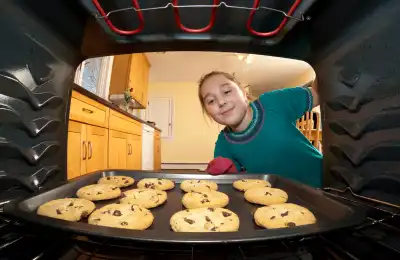
If your cookies are already baked and you’re wondering what to do with cakey cookies, don’t worry – they don’t have to go to waste.
Cakey cookies can be softened by storing them with a slice of bread in an airtight container. The cookies absorb moisture from the bread, improving their texture over time. You can also repurpose them by crumbling them into dessert jars, using them as a base for cheesecake, or turning them into ice cream sandwiches where the filling adds moisture and richness.
While this doesn’t change the original bake, it does help you get more enjoyment out of cakey cookies.
How to Stop Cookies from Being Cakey in Future Bakes
Prevention is always easier than trying to fix cookies once they’ve cooled on the tray. If your cookies keep coming out cakey, a few small changes to how you prepare and bake them can make a noticeable difference to both texture and flavour.
- Measure flour carefully: Too much flour is one of the most common reasons cookies turn out cakey. Always spoon flour into your measuring cup and level it off, rather than scooping straight from the bag. This helps prevent adding excess flour that can dry out the dough and give cookies a cake-like crumb.
- Use the right egg balance: Eggs add moisture and structure, but too much egg can push cookies towards a cakey texture. Stick closely to the recipe, and avoid adding an extra egg unless it’s specifically designed for chewy cookies. Some recipes use an extra yolk instead of a whole egg to add richness without creating too much lift.
- Avoid overmixing the dough: Once the flour is added, mix gently and stop as soon as everything is combined. Overmixing develops gluten, which gives cookies more structure and makes them bake up soft and fluffy rather than dense and chewy.
- Choose leavening carefully: Baking powder creates more rise than baking soda and can easily make cookies more cakey. If your cookies puff up too much and don’t spread, check whether baking powder is necessary or if baking soda would give a better result.
- Pay attention to butter temperature: Very soft butter that’s creamed for too long can trap excess air, leading to cookies that rise and turn cakey in the oven. Butter should be soft enough to mix but not melting or oily, and creaming should be brief rather than vigorous.
- Bake at the correct temperature for your oven: An oven that runs too hot can cause cookies to set too quickly, stopping them from spreading and encouraging a cakey texture. Baking at the correct temperature allows the cookies to spread properly before the structure sets, helping create a chewier result.
Frequently Asked Questions About Cakey Cookies
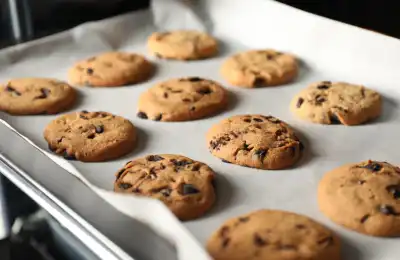
Why Are My Cookies Cakey Even When I Follow the Recipe?
Even when you follow a recipe closely, small variations in ingredients can affect the final texture. Differences in flour brands, egg sizes, or how ingredients are measured can all make cookies more cakey than expected. Technique also matters, as overmixing or creaming butter too much can change the structure of the dough.
Are Cakey Cookies Still Edible?
Cookies that are too cakey are still perfectly safe to eat, as the issue is almost always texture rather than flavour or food safety. Many cakey cookies can be softened or repurposed with simple storage tricks or creative serving ideas.
Does Baking Powder Make Cookies More Cakey?
Baking powder creates more lift and air in baked goods, which can cause cookies to puff up and become cakey. This extra rise is useful for cakes but often works against a chewy cookie texture. If your cookies are too cakey, switching to baking soda or reducing the amount of baking powder can help.
Does Refrigerating Cookie Dough Make It Chewier?
Refrigerating cookie dough gives the flour time to hydrate and allows the fats to firm up. This results in better flavour development and a slightly denser, chewier texture. Chilling the dough also helps control spreading in the oven, which can prevent cookies from turning cakey.
Recommended for you!
Best Sellers






Study Our Cake Baking and Decorating Diploma for £29
Once you understand what makes a cookie taste cakey, you’ll feel more confident tweaking recipes and spotting where things went wrong.
If you’re passionate about baking or want to develop your skills further, our Cake Baking and Decorating Diploma Course is a fantastic next step. It’s designed to suit all levels – whether you’re just starting or looking to master advanced techniques. And right now, you can enrol for just £29.