There are few things more frustrating than taking a cake out of the oven, excited to taste it, only to find it has an unpleasant eggy flavour or smell. You followed the recipe, measured carefully, and baked it just right – so why does your cake taste eggy?
Eggy cakes are a common baking issue, especially with sponge cakes, chiffon cakes, and lighter bakes where eggs play a starring role. The good news is that an eggy cake isn’t a mystery, and it’s usually easy to fix once you understand what’s going on.
What's in This Guide?
This guide walks you through the most common reasons cakes develop an eggy taste or smell, how to prevent it in future, and what you can do if your cake is already baked and tasting a little too much like breakfast.
Jump to:
- Why Eggs Matter in Cake Baking
- Why Does My Cake Taste Eggy?
- Why Does My Cake Smell Eggy After Baking?
- How to Make Cake Batter Less Eggy Before Baking
- How to Fix Too Much Egg in Cake Batter
- How to Remove Eggy Taste from a Cake After Baking
- How to Prevent Eggy Cake in Future Bakes
- Frequently Asked Questions About Eggy Cake
- Study Our Cake Baking and Decorating Diploma for £29
Why Eggs Matter in Cake Baking
However, because eggs have such a strong presence, they can easily overpower a cake if the balance is off. When this happens, you may notice an eggy taste in cake, an eggy smell after baking, or a sponge that feels rubbery rather than soft and light.
Understanding how eggs behave in cake batter makes it much easier to spot where things might have gone wrong.
Why Does My Cake Taste Eggy?
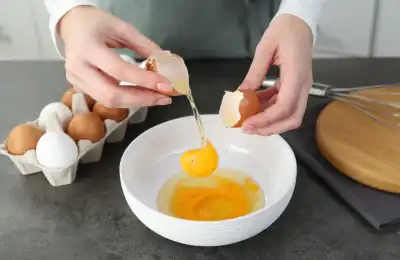
1. You Added too Many Eggs
One of the most common reasons for an eggy cake is simply using too many eggs. This often happens when recipes are adjusted without recalculating properly, or when egg sizes vary more than expected.
Large eggs in the UK can differ slightly in weight, and adding an extra one “just in case” can quickly lead to problems. Too much egg in cake batter can cause:
- A strong eggy flavour
- A sulphur-like eggy smell
- A dense or rubbery texture
- A cake that feels damp but heavy
2. The Eggs Were Too Cold
Using eggs straight from the fridge can also contribute to an eggy taste in cake. Cold eggs don’t blend as smoothly into the batter, which can lead to uneven mixing. When this happens, pockets of egg may remain more concentrated in certain areas of the cake.
This uneven distribution can cause parts of the cake to taste eggier than others and may also affect texture. Cold eggs can prevent butter from creaming properly and stop the batter from emulsifying as it should. By the time the cake is baked, these small issues can show up as an eggy sponge cake with a slightly odd mouthfeel.
Allowing eggs to come to room temperature before baking helps them mix more evenly and reduces the risk of an overpowering egg flavour.
3. The Batter Wasn’t Mixed Properly
Mixing plays a bigger role than many people realise. If the batter isn’t mixed properly, the eggs may not be fully incorporated with the fat and sugar. This can leave streaks or pockets of egg that bake unevenly and taste stronger once cooked.
Under-mixing can cause inconsistent flavour, while over-mixing can change the structure of the cake altogether. Both can contribute to a cake that tastes eggy or has an unpleasant texture. If your sponge cake tastes eggy even though you followed the recipe, mixing technique is often the answer.
The goal is a smooth, well-combined batter where the eggs are fully blended without being beaten excessively.
4. The Eggs Didn’t Fully Cook During Baking
An eggy taste can also be a sign that the cake wasn’t baked quite long enough. Even if the outside looks done, the centre may still be slightly undercooked, especially in deeper or denser cakes.
When eggs aren’t fully cooked, their flavour is much more noticeable. This can leave your cake with an eggy taste, even though it seems baked on the surface. Underbaking can also cause an eggy smell that lingers as the cake cools.
Checking doneness properly is important – a skewer inserted into the centre should come out clean or with a few dry crumbs, not wet batter. Giving the cake a little extra time can often prevent that raw egg taste.
5. The Cake Was Overbaked
While underbaking can cause eggy flavours, overbaking can do the same in a different way. When a cake is baked for too long, moisture evaporates and flavours become more concentrated, which can make the egg flavour far stronger than intended.
Overbaking can also dry out the cake, leaving it firm or rubbery, which often goes hand in hand with an eggy aftertaste. If you’ve noticed your cake smells eggy and tastes dry, overbaking may be the reason.
Keeping a close eye on baking time and temperature helps prevent flavours from becoming too intense and ensures a more balanced result.
Why Does My Cake Smell Eggy After Baking?
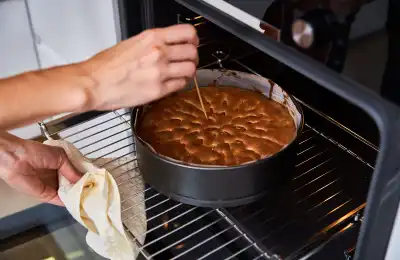
If your cake smells eggy when it comes out of the oven, this usually comes from sulphur compounds found naturally in eggs, which become more noticeable when heated. In many cases, if the cake tastes fine, the eggy smell will fade as it cools and the flavours settle.
However, if the smell lingers, it can be a sign that something was slightly out of balance. Using too many eggs, baking with eggs that weren’t completely fresh, or uneven baking that leaves parts of the cake undercooked can all intensify that eggy aroma.
A lack of flavourings such as vanilla, citrus zest, or gentle spices can also leave the egg smell more exposed, as there’s nothing to soften or mask it. In this way, the smell is often your first clue that the egg balance in the cake may need adjusting next time.
How to Make Cake Batter Less Eggy Before Baking
If you’ve tasted your batter and it already seems too eggy, don’t panic. There are ways to fix it before it goes into the oven. To make cake batter less eggy, you can:
- Add a little extra sugar to balance the flavour.
- Stir in vanilla extract, citrus zest, or spices.
- Add a splash of milk or yoghurt to soften the egg flavour.
- Double-check that your egg-to-flour ratio makes sense.
Knowing how to make cake batter less eggy can save a bake before it’s too late.
How to Fix Too Much Egg in Cake Batter
If you realise you’ve added too many eggs, it’s best to act quickly, as how you fix the problem depends on how far along you are in the baking process.
In some cases, you can balance the batter by increasing the rest of the ingredients proportionally, making sure the flour, sugar, and fat match the extra egg. If that feels like too much guesswork, adding small amounts of flour, sugar, and butter or oil can help absorb the excess egg and soften the flavour.
Another option is to split the batter between two tins and adjust the baking times, which can prevent the cake from becoming dense or overly eggy. These approaches are especially useful if you’re worried your cake batter tastes too eggy before it goes into the oven.
How to Remove Eggy Taste from a Cake After Baking
Once a cake is baked, you can’t remove the eggs themselves, but you can soften and balance the flavour. An eggy taste or smell doesn’t mean the cake is beyond saving, and there are several simple ways to improve it.
Brushing the sponge with a lightly flavoured sugar syrup, such as vanilla or citrus, can add moisture and gently mask the egg flavour. A generous layer of buttercream or ganache also helps, as richer toppings tend to mellow stronger tastes.
Filling the cake with fruit, jam, or curd introduces freshness and sweetness that shifts the focus away from the eggs. Even serving slices with custard, cream, or ice cream can make a noticeable difference.
How to Prevent Eggy Cake in Future Bakes

Prevention is always easier than fixing a cake once it’s out of the oven. If you want to avoid eggy-tasting bakes, a few small habits can make a noticeable difference to both flavour and texture.
- Use room-temperature eggs: Eggs that are at room temperature mix more smoothly into the batter, helping everything emulsify properly. This even distribution reduces the risk of pockets of egg that can lead to an eggy taste or smell once baked.
- Measure eggs by weight where possible: Egg sizes can vary more than recipes suggest, even when labelled the same. Weighing eggs helps you stick to the intended balance of ingredients and avoids accidentally adding too much egg to the mixture.
- Stick closely to tested recipes: Baking is precise, and changing ingredient quantities without adjusting the whole recipe can easily throw off the balance. Following a well-tested recipe reduces the chance of an egg-heavy batter.
- Add flavourings that complement eggs: Ingredients like vanilla extract, citrus zest, spices, or cocoa help round out flavours and stop eggs from dominating. Even simple cakes benefit from a small amount of added flavour.
- Bake at the correct temperature for your oven: An oven that’s too hot or too cool can affect how eggs cook within the cake. Baking at the right temperature helps the structure set evenly and prevents egg flavours from becoming too strong.
Frequently Asked Questions About Eggy Cake
Is an Eggy Cake Still Safe to Eat?
An eggy cake is usually safe to eat as long as it has been baked properly. The problem is almost always flavour rather than food safety, and many eggy cakes can be improved with fillings, frostings, or serving sauces.
Can Too Many Eggs Ruin a Cake?
Too many eggs can ruin a cake by overpowering the flavour and affecting the texture. An excess of eggs often leads to a dense, rubbery crumb and a strong eggy taste or smell.
Why Does My Cake Taste Eggy Even When I Followed the Recipe?
Even when a recipe is followed exactly, a cake can taste eggy due to technique, oven temperature, and ingredient quality. Cold eggs, uneven mixing, or slight differences in egg size can all change the final flavour.
Why Does Chiffon Cake Taste Eggy?
Chiffon cakes use a high number of eggs, which makes them more sensitive to small errors. If the yolks aren’t mixed thoroughly, the whites are over- or underwhipped, or the cake bakes unevenly, the egg flavour can easily dominate.
Why Does My Cake Taste Fine Warm but Eggy Once Cooled?
As a cake cools, flavours settle and become more pronounced, which can make the egg flavour stand out more. This often happens when the mixture contains slightly too much egg or lacks enough flavouring to balance it.
Can an Eggy Cake Be Fixed After Baking?
While you can’t remove the eggs, you can soften the flavour after baking. Fillings, frostings, syrups, or serving the cake with cream or fruit can help balance the taste and make the cake far more enjoyable.
Recommended for you!
Best Sellers







Study Our Cake Baking and Decorating Diploma for £29
Once you understand what makes a cake taste eggy, you’ll feel more confident tweaking recipes and spotting where things went wrong.
If you’re passionate about baking or want to develop your skills further, our Cake Baking and Decorating Diploma Course is a fantastic next step. It’s designed to suit all levels – whether you’re just starting or looking to master advanced techniques. And right now, you can enrol for just £29.