It can be a bit unsettling to watch your beloved pet hunt and eat a creepy-crawly creature, especially if you’re unsure whether it’s safe. But rest assured, this behaviour is surprisingly common and, in most cases, perfectly normal.
This blog post explores why cats are so fascinated by spiders and what it might say about their instincts and behaviour. You’ll also learn if eating spiders poses any risks and what you can do to keep your cat safe while still allowing them to express their natural curiosity.
Jump to:
- Why Do Cats Eat Spiders?
- Why Do Cats Like to Kill Spiders?
- Can Cats Kill Spiders Easily?
- Is It Okay to Let Cats Eat Spiders?
- Are Spiders a Danger to Cats?
- Can Cats Get Sick from Killing or Eating Spiders?
- Why Does My Cat Like Eating Spider Webs?
- Why Do Cats Eat Bugs Too?
- Common Questions
- Study Feline Behaviour and Psychology for £29
Why Do Cats Eat Spiders?
Cats are natural hunters. Even the most pampered indoor cat still carries the instincts of their wild ancestors. When a spider scurries across the floor or dangles from a web, it instantly triggers a cat’s predatory drive. The quick, jerky movements of spiders make them irresistible prey.
To your cat, chasing a spider is an exciting game and normal feline behaviour. It’s a moving target that’s unpredictable and fun to catch. Once caught, curiosity often takes over, and tasting or eating the spider becomes part of exploring what they’ve just captured.
So, when your cat eats a spider, it’s not because they’re hungry or craving protein. It’s simply a playful, instinctive response to something that moves like prey.
Why Do Cats Like to Kill Spiders?
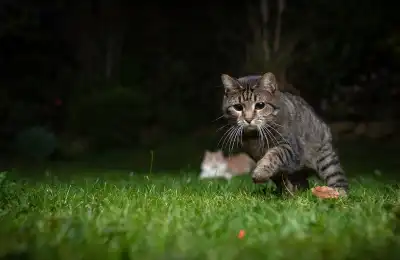
Even if your cat doesn’t eat the spider, they may still enjoy stalking and eventually killing it. This behaviour goes back to their wild roots. Cats are both predators and opportunistic hunters, meaning they don’t always hunt for food but for practice and stimulation.
Killing a spider gives your cat a sense of achievement and mental engagement. It’s a way of sharpening their reflexes and satisfying their hunting instincts, even in a safe, domestic environment. It’s in their nature to chase, catch, and conquer anything that moves like prey.
Can Cats Kill Spiders Easily?
Cats are agile and have excellent eyesight, and their paw swats are quick enough to stun or kill most household spiders instantly. The average cat won’t hesitate to engage with something as small and slow-moving as a spider. But remember, just because your cat can kill spiders doesn’t necessarily mean it’s always safe or advisable to let them do so freely.
Is It Okay to Let Cats Eat Spiders?
It’s okay if your cat eats a spider occasionally, especially a common house spider. Most species are harmless, and your cat’s digestive system can handle small insects without trouble.
That said, there are some exceptions. Certain spiders, especially exotic or venomous ones, can cause irritation or mild reactions. While it’s rare in the UK, it’s wise to be cautious if you suspect your cat’s prey isn’t a typical house spider. If your cat shows signs of drooling, vomiting, and discomfort after eating one, contact your vet.
Are Spiders a Danger to Cats?
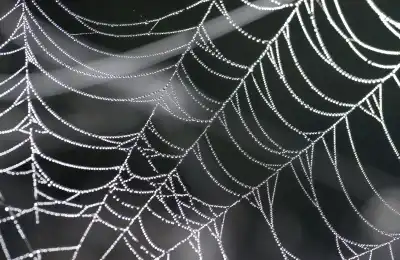
Most spiders found in homes are harmless to cats. Common UK house spiders don’t have venom strong enough to cause harm, even if bitten or eaten. However, a few species could pose a mild risk. The false widow spider, for instance, can deliver a bite that might irritate a cat’s mouth or cause swelling if ingested.
Still, serious cases are extremely uncommon. It’s more likely your cat will get a bit of an upset stomach or show no reaction at all.
Can Cats Get Sick from Killing or Eating Spiders?
While most cats are fine after eating or killing spiders, there’s always a small chance of a mild reaction. Some spider venoms, if injected or ingested, can irritate the digestive tract. In rare cases, your cat may vomit or act lethargic for a few hours.
If your cat eats a spider and later seems unwell, keep a close eye on them. Provide water and let them rest. If symptoms worsen or persist, a quick call to the vet is best. Cats can get sick from killing spiders only if the spider was venomous or contaminated with chemicals, such as pesticides.
Why Does My Cat Like Eating Spider Webs?
This one surprises many cat owners. Spider webs are made of proteins and can contain traces of insects or moisture, which may make them appealing. To a cat, a web can also look like something fun to play with or chew.
If you’ve caught your cat snacking on spider webs, it’s probably because they’re exploring textures or mimicking hunting behaviour. Some cats who do this may have pica, a condition in which they chew on things that aren't edible. Spider webs aren’t harmful in small amounts, but they can collect dust or toxins from the environment, so it’s best to discourage this habit by keeping corners and ceilings clean.
Why Do Cats Eat Bugs Too?
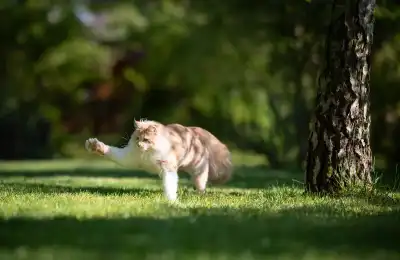
Cats don’t stop at spiders – they often chase flies, moths, beetles, and other small insects. Much like with spiders, it’s about instinct and entertainment, not hunger. Moving insects are stimulating and satisfying to catch, providing your cat with mental and physical exercise.
In most cases, cats can eat bugs safely. However, as with spiders, it’s best to be cautious about bugs exposed to pesticides or those known to sting or bite. Bees, wasps, and certain beetles can cause mouth irritation or allergic reactions if eaten.
Common Questions
Can Cats Eat Spiders in the UK?
British homes are full of harmless house spiders, especially in the colder months when they venture indoors. Most of these spiders pose no threat to cats at all, and many cats enjoy the opportunity for a spontaneous “hunt.” However, some imported or outdoor spiders can be mildly venomous. It’s rare, but it’s good to know what to look out for if you live in an area where less common species might appear.
Is It Bad If My Cat Eats a House Spider?
It’s not usually bad if your cat eats a house spider. The common house spiders in the UK are non-toxic and too small to cause harm. Your cat might find the experience more interesting than tasty, but it’s unlikely to do any damage. If you notice any signs of discomfort, such as pawing at the mouth or drooling, it’s always worth keeping watch. But rest assured, eating a spider now and then is usually harmless.
Do Spiders Avoid Houses with Cats?
You might hope your cat’s presence deters spiders, but unfortunately, there’s no evidence that spiders avoid houses with cats. While a hunting cat might keep spider numbers lower by catching them, spiders don’t have the awareness to connect the presence of a cat with danger. So, while your cat may serve as a natural pest controller, don’t expect them to completely rid your home of spiders.
Do Cats and Spiders Get Along?
Cats and spiders are natural opposites in the animal world; one is the hunter, the other the prey. However, this relationship can be beneficial in your home. Your cat’s curiosity and hunting instinct can help control spider populations, while also giving your pet some enrichment and entertainment.
Recommended for you!
Best Sellers





Study Feline Behaviour and Psychology for £29
If you’ve ever been curious about why your cat acts the way they do, why not learn more about feline psychology? Our Feline Behaviour and Psychology Diploma Course offers in-depth insight into cat instincts, communication, and wellbeing. For a limited time, you can enrol for a discounted price of just £29!