Have you ever been fascinated by tales of mysterious creatures like Bigfoot, the Loch Ness Monster, or the Yeti? If so, you’ve brushed against the curious and controversial field of cryptozoology. But what does it really mean to be a cryptozoologist, and what exactly do these investigators of the unknown do?
Let’s explore the world of cryptozoology and find out what kind of people dedicate their time to studying creatures that may–or may not–exist.
Jump to:
- What is Cryptozoology?
- The Cryptozoologist Meaning
- What Are Cryptids?
- What Does a Cryptozoologist Do?
- What Do Cryptozoologists Study?
- Why Is Cryptozoology Controversial?
- What Skills Does a Cryptozoologist Need?
- What Qualifications Do You Need to Be a Cryptozoologist?
- Can Anyone Call Themselves a Cryptozoologist?
- A Cryptozoologist’s Salary
- What Tools Do Cryptozoologists Use?
- Who Is the Most Famous Cryptozoologist?
- How to Find a Cryptozoologist
- Ethical Considerations in Cryptozoology
- Why People Are Drawn to Cryptozoology
- Study Cryptozoology for £29
What is Cryptozoology?
The cryptozoology meaning comes from three Greek words: kryptos (hidden), zōion (animal), and logia (study). Put simply, it means “the study of hidden animals.”
Cryptozoology is the search for creatures known as cryptids. These are animals or beings that are said to exist based on stories, folklore, or sightings, but haven’t yet been proven by science. Famous cryptids include mysterious beings like sea serpents, lake monsters, ape-like humanoids, and even ancient species thought to be extinct.
While mainstream scientists often view the field as unconventional, cryptozoological research can overlap with zoology, anthropology, and folklore studies, blending science and cultural exploration.
The Cryptozoologist Meaning
A cryptozoologist (pronounced crip-toh-zoh-oh-lo-jist) is someone dedicated to studying creatures that exist in the space between folklore and biology. Cryptozoologists aim to bridge the gap between myth and science, using logical methods to explore the possibility of unknown species.
While some researchers approach cryptozoology from a scientific perspective, others focus on its cultural or psychological aspects, such as why people believe in certain creatures and how myths shape communities.
What Are Cryptids?
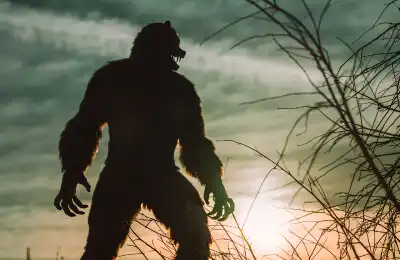
Cryptids are at the heart of cryptozoology. These creatures exist in that strange space between myth and reality. Some of the most well-known include Bigfoot, Mokele-Mbembe, and the Chupacabra.
Interestingly, some animals that were once considered cryptids, like the giant squid and the okapi, were later proven real. These discoveries encourage cryptozoologists to keep searching, believing that other hidden animals may also be out there.
What Does a Cryptozoologist Do?
So, what does a cryptozoologist do on a daily basis? The answer depends on their interests and approach. A cryptozoologist investigates and documents reports of cryptids. They might:
- Collect eyewitness accounts and analyse local legends.
- Visit reported sighting locations to search for evidence, such as footprints, fur, or sound recordings.
- Compare findings with known animal behaviours.
- Collaborate with biologists, zoologists, or cultural researchers to interpret discoveries.
A cryptozoologist acts as both a scientist and a detective, following clues and trying to make sense of extraordinary claims.
What Do Cryptozoologists Study?
A cryptozoologist studies reports and legends of animals that are thought to exist outside mainstream science. This might include:
- Land creatures (like Bigfoot or the Yowie)
- Water-dwelling creatures (like lake monsters or sea serpents)
- Flying cryptids (like the Mothman or Thunderbird)
- Extinct species rumoured to survive (like the Tasmanian tiger)
In studying these creatures, cryptozoologists also examine cultural traditions and environmental clues influencing sightings.
Why Is Cryptozoology Controversial?
The main reason behind cryptozoology’s controversy is evidence–or rather, the lack of it. Many in the scientific community view cryptozoology as pseudoscience because most cryptid evidence is anecdotal or unverifiable.
However, cryptozoologists argue that open-minded exploration is part of scientific discovery. After all, not every creature has been found, and new species are discovered each year.
What Skills Does a Cryptozoologist Need?

To succeed in cryptozoological research, a person needs a combination of curiosity and practical skills. Essential abilities include:
- Critical thinking – analysing evidence without bias.
- Observation skills – paying attention to fine details in tracks, environments, and patterns.
- Research and writing – documenting findings clearly and professionally.
- Open-mindedness – staying objective even when exploring extraordinary claims.
- Communication – working with local communities and sharing findings effectively.
Cryptozoologists also benefit from knowledge of zoology, ecology, geography, and anthropology.
What Qualifications Do You Need to Be a Cryptozoologist?
There isn’t a single cryptozoologist degree or official qualification required. However, many enthusiasts study related fields such as biology, zoology, environmental science, or anthropology to build a solid foundation.
Some universities may offer courses on folklore or cultural studies that complement cryptozoological interests. Online diplomas, like our Cryptozoology Diploma Course, are also a fantastic way to learn about the theories and history behind this fascinating subject.
Can Anyone Call Themselves a Cryptozoologist?
Since there’s no formal certification body, anyone can call themselves a cryptozoologist if they dedicate time and effort to studying or investigating cryptids. However, respected cryptozoologists usually back their research with credible documentation, consistent study, and scientific reasoning.
Like any field, reputation and method matter more than the title itself.
A Cryptozoologist’s Salary
Since cryptozoology isn’t a mainstream career, there isn’t a fixed cryptozoologist’s salary. Many enthusiasts fund their work through writing, media appearances, academic research, and online content. Those with scientific backgrounds may work in related fields such as wildlife conservation or zoology, using their expertise to support their passion projects.
What Tools Do Cryptozoologists Use?
A cryptozoologist might not have a secret lab full of monster-tracking gadgets, but they do use a variety of scientific and investigative tools, such as:
- Cameras and drones for collecting photographic evidence.
- Audio recorders to capture possible animal sounds.
- Plaster casts for making moulds of footprints.
- GPS systems and mapping tools to track sightings.
- Field guides and wildlife databases to compare with known species.
Modern cryptozoologists often share their research online, creating databases and videos that combine traditional investigation with modern technology.
Who Is the Most Famous Cryptozoologist?

When it comes to fame, Bernard Heuvelmans is widely regarded as the father of cryptozoology. His 1955 book On the Track of Unknown Animals helped define the field and inspired countless others to investigate mysterious creatures.
Other notable figures include Loren Coleman, founder of the International Cryptozoology Museum, and Ivan T. Sanderson, who brought cryptozoology to a wider audience through his writing and TV appearances.
Famous female cryptozoologists include researchers like Linda Godfrey and Heike Thoss, who have made significant contributions in documenting eyewitness accounts and exploring lesser-known myths.
How to Find a Cryptozoologist
If you’re interested in learning from or contacting one, you can find cryptozoologists through online research organisations or dedicated cryptozoology groups. Some run websites, podcasts, and YouTube channels sharing evidence and discussions.
Visiting a cryptozoology museum is another great option. There are a handful of cryptozoology museums around the world, most famously in Portland, Maine, where enthusiasts can explore exhibits and meet researchers.
Ethical Considerations in Cryptozoology
While searching for hidden creatures might sound harmless, there are ethical considerations of cryptozoology. Responsible cryptozoologists ensure they:
- Respect the environment, avoiding damage to habitats during fieldwork.
- Protect wildlife, ensuring any evidence collection is non-invasive.
- Respect local cultures, especially when investigating traditional beliefs or sacred sites.
- Maintain honesty, avoiding hoaxes or false claims that discredit the field.
Ethical practice helps the field gain respect and ensures investigations are conducted responsibly.
Why People Are Drawn to Cryptozoology
So why do people devote their time to a field that sits on the edge of science and myth? For many, it’s about curiosity and the desire to explore mysteries and understand the natural world. Cryptozoology combines adventure, imagination, and the thrill of discovery.
Recommended for you!
Best Sellers






Study Cryptozoology for £29
If this world of hidden creatures and legendary discoveries sparks your imagination, why not learn more? Our Cryptozoology Diploma Course offers a deep dive into the theories, history, cryptids, and techniques of cryptozoological research. If you follow the link today, you can enrol for a discounted price of just £29!