
Teaching your dog tricks can be a joyful and rewarding experience. It gives your dog mental stimulation and strengthens the bond you share. Among all the tricks you can teach, the play dead trick is one of the most entertaining.
Whether you want to keep training sessions fun or simply give your dog a challenge, this guide will show you exactly how to train your dog to play dead, with easy, actionable steps.
Jump to:
Recommended for you!
Best Sellers




Why Choose the “Play Dead” Trick?
Some people wonder why they should bother teaching their dog how to play dead when there are more common tricks like “sit” or “paw.” The answer is that dogs thrive on learning new things, and tricks like playing dead add a sense of novelty and fun. Teaching this trick also keeps your dog mentally engaged, especially on days when long walks aren’t possible. It helps to channel their natural intelligence into something constructive and strengthens the habit of listening to cues, which in turn supports obedience in other areas.
For nervous dogs, mastering a trick like this can also be a real confidence boost, giving them a sense of achievement and helping them feel more secure.
Preparing for Training

Before you begin teaching the play dead trick, a little preparation goes a long way. You’ll need:
- A quiet space: Choose somewhere calm without distractions so your dog can focus. A living room, garden, or quiet park corner works well.
- Comfortable flooring: A soft carpet or grass is ideal, because lying on hard surfaces may be uncomfortable.
- Tasty rewards: Chicken, cheese, or bite-sized dog snacks will keep your dog motivated.
- A clear cue word or gesture: Decide on your signal before you begin. Popular ones include “Bang!”, “Play Dead,” or even a hand gesture like pointing a finger like a pretend gun.
If your dog already knows how to lie down on command, you’ll find the process easier. If not, spend a few sessions teaching “down” first; it’s the foundation for everything that follows.
Step-by-Step: How to Teach a Dog to Play Dead
Step 1: Start with the “Down” Position
Ask your dog to lie down. Reward them immediately for following the command. Repeat until they are relaxed and confident in this position. The more natural “down” feels, the easier the transition to dog play dead will be.
Step 2: Guide Them Onto Their Side
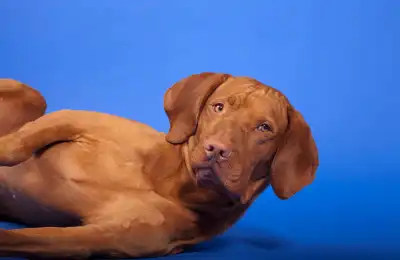
Hold a treat close to your dog’s nose and slowly move it towards their shoulder. As they follow the treat, they should roll slightly onto their side. The instant they do, reward and praise them warmly. Don’t worry if they don’t fully flop over at first; rewarding small steps will encourage progress.
Step 3: Build Duration
Once your dog reliably rolls onto their side, ask them to pause before rewarding. At first, wait just a second or two. Gradually increase the time they remain in the “dead” position before they receive their treat. This helps them understand that stillness is part of the trick.
Step 4: Introduce Your Cue
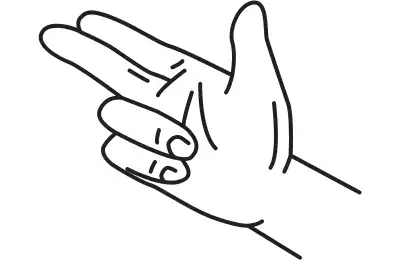
As your dog starts to anticipate the behaviour, introduce your chosen cue word. Say “Play Dead!” (or your chosen phrase) as you lure them into position. Over time, your dog will associate the cue with the action. You can also add a theatrical hand signal; many people like to use a finger-gun gesture for extra effect.
Step 5: Fade the Lure
Once your dog understands the link between your cue and the behaviour, start reducing your hand movements. Eventually, they’ll respond to the verbal cue or signal alone. This is when the trick really starts to impress.
How Long Does It Take for a Dog to Learn Play Dead?
Some quick learners might grasp it within a couple of training sessions, while others may take several weeks. The best approach is consistency. Aim for short, frequent training sessions: five to ten minutes at a time, once or twice a day. This prevents frustration and keeps your dog engaged. Remember, puppies often learn quickly but are easily distracted, while older dogs may learn steadily but more reliably.
Advanced Tips for Teaching the Play Dead Dog Trick
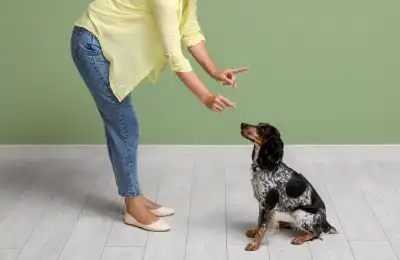
Once your dog has mastered the basics, you can refine the trick and make it even more impressive:
- Add dramatic flair: Encourage your dog to stay limp for a few seconds longer, creating a more convincing “dead” effect.
- Introduce distance: Once they’re reliable up close, try giving the cue from further away.
- Practice in different places: Start in a quiet space, then gradually add distractions, so your dog can perform the trick anywhere.
- Incorporate it into routines: Use “play dead” as part of a sequence with other tricks, such as rolling over or sitting up dramatically afterwards.
Safety Considerations
Always ensure your dog’s comfort and well-being throughout training. Train on a surface that’s safe for your dog to lie on, and avoid over-practising if your dog seems tired or stiff. If your dog has joint problems or mobility issues, check with your vet before teaching tricks that involve lying down or rolling over.
Training should always be fun, never stressful. If your dog seems frustrated or reluctant, take a break and return later. Ending on a positive note will keep them motivated for the next session.
Recommended for you!
Best SellersFrequently Asked Questions
Can all breeds learn the play dead dog trick?
Any breed can learn how to teach a dog to play dead, but some may take longer than others. Working breeds like Border Collies often pick up new tricks quickly, while more independent breeds may need extra patience and encouragement. The method remains the same; the main difference is how much repetition and motivation each dog requires.
Is there a best age to teach a dog to play dead?
Dogs of any age can learn the play dead trick. Puppies are often quick learners because they are curious and adaptable, but they may get distracted easily, so shorter sessions work best. Older dogs might take longer, but their calmer temperament can actually make them more focused learners. The only thing to consider is physical comfort; very young puppies and senior dogs should always train on soft surfaces to avoid strain.
How many times a day should I practice?
Little and often is the key to effective training. Practising once or twice a day for five minutes is more effective than a single long session. Short, positive sessions keep your dog excited about training and reduce frustration.
Can I teach my dog to play dead without using food?
Food rewards are the most common method because they are easy to deliver and motivating. However, some dogs respond better to toys or affection. If your dog loves playtime, throw their favourite ball after they complete the trick, or if they enjoy fuss, a cuddle or enthusiastic praise can also work.
What if my dog gets frustrated during training?
Frustration can happen if progress feels too slow. If your dog starts showing signs of stress, such as whining, turning away, or losing interest, end the session on a positive note with a simple command they know well, like “sit.” Reward them, and then return to practising when they’re in a better mood.
Can “play dead” be used in practical ways?
Although the trick is mostly for fun, it can have practical uses. For example, teaching your dog to stay still on their side can be useful during vet visits, grooming, and health checks, as it encourages calm behaviour when handled. It’s a fun trick that can also double as a helpful life skill.
Study Our Dog Training Diploma for £29
If you’ve enjoyed discovering how to train your dog to play dead, you’ll love diving deeper into the world of dog training. At Centre of Excellence, we offer a Dog Training Diploma Course designed to help you understand your dog better and develop effective, positive training skills.
Right now, you can access the course for just £29. Take the next step and turn every training session into a rewarding experience for both you and your dog.




