The Othala rune is closely tied to heritage, home, and inherited wealth within the Elder Futhark, representing what's passed down through generations rather than earned in a single lifetime. If you've come across this rune, whether through study, a reading, or a tattoo design, this guide covers what it represents and how to approach it thoughtfully.
What's in this Guide?
This guide explains what the Othala rune means, its origins and symbolism, and how to interpret it upright and reversed. You'll also find honest guidance on the rune's more recent history and how it's viewed today.
Jump to:
What Does the Othala Rune Mean?
Othala represents heritage, ancestral home, and inherited wealth, whether that's property, family values, or a sense of belonging passed down through generations. It's the final rune of the Elder Futhark, closing out the alphabet with a symbol tied to legacy and roots.
When Othala appears, it generally points to matters of family, home, and long-term security. It can suggest a strong connection to where you come from, an inheritance in either a material or emotional sense, or a reminder that some forms of wealth take generations to build rather than a single lifetime.
Othala Rune Origin and Symbolism
The name Othala derives from an old Germanic word associated with ancestral property, and the rune is sometimes written as Odal or Ethel in different historical sources. Its shape, a diamond sitting atop two diagonal legs, is often read as a stylised representation of an enclosed piece of land or a family homestead, tying directly into its meaning of inherited property and belonging.
Within the structure of the Elder Futhark, Othala belongs to Tyr's Aett, the third and final group of eight runes, associated with justice, humanity, and completion. As the very last rune in the sequence, Othala is often seen as representing a kind of culmination, the accumulated wisdom and legacy built by everything that came before it.
Is Othala a Powerful Rune?
Othala is considered a particularly powerful rune, particularly in matters of family, home, and long-term security. Its power lies less in dramatic transformation and more in stability, representing the kind of quiet strength that comes from strong roots and a clear sense of where you belong.
Because of this, Othala is often drawn upon for questions relating to property, inheritance, or a sense of identity tied to family and heritage, rather than fast-moving or immediate concerns.
Othala Reversed (Merkstave) Meaning
When Othala appears reversed, sometimes called its merkstave position, the rune's usual connection to heritage and home can become disrupted. It may suggest family conflict, a loss of connection to your roots, or difficulty with matters relating to property or inheritance.
Rather than predicting an entirely negative outcome, the reversed Othala is often read as a prompt to examine your relationship with your own background, addressing unresolved family tension or reconnecting with a sense of belonging that's become strained.
Othala in Readings

When used in a broader reading alongside other runes, Othala tends to bring themes of family, home, and long-term stability to whatever it's paired with. In a love reading, it can suggest a relationship with strong family involvement or shared values around home and belonging. In a career or money reading, it often points to property, inheritance, or long-term financial security rather than a quick financial gain.
As a daily draw, Othala is frequently interpreted as a nudge to appreciate your roots, whether that's your literal family, your home, or the values you've inherited from the people who came before you.
How to Use the Othala Rune
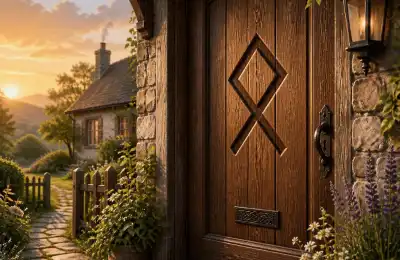
Othala is often used in bind runes and rituals focused on home, family, and abundance, given its strong association with inherited security. Some practitioners use it specifically in charms or symbols intended to bless a new home or protect a family's long-term wellbeing.
As with any rune, Othala is sometimes combined with others, such as Fehu for wealth or Algiz for protection, to create a bind rune with a more specific intention. It's worth researching any additional runes you're combining Othala with, since the overall meaning shifts depending on the combination.
Is the Othala Rune Controversial?
This is an important question to address honestly, and the answer is more nuanced than for most other runes. Othala itself is an ancient symbol with a legitimate meaning tied to heritage, home, and family, used long before the modern era. However, unlike most other runes, Othala has a more documented history of misuse: it was used as an emblem by certain divisions during the Nazi era, and it continues to be used today by some extremist groups seeking to attach themselves to a distorted idea of ancestral heritage.
Because of this specific history, Othala is treated with more caution than many other runes, and some platforms and organisations restrict its use for this reason. This doesn't mean the symbol is inherently hateful, or that everyone using it holds extremist views; the majority of people drawn to Othala are genuinely interested in Norse history, heritage, and family symbolism, with no connection to that history at all. That said, if you're considering using Othala publicly, such as in a tattoo, it's worth being aware of this context and prepared for the fact that it may be misread by people unfamiliar with its original meaning.
Recommended for you!
Best Sellers

Frequently Asked Questions
Is It Okay to Get an Othala Tattoo?
This depends on your own comfort with the rune's more complicated recent history. Othala carries a genuine, positive meaning tied to heritage and family, but because of its association with certain extremist groups, it's worth being prepared for the possibility that others may misunderstand your intent.
What Deity Is Associated With Othala?
Othala isn't tied to a specific god in Norse mythology, though its themes of home, land, and inheritance connect it loosely to broader ideas of ancestral protection found throughout Norse belief.
How Do You Pronounce Othala?
Othala is generally pronounced "OH-thah-lah," though you may also see it written and pronounced as "Odal" or "Ethel" in some historical sources.
What's the Difference Between Othala and Fehu?
Othala represents inherited wealth and heritage passed down through generations, while Fehu represents wealth earned or gained directly, such as through work or livestock. Both relate to prosperity, but from very different sources.
Is Othala Banned Anywhere?
Some social media platforms and organisations have placed restrictions on Othala due to its use by certain extremist groups, though it isn't broadly illegal in most countries in the way some other symbols are.
What's the Difference Between Othala and Algiz?
Othala represents heritage, home, and inheritance, while Algiz represents protection and defence. The two are sometimes paired in bind runes intended to protect a family home or inherited legacy.
Study Norse Mythology for £29
If Othala has sparked a deeper interest in the runes and the mythology behind them, our Norse Mythology Diploma Course is the perfect next step. You'll explore the gods, myths, and symbolism of the Norse world in far more depth, and for a limited time, you can enrol for just £29.