
Norse runes are far more than an ancient alphabet: each symbol carries its own distinct meaning, used historically for writing, divination, and protection. If you're trying to understand what the Norse runes mean, how many there are, or which one might be right for a tattoo, this guide covers the full Elder Futhark in depth.
What's in this Guide?
This guide explains what Norse runes are, breaks down the meaning of all 24 Elder Futhark runes, and covers how they're used for protection, tattoos, and divination. You'll also find guidance on the difference between the Elder and Younger Futhark.
Jump to:
What Are Norse Runes?
The Norse runes, properly known as the Elder Futhark, are an ancient runic alphabet used by Germanic and Scandinavian peoples from around the 2nd century onwards. Unlike the Latin alphabet, each rune carries a meaning of its own, tied to concepts like wealth, protection, or fate, alongside its function as a letter.
The runes are closely tied to Odin in Norse mythology, who, according to legend, hung himself from the world tree Yggdrasil for nine days and nights to gain the wisdom of the runes. This origin story is a big part of why runes are seen as more than a writing system, treated instead as a source of genuine wisdom and divine insight.
The Three Aetts: How the Runes Are Grouped
The 24 runes of the Elder Futhark are traditionally divided into three groups of eight, known as aetts, each named after a Norse god or figure associated with that set.
- Freyr's Aett – the first eight runes, associated with growth, abundance, and the physical world.
- Hagal's Aett – the second eight runes, associated with challenge, disruption, and transformation.
- Tyr's Aett – the third eight runes, associated with justice, humanity, and spiritual completion.
This structure isn't just decorative. Many rune readers use the aetts to understand the general theme a rune belongs to before interpreting its more specific meaning.
The 24 Elder Futhark Runes and Their Meanings
Here's a breakdown of all 24 runes and what each one represents.
Fehu
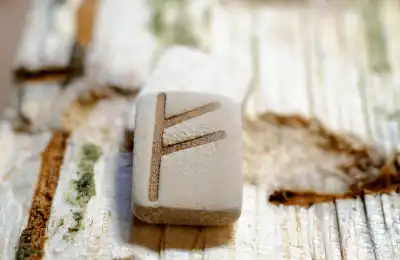
Fehu represents wealth, abundance, and prosperity, often specifically tied to cattle, which was a primary measure of wealth in Norse society. It's considered a positive rune associated with financial security and the rewards of hard work.
Uruz
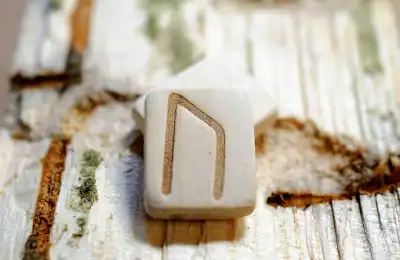
Uruz represents raw strength, vitality, and untamed power, symbolised by the wild ox. It's often drawn upon for physical endurance, willpower, and pushing through challenges with sheer determination.
Thurisaz
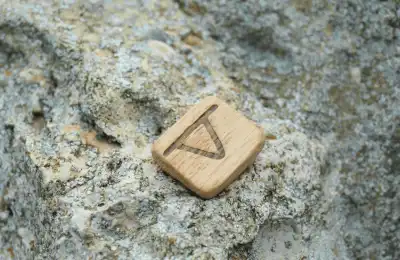
Thurisaz is associated with Thor and represents protection through force, conflict, and necessary confrontation. It's considered a challenging rune, one that can indicate hardship, but also protection against real danger.
Ansuz
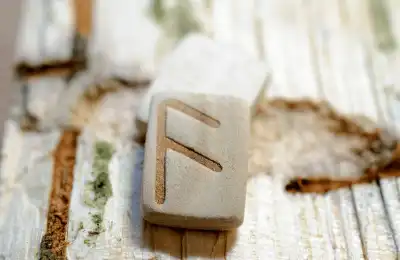
Ansuz is Odin's rune, tied to communication, wisdom, and divine inspiration. It represents the power of words and breath, often associated with insight gained through learning or genuine wisdom.
Raidho
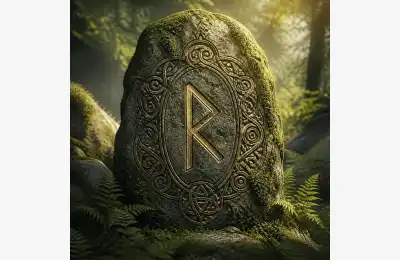
Raidho represents a journey, movement, and finding the right path forward. It's often drawn during periods of change, symbolising forward motion and the idea that the journey itself has purpose.
Kenaz
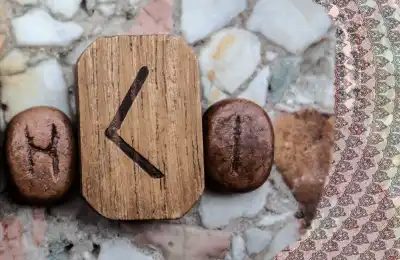
Kenaz, sometimes called the torch rune, represents knowledge, creativity, and illumination. It's associated with the kind of insight that comes from skill and craft, lighting the way through uncertainty.
Gebo
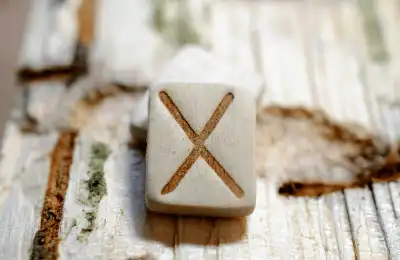
Gebo represents gifts, generosity, and exchange, reflecting the importance of reciprocity in Norse culture. It's often associated with love, partnership, and the balance created when giving and receiving are equally valued.
Wunjo
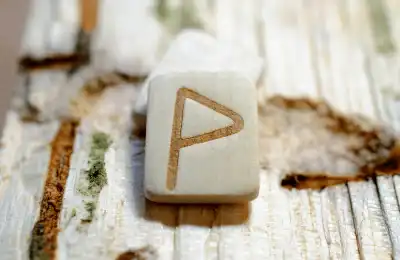
Wunjo represents joy, harmony, and fellowship. It's considered one of the most straightforwardly positive runes, associated with contentment, celebration, and a sense of belonging.
Hagalaz
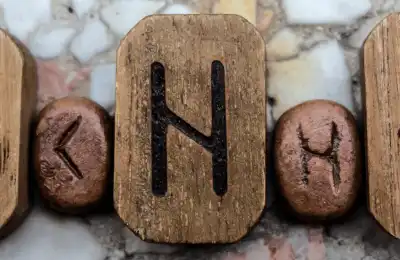
Hagalaz, meaning hail, represents disruption and uncontrollable natural forces. Rather than being purely negative, it's often read as necessary destruction, the kind of upheaval that clears the way for something new.
Nauthiz
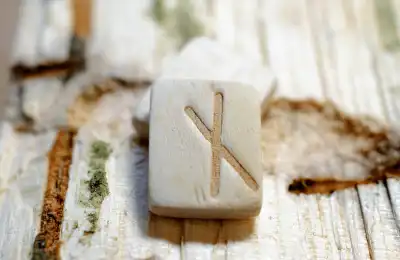
Nauthiz represents need, constraint, and resilience through hardship. It's associated with the strength that comes from enduring difficult circumstances rather than avoiding them.
Isa
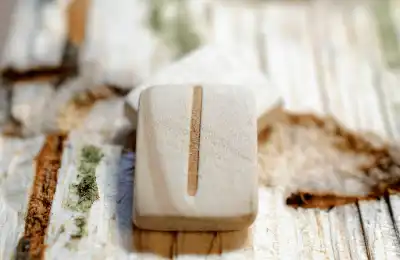
Isa, meaning ice, represents stillness, pause, and a period where action isn't yet possible. It's often interpreted as a sign to wait patiently rather than force progress before the time is right.
Jera
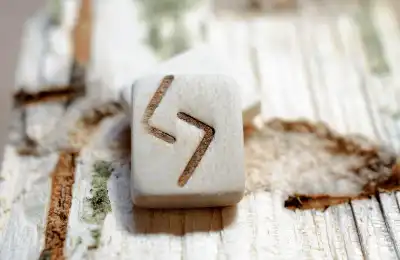
Jera represents the harvest and the turning of the year, symbolising reward for patience and the natural cycles of growth. It's a hopeful rune, associated with reaping what's been sown.
Eihwaz
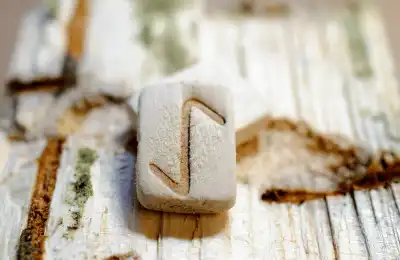
Eihwaz, associated with the yew tree, represents death, rebirth, and transformation. It's often drawn during periods of significant change, symbolising endurance through difficulty towards renewal.
Perthro
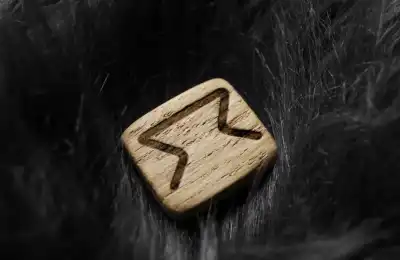
Perthro represents fate, mystery, and the unknown. It's closely tied to divination itself, often associated with chance, luck, and the parts of life that remain outside of our control.
Algiz
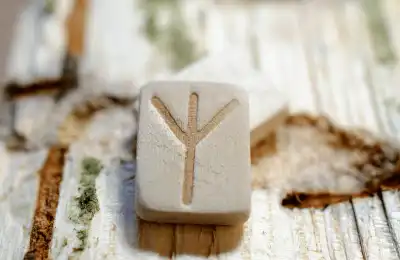
Algiz represents protection, often symbolised by the elk or a raised hand warding off harm. It's one of the most widely recognised protection runes, frequently used in modern rune tattoos and bind runes for exactly this reason.
Sowilo
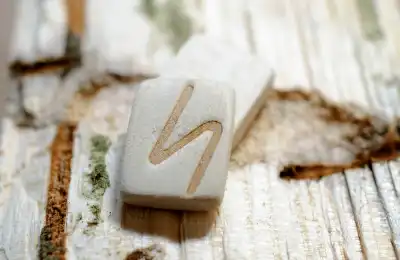
Sowilo, meaning the sun, represents success, energy, and guidance. It's associated with wholeness and vital life force, often seen as one of the most positive runes in the entire Futhark.
Tiwaz
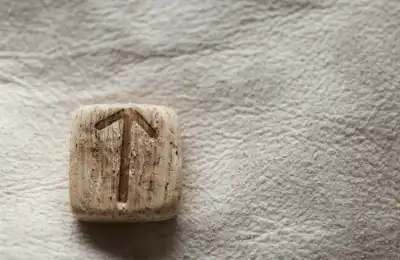
Tiwaz is associated with Tyr, the god of justice, and represents honour, sacrifice, and leadership. It's often drawn upon in matters requiring fairness, courage, or standing by a difficult decision.
Berkano
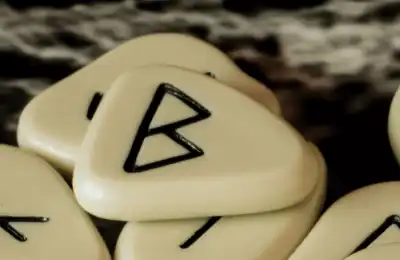
Berkano, associated with the birch tree, represents growth, new beginnings, and fertility. It's often linked to nurturing energy and the early stages of something taking root.
Ehwaz
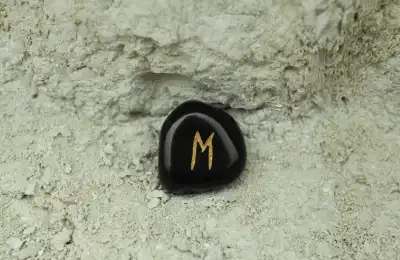
Ehwaz, represented by the horse, symbolises partnership, trust, and moving forward together. It's associated with loyal companionship and the kind of progress made through cooperation rather than going it alone.
Mannaz
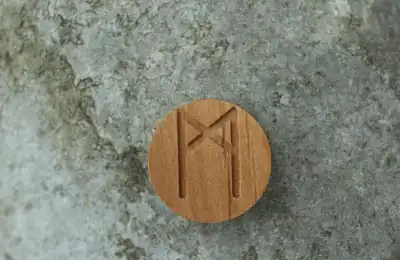
Mannaz represents humanity, the self, and social order. It's associated with cooperation, community, and understanding your place within a wider group.
Laguz
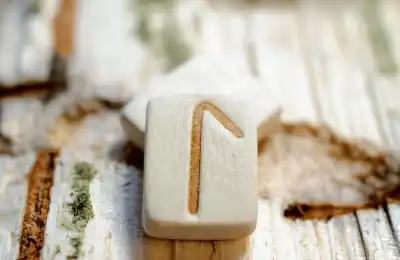
Laguz, meaning water, represents intuition, the unconscious mind, and emotional flow. It's often associated with trusting your instincts, particularly in situations that feel unclear or shifting.
Ingwaz
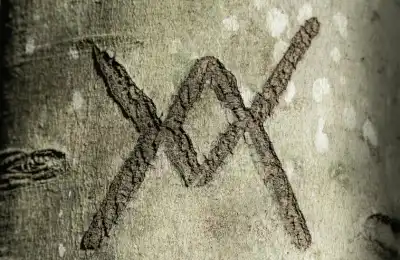
Ingwaz is linked to Freyr and represents fertility, internal growth, and stored potential energy. It's often associated with the quiet build-up of energy before it's released into visible progress.
Dagaz
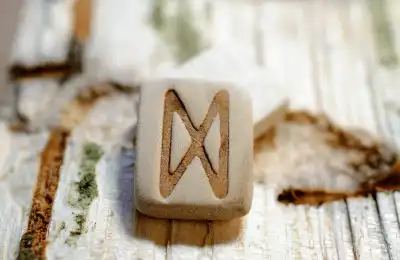
Dagaz, meaning dawn, represents breakthrough, awakening, and sudden clarity. It's considered a highly positive rune, symbolising the moment when everything becomes clear after a period of uncertainty.
Othala
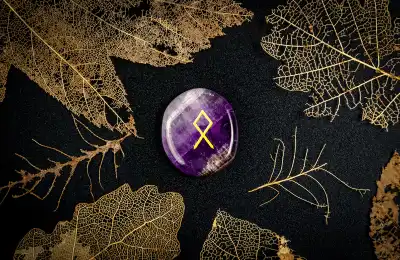
Othala represents ancestral property, heritage, and home. It's associated with inherited wealth, both material and spiritual, and a strong connection to family and roots.
The Most Powerful Norse Runes
While every rune has its place, some Norse runes are seen as more powerful than others, largely due to how frequently they're drawn upon for specific purposes.
Algiz is arguably the most commonly cited rune for protection, given its direct association with warding off harm. For strength, Uruz and Thurisaz are the most frequently mentioned, tapping into raw physical power and protective force respectively. When it comes to love, Gebo is the rune most closely tied to partnership and generosity between two people, while Ansuz is often considered the rune of wisdom itself, thanks to its direct connection to Odin.
Norse Rune Tattoos and Bind Runes
Rune tattoos have become increasingly popular, often chosen for the specific meaning behind an individual rune, such as Algiz for protection or Sowilo for success. Some people choose a single rune, while others combine several into a single symbol known as a bind rune, a design that merges multiple runes together to combine their meanings into one image.
Bind runes require some care to design properly, since the way individual runes overlap can change how they're read visually. Many people work with an experienced rune reader or tattoo artist familiar with Norse symbolism to make sure a bind rune tattoo says what it's actually meant to say. Similar Viking symbols, like the Vegvisir and Helm of Awe, are sometimes combined with runes in tattoo designs too, covered in more depth in our guide to Norse Viking symbols.
Elder Futhark vs Younger Futhark: What's the Difference?
The Elder Futhark, with its 24 runes, was used from roughly the 2nd to 8th centuries across Germanic Europe. As the Norse language evolved, the alphabet was eventually simplified into the Younger Futhark, which contains only 16 runes and was used primarily by Vikings in Scandinavia from around the 8th century onwards.
The Younger Futhark is technically more historically accurate for anything specifically labelled "Viking," since the Elder Futhark predates the Viking Age itself. That said, the Elder Futhark remains far more popular in modern tattoo and jewellery design, largely because its meanings are better documented and more widely taught today.
How to Read Runes
Traditional rune reading, often called rune casting, typically involves drawing one or more runes at random from a pouch and interpreting their meaning in relation to a question or situation. A simple three-rune spread, representing past, present, and future, is a common starting point for beginners, similar in concept to a small tarot spread.
Unlike tarot, most rune sets don't include reversed meanings in the same structured way, though some readers do interpret an upside-down rune slightly differently. As with any form of divination, interpretation relies heavily on context, intuition, and practice over time. Explore our Rune Divination Diploma Course for just £29.
Frequently Asked Questions
Did Vikings Actually Use Runes?
Yes, though the Vikings specifically used the Younger Futhark rather than the Elder Futhark. Runes were used for practical writing, memorial inscriptions, and, according to some historical and legendary sources, for divination as well.
What Is the Rune for Love?
Gebo is the rune most closely associated with love, given its connection to gift-giving, generosity, and reciprocity between two people.
Are Rune Translators Accurate?
Online rune translators can convert individual letters into their runic equivalents reasonably well, but they can't capture pronunciation shifts, historical spelling conventions, or regional variations, so results should be treated as a fun approximation rather than a precise translation.
What's the Difference Between Runes and Viking Symbols?
Runes are technically letters with individual meanings, forming a full writing system, while Viking symbols like the Vegvisir or Helm of Awe are standalone protective or symbolic images rather than alphabet characters, even though the two are frequently combined in art and tattoos.
Are Runes Pagan or Viking?
Runes predate the Viking Age and were used across various Germanic pagan cultures before and during that period. They're closely tied to Norse paganism specifically, though "Viking" more accurately refers to the later period when the Younger Futhark was in use.
Can I Get a Bind Rune Tattoo of My Name?
A bind rune name tattoo is a popular choice, though it's worth working with someone knowledgeable in runic symbolism to make sure the letters translate accurately and that the combined bind rune doesn't accidentally create an unintended meaning.
Study Norse Mythology for £29
If the runes have sparked a deeper interest in Norse mythology and the gods behind them, our Norse Mythology Diploma Course is the perfect next step. You'll explore the myths, gods, and symbolism of the Norse world in far more depth, and for a limited time, you can enrol for just £29.




