The best dog breeds for security combine natural protectiveness with intelligence and trainability, rather than aggression alone. If you're considering a dog specifically for home or family protection, this guide covers the breeds most consistently recommended and what responsible ownership actually looks like.
What's in this Guide?
This guide covers the best dog breeds for security, along with what genuinely makes a breed suited to protection work. You'll also find guidance on training a guard dog responsibly.
Jump to:
What Makes a Good Security Dog?
A genuinely good security dog isn't simply the most aggressive one available. In fact, most professional trainers would argue that aggression and genuine protectiveness are two entirely different things, with the latter being far more valuable and far more reliable. The best protection breeds tend to share a specific combination of traits:
- High intelligence and strong trainability
- Natural wariness of strangers balanced with loyalty to their own family
- Physical strength and stamina suited to an active, alert role
- A confident, stable temperament rather than fear-based reactivity
- A strong bond with their handler, since guard dogs work best with consistent, trusted leadership
Aggression on its own isn't a desirable trait in a security dog. In fact, an unpredictable or poorly trained dog can pose more risk than protection, which is why temperament and trainability matter just as much as size or strength. A dog that reacts out of fear or confusion is far less reliable than one that's confident, well-socialised, and clear on when protective behaviour is actually needed.
Best Dog Breeds for Security
The breeds below are among the most consistently trusted for protection work, whether professionally or within a family home. Each brings a slightly different balance of size, drive, and temperament, so it's worth reading through a few before deciding which suits your situation.
German Shepherd
German Shepherds are among the most widely used breeds in police and military work worldwide, thanks to their intelligence, trainability, and natural protective instincts. They form extremely close bonds with their handler and thrive when given a clear job to do, whether that's guarding, tracking, or general obedience work. This combination of loyalty and capability is part of why they remain one of the most trusted choices for security purposes globally.
- Temperament: Confident, loyal, and highly intelligent
- Exercise Needs: High; needs substantial daily exercise and mental stimulation
- Shedding: Heavy, with a thick double coat requiring regular brushing
- Feeding: Moderate to large appetite suited to their size and activity level
- Good With: Excellent with their own family when properly socialised, though naturally wary of strangers
- Lifespan: Around 9 to 13 years
Rottweiler
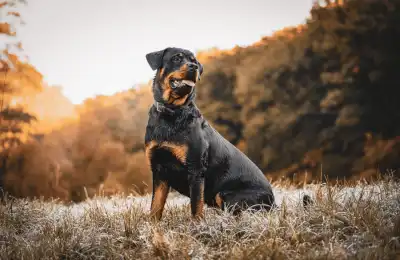
Rottweilers are powerful, confident dogs with a long history as guard and working dogs, known for their calm, watchful nature balanced with genuine devotion to their family. They tend to be naturally observant rather than reactive, only becoming protective when they genuinely sense a reason to be. This measured temperament, paired with their considerable strength, makes them one of the most respected breeds for home security.
- Temperament: Confident, calm, and deeply loyal
- Exercise Needs: High; needs regular exercise and consistent mental engagement
- Shedding: Moderate, with a short, dense double coat
- Feeding: Large appetite suited to their substantial size
- Good With: Loyal and loving with their own family, though early socialisation is essential
- Lifespan: Around 9 to 10 years
Doberman Pinscher
Dobermans are sleek, athletic, and highly intelligent, frequently ranked among the most trainable guard dog breeds thanks to their sharp instincts and eagerness to work closely with their handler. Despite their intimidating reputation, they're often deeply affectionate with their own family, forming close, loyal bonds once trust is established. Their combination of speed, intelligence, and devotion makes them a genuinely versatile choice for security work.
- Temperament: Alert, loyal, and highly trainable
- Exercise Needs: High; thrives with vigorous daily exercise
- Shedding: Low to moderate, thanks to their short coat
- Feeding: Moderate to large appetite, suited to their lean, muscular build
- Good With: Very good with their own family and often gentle with children when well socialised
- Lifespan: Around 10 to 13 years
Belgian Malinois
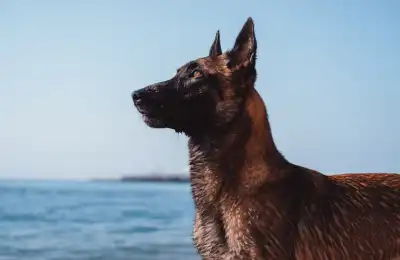
Belgian Malinois are widely used by military and police units around the world, prized for their intensity, focus, and remarkable work drive. They're often considered even more high-energy and task-driven than the German Shepherd, thriving on structure and consistent mental challenge. This breed genuinely needs a job to do, making them best suited to experienced handlers who can match their drive.
- Temperament: Highly driven, alert, and intensely focused
- Exercise Needs: Very high; needs significant daily exercise and structured training
- Shedding: Moderate, with a short, weather-resistant coat
- Feeding: Moderate appetite relative to their lean, athletic build
- Good With: Loyal to their family, though their high energy and drive make them better suited to experienced owners
- Lifespan: Around 12 to 14 years
Cane Corso
Cane Corsos are large, imposing dogs with a natural protective instinct, historically used as guardian dogs for property and livestock in Italy. Their sheer physical presence alone is often enough to deter unwanted attention, though they're just as capable of backing that presence up when genuinely needed. With proper training, they tend to be calm, watchful, and deeply devoted to their family.
- Temperament: Confident, protective, and calm when properly trained
- Exercise Needs: Moderate to high; needs regular exercise and consistent structure
- Shedding: Low, thanks to their short coat
- Feeding: Large appetite suited to their considerable size
- Good With: Loyal to their family, though their size and strength mean early training and socialisation are essential
- Lifespan: Around 9 to 12 years
Bullmastiff
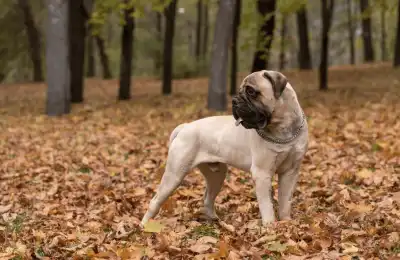
Bullmastiffs were originally bred specifically to guard large estates, combining significant size and strength with a surprisingly gentle, watchful temperament around their own family. Rather than relying on speed or aggression, they tend to work by intercepting and holding rather than attacking outright, a trait bred into them for exactly this purpose. This makes them an unusually calm, dependable choice for anyone wanting a genuinely protective dog without a highly reactive temperament.
- Temperament: Calm, watchful, and protective without excessive aggression
- Exercise Needs: Moderate; shorter walks suit them better than intense exercise
- Shedding: Low to moderate, thanks to their short coat
- Feeding: Large appetite suited to their substantial size
- Good With: Generally gentle and patient with children when well socialised
- Lifespan: Around 7 to 9 years
How to Train a Guard Dog Responsibly
Training a dog for security purposes is a serious commitment that goes well beyond basic obedience. Responsible guard dog ownership typically starts with thorough socialisation as a puppy, ensuring the dog can distinguish between genuine threats and everyday situations, such as visitors or unfamiliar noises.
Specific protection training should always be handled by a qualified, experienced professional rather than attempted independently, since poorly managed training can create a genuinely dangerous, unpredictable dog rather than a reliable one. It's also worth checking local laws, insurance implications, and any breed-specific restrictions in your area before committing to a breed known for guarding work.
Recommended for you!
Best Sellers

Frequently Asked Questions
What Is the Most Protective Dog Breed?
German Shepherds, Rottweilers, and Belgian Malinois are among the most consistently cited protective breeds, thanks to their combination of intelligence, loyalty, and natural wariness of strangers.
Are Guard Dogs Safe Around Children?
Many guard dog breeds, including Rottweilers and Bullmastiffs, can be excellent with children when properly socialised from puppyhood, though supervision and early training are essential regardless of breed.
Do Guard Dogs Need Special Training?
Basic obedience and thorough socialisation are essential for any guard dog breed, and more specific protection training should always be carried out by a qualified professional rather than attempted at home.
Are Guard Dogs Legal for Home Protection?
Owning a large or protective breed for home security is generally legal, though laws vary by location, and some areas have specific breed restrictions or insurance requirements worth checking beforehand.
What's the Best Guard Dog for a First-Time Owner?
Guard dog breeds generally require experienced handling, so first-time owners are usually better suited to calmer, more forgiving breeds than to a dedicated protection breed.
Can a Guard Dog Also Be Affectionate?
Yes, many of the breeds best known for security, including Rottweilers and Dobermans, are also genuinely affectionate with their own family, even while remaining naturally protective towards strangers.
Are Smaller Dogs Ever Good for Security?
While smaller breeds are unlikely to physically intervene the way larger guard dogs can, breeds with strong alertness and a tendency to bark at unfamiliar activity can still serve a useful watchdog role, alerting you to a potential concern even without the same physical presence.
Study Canine Behaviour and Training for £29
If you're considering a dog for home protection, our Canine Behaviour and Training Course will help you understand canine behaviour and build a well-trained, balanced companion. You'll learn how to approach training responsibly and set your dog up for success, and for a limited time, you can enrol for just £29.