Bringing home a new puppy is one of life’s great joys, but it also comes with plenty of things to learn, especially when it comes to house training.
This step-by-step guide is designed to help you understand how to train a puppy to toilet in the right place, with eight actionable steps and your common questions answered.
Jump to:
How House Training Works
Before we move into the step-by-step process, it helps to understand the basic principles behind successful toilet training:
- Puppies thrive on routine.
- They need plenty of chances to do the right thing.
- They learn through consistency and repetition.
- They respond best to positive reinforcement.
- They are not physically capable of holding it for long periods.
How to House Train a Puppy
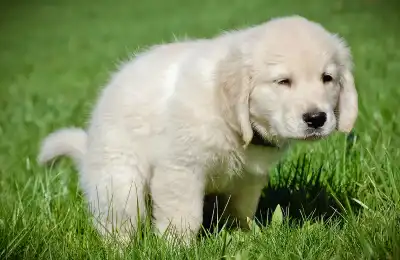
Step 1: Create a Predictable Routine
A reliable routine helps your puppy feel secure and dramatically reduces indoor accidents. Take your puppy outside first thing in the morning, after meals, after naps, after playtime, and before bed. Very young puppies often need to go out every hour or two because their bladders are still developing and they can’t hold it for long.
If you’re wondering how long a puppy can hold their pee, a general guide is one hour per month of age, though some will need more frequent breaks. Once your puppy begins to recognise the pattern of regular outings, house training becomes much smoother.
Step 2: Choose a Consistent Toilet Area
Pick a quiet, safe outdoor spot and use it every time your puppy needs to go. This consistency helps them understand what the area is for. Keep the atmosphere calm and still, avoiding play or distractions. As soon as your puppy finishes toileting, offer gentle praise or a treat. This immediate reinforcement teaches them that toileting outside is the behaviour you want.
Step 3: Supervise Your Puppy Indoors
Supervision prevents most accidents. Until your puppy has learned where to go, try to keep them close by so you can spot early signs they need the toilet. These might include sniffing, pacing, circling, and wandering away from you unexpectedly. When you notice these behaviours, calmly take them outside to their designated spot.
If supervision is difficult, you may find a playpen or crate helps limit roaming and supports better habits.
Step 4: Reward Quickly and Consistently
Puppies learn through timing, so make sure to offer praise or a treat immediately after your puppy finishes toileting outside. A delay of even a few seconds can confuse them, so keep rewards handy. This simple habit teaches them that toileting outdoors brings positive outcomes, which is one of the most effective puppy potty training tips you can use.
Step 5: Handle Indoor Accidents Correctly
Accidents are normal, even with a good routine. If you catch your puppy in the act, interrupt gently with a calm sound and take them outside straight away. Praise them if they finish outdoors.
If you find a mess after the moment has passed, quietly clean it with an enzymatic cleaner. There’s no need to scold your puppy; they won’t understand and it may make them anxious. Instead, reflect on whether they needed a more frequent schedule or closer supervision.
Step 6: Night-Time Training
Night-time house training takes a bit of patience. Most young puppies can sleep for three to four hours before needing a short toilet break, though this varies. Help them succeed by taking them out just before bedtime and keeping nighttime trips calm and quiet. Avoid turning them into play sessions. As your puppy grows, they will naturally be able to wait longer.
Step 7: Try House Training a Puppy with a Bell (Optional)
Some owners like to teach their puppy to ring a bell to signal they need to go outside. To do this, hang a bell by the door and ring it each time you take your puppy out. After a few days, help your puppy nudge the bell before you step outside.
Over time, your puppy may ring it independently when they need the toilet. This method can be especially helpful in busy homes and works well for puppies who enjoy learning cues.
Step 8: Be Patient and Track Progress
Progress varies from puppy to puppy, and while you can see improvement within a week or two, full reliability often takes a few months. It depends on consistency, routine, breed, and your puppy’s individual development.
Rather than rushing the process or relying on quick fixes, aim for steady progress and celebrate the small wins. If your puppy struggles or regresses, simply return to the basics and reinforce the routine.
What Affects How Fast a Puppy Learns?
People often want to know how long it takes to house train a puppy, but there isn’t a single answer. Several factors influence the timeline:
- Age: Very young puppies need far more toilet breaks than older ones.
- Breed: Some breeds are known to learn quickly, while others need more repetition.
- Routine: A predictable routine speeds up training dramatically.
- Health: If a puppy is unwell, toilet habits may be irregular.
- Environment: Those learning how to house train a puppy in a flat or apartment may need extra patience simply because going outside is less immediate.
House Training Older Dogs
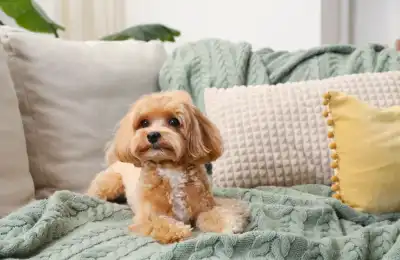
If you’ve adopted an adult dog, they may need help with potty training, particularly if they’ve had a difficult upbringing. The good news is that older dogs often learn faster than puppies because they can physically hold their bladder for longer and understand routines more easily. The same steps apply, but older dogs may need some extra reassurance if they’ve had inconsistent training in the past.
The key is to provide structure, kindness, and repetition. Most older dogs adapt beautifully when given clear guidance and a predictable routine.
Living in a Flat or Apartment
If you’re learning how to house train a puppy in a flat or apartment, the basics stay the same, but the timing needs a little more planning. Getting outside quickly may be harder when you don’t have a garden, so you’ll need to pay close attention to early signs and be ready to take your puppy out promptly.
Keeping a lead near the door, planning regular breaks, and choosing a nearby outdoor toilet spot can make things much easier. Apartment-living puppies can learn just as well as garden-living puppies; they just need slightly more structured routines.
Recommended for you!
Best Sellers

Study Our Puppy Training Course for £29
If you’d like to deepen your understanding of dog behaviour and training techniques, you may enjoy our Puppy Training Diploma Course. Enrol today for a discounted price of £29!