Whether you’re planning a garden or choosing flowers for a gift, orange blooms bring warmth and energy in a way few other colours can. They come in a wide range of shapes, sizes, and varieties, from delicate spring flowers to bold, statement blooms that stand tall in borders and arrangements.
What’s in This Guide?
This blog post explores different types of orange flowers, their names, where they grow, and what makes each one special. You’ll also find answers to common questions about orange flowers, including their symbolism and their role in gardens across the UK and worldwide.
Jump to:
Why Orange Flowers Are So Popular
Orange sits between red and yellow on the colour spectrum, blending warmth with cheerfulness. In gardens, orange-coloured flowers create a strong focal point and pair beautifully with greens, purples, blues, and white flowers in softer planting schemes.
Many orange flowers are easy to grow, pollinator-friendly, and long-lasting, making them popular choices for both experienced and beginner gardeners. From bright orange flowers that bloom in summer to spring flowers that signal new beginnings, there’s a wide variety to choose from.
1. Marigolds – Bright and Cheerful Garden Classics
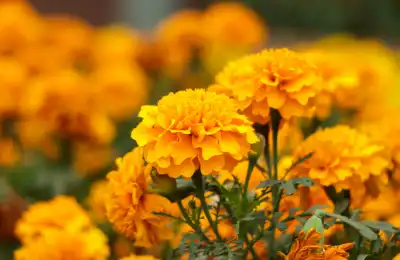
Marigolds are among the most familiar orange flowers, known for their bold colour and rounded, layered petals. They’re often associated with positivity and celebration, which makes them popular in gardens, festivals, and floral displays.
These bright orange flowers bloom for a long season, usually from late spring through to autumn. Their strong colour makes them ideal flowers for garden borders and containers, and they’re also valued for helping to deter pests naturally.
Marigolds belong mainly to the genus Tagetes. Common types of orange marigolds include:
- African marigolds with large orange blooms
- French marigolds in deep orange shades
- Single-flowered orange marigolds
- Double pom-pom style marigolds
- Compact orange marigolds for pots
2. Calendula – Soft Orange Flowers with a Gentle Look
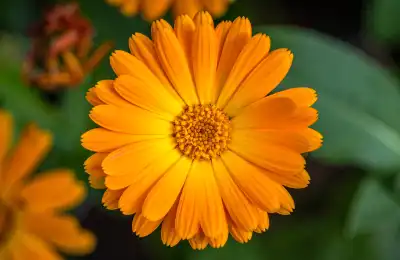
Calendula, often called pot marigold, produces soft, daisy-like orange and yellow-orange flowers. Unlike true marigolds, calendula has a lighter, more open shape and a calming appearance.
These orange-coloured flowers are easy to grow and bloom for much of the year in mild conditions. They’re commonly used in cottage gardens and are well known for their soothing properties in creams and balms.
Calendula belongs to the genus Calendula. Popular orange calendula varieties include:
- Bright orange calendula
- Soft apricot-toned calendula
- Single-petal calendula flowers
- Semi-double orange calendula
- Hardy garden calendula plants
3. Orange Lilies – Tall, Dramatic, and Eye-Catching
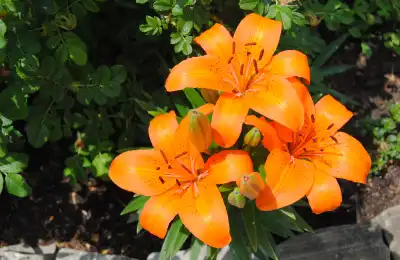
Orange lilies are tall orange flowers that bring height and structure to garden borders. Their large, trumpet-shaped blooms often feature darker markings, adding extra visual interest.
These orange flowers are commonly used in both gardens and floral arrangements. Their strong stems and striking colour make them a popular choice if you want a tall orange plant that stands out.
Orange lilies belong to the genus Lilium. Well-known orange lily types include:
- Asiatic orange lilies
- Tiger-style orange lilies
- Trumpet orange lilies
- Spotted orange lily varieties
- Tall garden lilies with orange blooms
4. Tiger Lilies – Bold Orange Flowers with Character
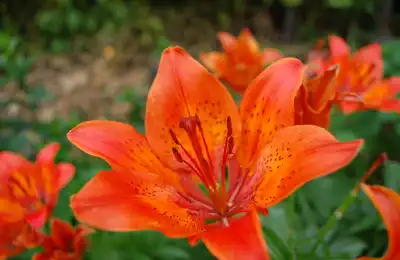
Tiger lilies deserve a category of their own because they’re so visually striking and easily recognised, thanks to their vivid orange petals covered in dark spots. They have a slightly wild, dramatic appearance and are often seen in informal gardens or naturalised areas.
These tall orange flowers bloom in mid to late summer and are very hardy. Many people recognise tiger lilies as one of the easiest plants to spot.
Tiger lilies are a type of Lilium lancifolium. Common tiger lily varieties include:
- Classic orange tiger lilies
- Deep orange spotted lilies
- Tall wild-style tiger lilies
- Garden-grown tiger lily hybrids
5. Nasturtiums – Relaxed and Colourful Garden Fillers
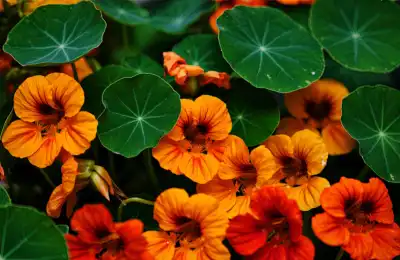
Nasturtiums are free-flowing plants with round leaves and vivid orange flowers. Their informal shape makes them perfect for cottage gardens, hanging baskets, and trailing over edges.
These orange garden flowers are also edible, with both leaves and petals offering a peppery flavour. They bloom throughout summer and are easy to grow, even in poor soil.
Nasturtiums belong to the genus Tropaeolum. Orange nasturtium types include:
- Bright orange trailing nasturtiums
- Deep burnt-orange varieties
- Single-flowered nasturtiums
- Compact bush nasturtiums
- Climbing orange nasturtiums
6. Crocosmia – Arching Stems of Summer Colour
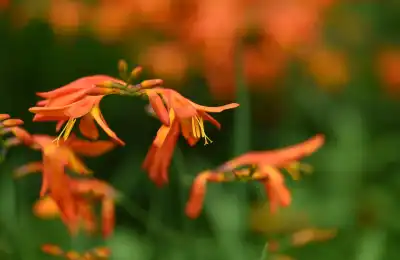
Crocosmia produces tall, arching stems lined with small orange or yellow-orange flowers. These plants are a familiar sight in UK gardens and bloom in mid to late summer.
They’re reliable perennials with orange flowers that return each year and gradually spread. Their warm tones work beautifully alongside grasses and other summer plants.
Crocosmia belongs to the genus Crocosmia. Popular orange crocosmia varieties include:
- Bright orange crocosmia
- Red-orange crocosmia hybrids
- Tall crocosmia with arching stems
- Compact crocosmia for smaller gardens
7. Geum – Delicate Orange Spring Flowers
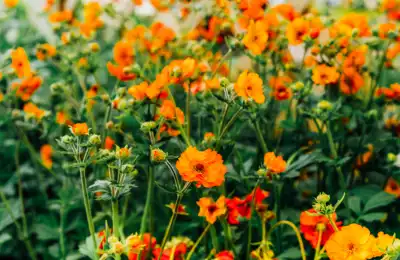
Geum produces delicate, cup-shaped flowers in shades of orange and yellow-orange. These plants bloom in spring and early summer, making them ideal spring flowers.
Their light, airy appearance contrasts nicely with bolder plants, and they attract bees and other pollinators. Geum works well in borders and wildlife-friendly gardens.
Geum belongs to the genus Geum. Orange geum varieties include:
- Soft orange geum
- Bright tangerine geum
- Semi-double orange geum flowers
- Hardy perennial geum plants
8. Poppies – Silky Petals in Brilliant Orange
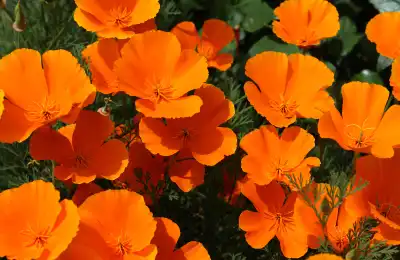
Orange poppies are known for their paper-thin petals and intense colour. They open fully in sunlight, creating a striking display during late spring and summer.
These bright orange flowers are often grown from seed and thrive in sunny, open spaces. Many gardeners consider poppies among the prettiest orange flowers due to their simple shape and vivid tone. Poppies are also recognised as the August birth flower.
Orange poppies belong mainly to the genus Papaver. Common types include:
- California poppies
- Bright orange field poppies
- Single-petal orange poppies
- Wild-style orange poppy flowers
9. Chrysanthemums – Autumn Orange Flowers
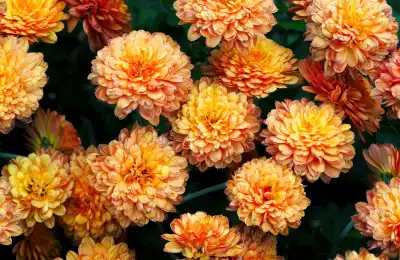
Chrysanthemums bloom later in the year and are often associated with autumn displays. Their layered petals give them a full, rounded shape, similar to carnations.
If you’re looking for orange flowers that bloom in October, chrysanthemums are one of the most common types. They’re widely used in arrangements and seasonal garden displays.
Chrysanthemums belong to the genus Chrysanthemum. Orange varieties include:
- Deep orange chrysanthemum blooms
- Bronze-orange chrysanthemums
- Pom-pom style orange flowers
- Garden and cut-flower varieties
10. Zinnias – Bright, Structured Summer Blooms
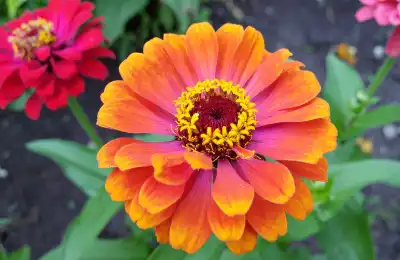
Zinnias are cheerful, structured flowers known for their neat shape and long flowering period. Their orange varieties range from soft peach tones to bold, fiery shades, making them a popular choice for colourful summer gardens.
These bright orange flowers are especially valued as cut flowers because they last well in vases. They are also excellent for pollinators, attracting butterflies throughout the warmer months.
Zinnias belong to the genus Zinnia. Popular orange zinnia varieties include:
- Bright orange single zinnias
- Double-flowered orange zinnias
- Peach-orange zinnia varieties
- Tall garden zinnias with strong stems
- Compact orange zinnias for borders
11. Helenium – Warm-Toned Late Summer Flowers
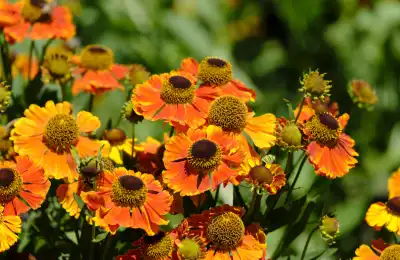
Helenium produces daisy-like flowers in rich orange and yellow-orange shades, often with darker centres. These plants bloom from late summer into early autumn, helping to extend colour in the garden.
They’re ideal if you are looking for tall orange flowers that add warmth and depth to mixed borders, and work especially well in natural-style and wildlife-friendly gardens.
Helenium belongs to the genus Helenium. Common orange helenium varieties include:
- Burnt orange helenium
- Orange and red-toned helenium
- Tall border helenium plants
- Late-flowering helenium varieties
- Perennial garden heleniums
Meaning and Symbolism of Orange Flowers
Orange flowers are widely associated with enthusiasm, warmth, creativity, and encouragement. Their vibrant colour sits between red and yellow, blending passion with optimism, which gives orange blooms a naturally uplifting feel. They’re often chosen to express admiration or support, making them suitable for many different occasions.
In more reflective settings, orange flowers can also hold deeper meaning. At funerals and memorials, they’re often chosen to celebrate life and reflect warm memories. Rather than symbolising sorrow, orange blooms can represent gratitude for shared moments and the lasting impact of a loved one’s presence.
Orange Flowers and Love
While red flowers are traditionally linked with romantic love, orange flowers represent a combination of passion and respect. This makes them especially versatile, as they can be given to partners, friends, or family members without carrying an overly intense message.
In deeper shades, orange flowers can symbolise strong affection and emotional warmth, while lighter tones tend to express joy and appreciation. Flowers such as orange tulips and poppies are often associated with confident, expressive love that feels sincere and uplifting.
Choosing Orange Flowers for Your Garden
When selecting orange flowers for your garden planting, consider height, flowering time, and whether you want annuals or perennials. Tall orange flowers like crocosmia and lilies work well at the back of borders, while lower plants such as marigolds and calendula suit edging and containers.
Mixing yellow and orange flowers can create a warm, uplifting palette, while pairing orange with white flowers softens the overall effect.
Recommended for you!
Best Sellers




Study Floristry for £29
If learning about flowers has sparked a deeper interest, you may enjoy exploring floristry in more detail. Understanding flower varieties, colour symbolism, and arrangement techniques opens up creative and professional opportunities. We offer a Floristry Diploma Course designed for all levels, whether you’re learning for personal enjoyment or considering a new career path. Enrol today for a discounted price of £29!