Mindfulness has become a familiar word in recent years, but when it comes to children, it can feel tricky to know where to start. You might have heard that mindfulness helps children become better at managing their emotions, but how do you actually teach mindfulness to a child?
The good news is that you don’t need a special class or fancy equipment. With a few mindful activities, you can bring simple, calming practices into your home life in ways that feel natural and fun.
This guide explores a range of children’s mindfulness activities you can do at home, offering ideas suited for all ages, from preschool activities to mindful games that older children will enjoy.
Jump to:
- What Is Mindfulness and Why Is It Helpful for Children?
- 1. Mindful Breathing: The Balloon Exercise
- 2. The Mindful Listening Game
- 3. The Five Senses Exercise
- 4. Mindful Drawing or Colouring
- 5. The Gratitude Jar
- 6. Nature Walk Mindfulness
- 7. The Mindful Jar (Calm-Down Glitter Jar)
- 8. Belly Buddies Relaxation
- 9. Mindful Eating
- 10. Body Scan for Kids
- 11. Cloud Watching
- 12. Positive Affirmations
- 13. Storytime Mindfulness
- 14. Bubble Breathing
- 15. The Kindness Tree
- 16. Shape Breathing
- 17. Mindful Movement or Stretching
- 18. The Worry Stone
- 19. Mindful Music
- 20. Candle or Flame Watching
- 21. Mindful Lego or Building Time
- 22. Mindful Hugging
- 23. Visualisation Journey
- 24. Mindful Bedtime Routine
- Bringing Mindfulness Into Everyday Life
- Study Children’s Mindfulness for £29
What Is Mindfulness and Why Is It Helpful for Children?
Mindfulness means paying attention to the present moment, including what we’re feeling, sensing, and thinking, without judgement. For children, this can be a powerful skill. It teaches them how to pause and respond thoughtfully rather than react quickly.
Children live in a world that moves fast, and between school, screens, and daily routines, it’s easy for them to become overstimulated. Practising mindfulness helps them slow down and notice the world around them. Studies show that mindful activities can support emotional regulation and improve concentration.
1. Mindful Breathing: The Balloon Exercise
This is one of the easiest ways to introduce mindfulness to early years and beyond. Breathing exercises help children connect with their bodies and calm their minds.
Ask your child to imagine they have a balloon in their tummy. As they breathe in deeply through their nose, the balloon fills up and their belly expands. When they breathe out slowly through their mouth, the balloon deflates. You can even place a small toy on their tummy so they can watch it rise and fall.
This fun mindfulness exercise helps children learn how to use their breath to relax. This can become an invaluable tool when they feel anxious or frustrated.
2. The Mindful Listening Game
Children love games, which makes this activity perfect for teaching mindfulness through play. Choose a quiet moment and ask your child to close their eyes. Spend one minute simply listening. Afterwards, ask what sounds they noticed, like the ticking of a clock, birds outside, or footsteps in another room.
This mindfulness game encourages focus and awareness of the environment. It’s also a lovely way to strengthen a child’s attention span and observation skills, making it one of the most effective mindful games for young learners.
3. The Five Senses Exercise
When life feels a bit overwhelming, grounding children in their senses can help them feel steady again. This activity is great for children of all ages. Ask your child to name:
- Five things they can see
- Four things they can touch
- Three things they can hear
- Two things they can smell
- One thing they can taste
This sensory check-in brings attention back to the present moment, helping them manage stress or overstimulation. It’s one of those calming activities for children that can be done anywhere – before bed, during homework breaks, on the journey back from school, or even on a walk.
4. Mindful Drawing or Colouring
Art is a natural way for children to express themselves and practise mindfulness without even realising it. Provide colouring pencils or paints and encourage your child to focus on the movement of their hand and how each line or shape makes them feel.
You can play soft music in the background or simply enjoy the quiet. The goal isn’t to create a perfect picture but to stay present and relaxed. This is one of the most enjoyable mindfulness activities for children who like being creative.
5. The Gratitude Jar
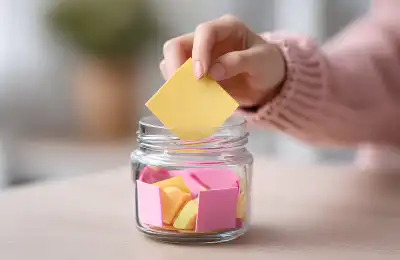
Teaching gratitude is another way to help children become more mindful and positive. All you’ll need is a jar and small pieces of paper. Each day, encourage your child to write or draw something that made them smile, laugh, or feel loved.
Over time, the jar fills up with reminders of good moments. When your child feels upset, you can read through the notes together. It’s a simple activity that nurtures emotional wellbeing and helps children focus on what’s going right in their lives rather than what’s going wrong.
6. Nature Walk Mindfulness
Spending time outdoors naturally helps children become more grounded and mindful. Go for a walk and encourage your child to notice the details around them. Pont out the colours of leaves, the smell of the air, the feel of their shoes on the ground, and the sound of crunching twigs.
You can turn it into a mindful game by setting challenges: “Can you find something rough, something soft, something that makes a sound?” This approach turns mindfulness into a playful adventure rather than a lesson.
7. The Mindful Jar (Calm-Down Glitter Jar)
This is a favourite among younger children. Fill a clear jar with water, glitter, and a few drops of glue. Shake it up and watch the glitter swirl. Explain that the glitter represents thoughts and emotions. When we’re upset, everything feels cloudy, but if we stay still and calm, things begin to settle.
This visual metaphor helps children understand mindfulness in a simple way. It’s particularly effective when teaching mindfulness to early years children who may not yet have the words to describe their emotions.
8. Belly Buddies Relaxation
This relaxation technique helps children become aware of their breath and body. Have your child lie down and place a small soft toy (their “belly buddy”) on their tummy. As they breathe in and out, they can watch the toy rise and fall.
Encourage them to imagine the toy is taking a gentle ride on the waves of their breath. This is one of the most soothing mindfulness exercises and works beautifully before bedtime to help children unwind.
9. Mindful Eating
Mealtimes are a wonderful opportunity to practise mindful eating. Choose a small piece of food like a raisin or a piece of chocolate. Ask your child to look at it closely, smell it, feel its texture, and then take a tiny bite.
Talk about how it tastes, how it feels, and what they notice as they chew slowly. This activity teaches patience and appreciation for simple pleasures, turning everyday routines into mindful experiences.
10. Body Scan for Kids
The body scan is a gentle mindfulness technique that helps children tune into how their body feels. Ask your child to lie down comfortably. Guide them to bring attention to their toes, then slowly move up through their legs, tummy, arms, and head.
Encourage them to notice sensations like warmth and relaxation. You can use a calm voice or even a short guided script. This activity helps children recognise physical signs of tension and teaches them how to release it.
11. Cloud Watching
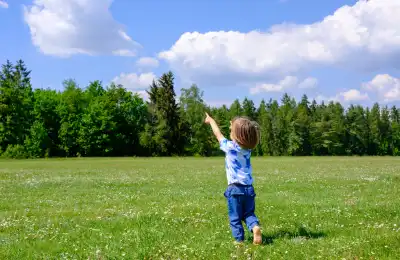
Sometimes the best mindful moments come from simple pleasures. Lie on a blanket outside and look up at the sky. Ask your child what shapes they see in the clouds. Watch them float by without trying to change or name too many.
This activity encourages observation and acceptance, both of which are key elements of mindfulness. It also gives children a sense of peace and connection to the world around them.
12. Positive Affirmations
Mindfulness isn’t only about being calm, it’s also about nurturing kindness and self-compassion. Teaching children to use positive affirmations helps them feel more confident and grounded. Create a list together with phrases such as:
- “I am kind.”
- “I can do hard things.”
- “I am calm and strong.”
Repeat these daily, perhaps while looking in the mirror or during bedtime. Over time, this mindful practice strengthens emotional resilience and self-belief.
13. Storytime Mindfulness
At bedtime, choose a story and read it slowly, pausing to ask your child how the characters might feel and what they might do next. Encourage your child to imagine themselves in the story, noticing what emotions come up and how the tale makes them feel.
This type of mindful storytelling helps children develop empathy and awareness. They learn to tune into emotions in a safe, creative way. You can also add short moments of reflection after the story, asking questions like, “What was your favourite part?” or “How did that story make you feel?” It’s a lovely, calming routine to end the day on a positive note.
14. Bubble Breathing
Bubble breathing is a playful way to teach children how their breath can help them relax. All you need is a bottle of bubbles. Ask your child to take a deep breath in through their nose and then blow out slowly through the bubble wand, trying to make the biggest bubble they can.
Explain that blowing too fast pops the bubbles, while slow and steady breathing makes them float beautifully. This is a great example of how to teach kids what mindfulness is, by linking it to something they already enjoy.
15. The Kindness Tree
Mindfulness is also about compassion, for ourselves and others. Create a “kindness tree” together using paper, string, and coloured leaves cut from card. Each time your child does something kind, like sharing a toy or saying thank you, they can write it on a leaf and hang it on the tree.
Over time, the tree becomes a beautiful visual reminder of their kind actions. It’s a mindful activity that boosts self-esteem and encourages empathy. Plus, it helps children focus on positive behaviour and how their actions affect others.
16. Shape Breathing
This calming activity gives children a visual way to focus on their breathing. Draw simple shapes, like a triangle or star, on a piece of paper. As your child traces each side of the shape with their finger, guide them to breathe in for one side, hold their breath for the next, and breathe out for the third.
This is one of the easiest preschool mindfulness activities and can be done anywhere. The repetition and structure help children self-soothe and regulate their emotions, making it an excellent tool for building mindfulness habits.
17. Mindful Movement or Stretching
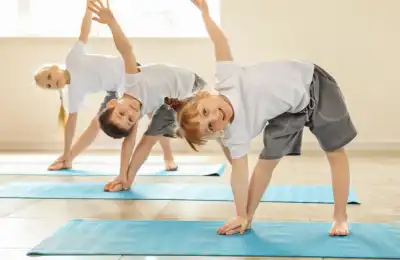
You don’t need to introduce full yoga sessions to help children move mindfully. Simply encourage them to pay attention to how their body feels as they stretch, reach, and balance. You might say, “Can you stretch your arms like a tree reaching to the sky?” or “Let’s see how slowly we can move like a sloth.”
The idea is to move with awareness rather than speed. Over time, they’ll start recognising how physical sensations can guide emotional wellbeing.
18. The Worry Stone
This calming activity gives children a physical object to help them focus during anxious moments. Choose a small, smooth stone and encourage your child to hold it when they feel worried or unsettled. Ask them to rub the stone gently while taking slow, deep breaths.
You can even invite them to imagine their worries flowing into the stone as they breathe out. This tactile practice is a simple, portable mindfulness tool for everyday challenges.
19. Mindful Music
Music naturally captures attention and emotion, making it perfect for mindfulness practice. Choose a calming song or piece of instrumental music and ask your child to sit quietly and really listen. What instruments do they hear? How does the rhythm make them feel? Does the music remind them of anything?
This activity sharpens listening skills while helping children connect with emotions in a safe and enjoyable way.
20. Candle or Flame Watching (for Older Children)
This mindful exercise is best suited for older children who can safely observe a flame under supervision. Light a candle in a quiet room and ask your child to focus on the flame, watching how it flickers and moves. Encourage them to take slow breaths and simply observe.
This calming practice helps children develop stillness and focus. It can also be a soothing bedtime ritual to promote relaxation before sleep.
21. Mindful Lego or Building Time
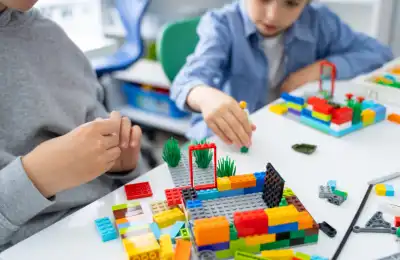
Mindfulness doesn’t have to mean sitting still. If your child enjoys building with Lego or other toys, you can turn this into a mindful activity. Encourage them to build quietly, noticing the colours, shapes, and textures. Ask them to pay attention to how the pieces fit together and how it feels to create something new.
This activity promotes patience and creativity, which are important qualities that mindfulness helps nurture. It’s also a subtle way to teach mindfulness without it feeling like a formal practice.
22. Mindful Hugging
A mindful hug can be a simple yet powerful way for children to feel safe and connected. Encourage your child to give themselves a gentle hug or share one with you. As they do, ask them to notice how warm and comforting it feels, and how their heart rate begins to slow down.
This is one of the most calming activities for children and can be especially helpful when they’re feeling upset or overwhelmed. It’s a reminder that kindness and mindfulness often start with small moments of care and connection.
23. Visualisation Journey
Children have vivid imaginations, so creative visualisation is an excellent mindfulness tool. Ask your child to close their eyes and imagine a peaceful place. Describe it in gentle detail: the sounds, the smells, the colours.
You can guide them through the scene with a soft voice, encouraging them to notice how relaxed and happy they feel there. This practice strengthens focus and helps them create an inner sense of calm they can return to whenever they need it.
24. Mindful Bedtime Routine
Turning bedtime into a mindful ritual can help children sleep more peacefully. Encourage them to take slow breaths, notice the feel of their blanket, and let their body relax from head to toe. You could add a few positive affirmations or even a short gratitude reflection to end the day on a soothing note.
This type of routine teaches mindfulness through repetition and calmness, helping children associate bedtime with safety and rest.
Bringing Mindfulness Into Everyday Life
Mindfulness can weave naturally into your daily routines. Encourage your child to notice small details throughout the day, such as the sound of birds and how the water feels when washing their hands. The more often you remind them to pause and observe, the more mindfulness becomes a habit rather than a task.
Children learn best through example, so practising mindfulness yourself can make a big difference. When they see you take a deep breath during stressful moments or appreciate simple pleasures, they’ll begin to follow suit.
Study Children’s Mindfulness for £29
If you’d like to learn more about mindfulness for children, explore our Children’s Mindfulness Diploma Course. This online course offers in-depth guidance on teaching mindfulness to young learners, including practical tools, mindful games, and fun mindfulness exercises that can be used at home or in classrooms. Right now, you can enrol for a discounted price of £29!