If you or someone you love celebrates a birthday in January, you might be curious about the January birth flowers and what their meanings reveal about personality, hope, and fresh beginnings. Birth flowers feel deeply personal, offering a thoughtful way to understand yourself and others.
January has not just one, but two birth flowers, each with its own meaning. This guide takes you through everything you need to know about January’s birth flowers, including symbolic and cultural meanings, and birth flower tattoo ideas.
Jump to:
- Why Flowers Are Linked to Birth Months
- What Are the Two Birth Flowers for January?
- Snowdrop: January’s Gentle and Hopeful Flower
- Carnation: A Colourful and Heartfelt January Flower
- Why Are There Two Birth Flowers per Month?
- January’s Birthstone and Flower: A Symbolic Combination
- A Cultural Perspective of January’s Flower
- Personal Qualities Linked to the Snowdrop
- Personal Qualities Linked to the Carnation
- The Role of January Flowers in Celebrations and Daily Life
- Study Astrology for £29
Why Flowers Are Linked to Birth Months
Floral traditions date back to ancient societies that believed each flower carried symbolic qualities. Over time, Western culture paired these meanings with months of the year, creating a set of birth month flowers.
Each flower reflects the mood, season, and themes associated with its month. That’s why January’s flowers, blooming right in the heart of winter, tend to represent perseverance, new beginnings, courage, and quiet beauty standing strong in harsh conditions.
What Are the Two Birth Flowers for January?
The two birth flowers for January are the snowdrop and the carnation. These two flowers offer very different styles – one delicate and wild, the other bold and familiar – yet both add colour, meaning, and symbolism to early winter.
Let’s explore what each one represents and why they’re considered January’s flower of the month.
1. Snowdrop: January’s Gentle and Hopeful Flower
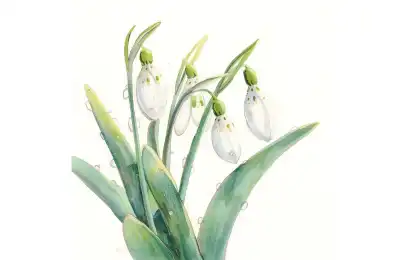
What Does a Snowdrop Symbolise?
The snowdrop is often the first flower to appear after winter reaches its coldest point. You may spot them peeking through snow or frozen soil. Because of this characteristic, snowdrops symbolise hope and the quiet strength that comes from endurance.
If you’re exploring January’s flower in a more poetic sense, the snowdrop truly embodies the spirit of early January – a reminder that gentleness can coexist with resilience. Many cultures believed snowdrops brought protection and the promise of brighter days.
Why the Snowdrop Is Associated with January
The snowdrop naturally blooms in mid-winter, making it one of the earliest indicators that spring is on its way. Its timing aligns perfectly with the themes of reflection and beginning anew, helping guide many people at the start of the year.
This makes the snowdrop an especially meaningful British birth flower for the month of January, as it grows widely across the UK and is often the first sign of life in winter landscapes.
Snowdrops as Meaningful Gifts
If you’re choosing January birthday flowers for someone who prefers understated beauty, snowdrops are a lovely option. They convey a gentle message of hope and encouragement, the perfect gesture for someone starting a new chapter.
Snowdrop Tattoos and Modern Symbolism
Many people choose to get a January birth flower tattoo to represent the month they’re born. Snowdrops are especially popular for this because their delicate shape translates beautifully into minimalist designs. People often choose the snowdrop as a symbol of overcoming a challenge, embracing change, or holding onto optimism.
2. Carnation: A Colourful and Heartfelt January Flower
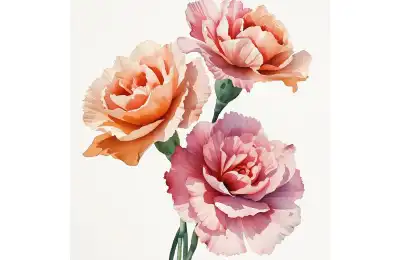
What Does a Carnation Symbolise?
Where snowdrops offer softness, carnations bring colour, warmth, and emotion. This bloom is known for symbolising love and affection. Different colours carry different meanings: for example, pink carnations are often associated with appreciation, while red represents deep love.
Why the Carnation Is Associated with January
Carnations are often the most widely known as January’s flower of the month due to their strong presence in floral arrangements and their long history in traditional gifting.
These colourful blooms are hardy flowers that withstand cool winter temperatures better than many others. Over time, they’ve become a reliable symbol of devotion and emotional warmth during the colder months.
Carnations as Birthday Gifts
Choosing carnations as birthday flowers for January is ideal for someone who appreciates classic flowers with rich symbolism. Their long-lasting nature also reflects loyalty, making them excellent for close friends or family members celebrating a January birthday.
Carnations in Art, Jewellery, and Tattoos
If you’re exploring the idea of a January birth flower tattoo, carnations appear frequently in more detailed designs because of their layered petals and expressive shape. Their symbolic ties to love and appreciation make them meaningful choices for commemorating relationships and personal milestones.
Why Are There Two Birth Flowers per Month?
Different cultures, traditions, and floral guides have developed over time, and no single universal list of birth flowers exists. Many months ended up with two flowers because:
- Some regions favoured blooms that grew locally.
- Certain flowers gained popularity through folklore or Victorian flower meanings.
- Florists and modern gifting guides expanded the list to offer more variety.
January’s combination of snowdrops and carnations reflects both wild seasonal blooms and long-standing cultural favourites. The pairing adds flexibility, too: whether someone prefers something natural and understated or bold and heartfelt, there’s a birth flower to match.
January’s Birthstone and Flower: A Symbolic Combination
People often link birthstones and flowers together to create personalised gifts or symbolic sets. The traditional birthstone and flower pairing is:
- January Birthstone: Garnet
- January Birth Flowers: Snowdrop and Carnation
Garnet’s deep red shade symbolises protection, grounding, and warmth, aligning beautifully with both January flowers. Together, they form a group of symbols representing hope, resilience, love, courage, and emotional wellbeing.
A Cultural Perspective of January’s Flower
Different countries sometimes emphasise one flower more than the other. In the UK, for example, the snowdrop is often highlighted due to its natural winter bloom.
Beyond Britain, these flowers also hold significance in other parts of the world. In parts of Eastern Europe, for example, snowdrops are seen as symbols of protection and renewal, often appearing in folklore as harbingers of brighter days. Meanwhile, carnations have long been celebrated across many Mediterranean and Asian cultures, where they are used in festivals, family ceremonies, and traditional art to represent gratitude and remembrance.
Because of these varied traditions, both flowers appear in stories and seasonal customs globally.
Personal Qualities Linked to the Snowdrop
People often enjoy exploring the symbolic traits associated with their birth flower, and the snowdrop offers a particularly gentle and uplifting set of meanings. Its qualities reflect the quiet strength and hopeful spirit that many people associate with early January:
- A naturally hopeful and encouraging nature.
- A quiet yet steady inner strength.
- Sensitivity balanced with resilience.
- A deep appreciation for renewal and growth.
Personal Qualities Linked to the Carnation
Carnations are full of emotional warmth, and the qualities linked to this flower often resonate with people who value connection and heartfelt expression. These symbolic traits highlight the caring and intuitive aspects traditionally associated with those born in January:
- Warm-hearted and expressive.
- Loyal and committed in relationships.
- Emotionally intuitive.
- Strong sense of love and appreciation for others.
The Role of January Flowers in Celebrations and Daily Life
Birth flowers appear in more places than just birthday cards. You may find them used in:
- Seasonal Decorations: Snowdrops often inspire winter motifs and décor. Their appearance in parks and gardens is also a natural sign of the season shifting.
- Gifts and Personal Keepsakes: Jewellery, bookmarks, prints, and candles frequently feature January’s flowers. These items make thoughtful keepsakes for birthdays, anniversaries, and new-year celebrations.
- Gardening and Home Growing: Snowdrops thrive in outdoor beds and naturalised woodland areas, while carnations can be grown in pots and gardens.
Many people enjoy planting their birth flower to feel a stronger personal connection to the season.
Recommended for you!
Best Sellers






Study Astrology for £29
If learning about birth flowers has sparked your interest in deeper symbolism, personality traits, and the wider world of star signs, you might enjoy exploring our Astrology Diploma Course. Enrol today for a discounted price of £29!