Whether you're looking to craft a story with classic Gothic elements or create something uniquely modern, this guide walks you through the steps to writing your own Gothic tale. By the end, you'll be equipped with everything you need to dive into this captivating genre.
Jump to:
- What is Gothic Fiction?
- Step 1: Start With a Strong Gothic Idea
- Step 2: Create Your Gothic Protagonist
- Step 3: Build Your Eerie World and Setting
- Step 4: Develop Your Antagonist or Force of Evil
- Step 5: Create Suspense and Build Tension
- Step 6: Write a Satisfying Ending
- Tips for Writing Gothic Stories
- Frequently Asked Questions
- Study Our Novel Writing Diploma for £29
Recommended for you!
Best Sellers







What is Gothic Fiction?
From haunted mansions to ancient castles, Gothic horror stories feature characters grappling with fear and the unknown. Gothic fiction is about uncovering dark secrets, exploring the human psyche, and creating an atmosphere of dread.
Step 1: Start With a Strong Gothic Idea
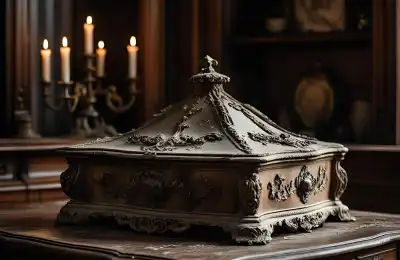
To begin, think about the central conflict of your story. Is it a haunted house? A cursed family heirloom? A tragic love story with a dark twist? In Gothic literature, themes of death, madness, and isolation are common.
You could focus on a psychological struggle, such as a character coming to terms with their own guilt, or grappling with a supernatural force that’s beyond their control. The more mysterious and eerie your concept, the better.
Step 2: Create Your Gothic Protagonist
Gothic characters are often tormented by dark pasts or trapped by their own emotions. They may be vulnerable or haunted by an internal struggle, making them particularly relatable to readers.
Consider creating a Byronic hero, a character who is isolated, morally ambiguous, and burdened by some personal tragedy. This character might be a fallen noble or someone with a dark secret they’re desperate to keep hidden. Alternatively, your protagonist might be a vulnerable damsel in distress, someone caught in a dangerous and supernatural world who must find a way to survive.
These characters should be complex and emotionally layered, with motivations that tie into the overarching themes of fear and isolation present in Gothic horror fiction.
Step 3: Build Your Eerie World and Setting
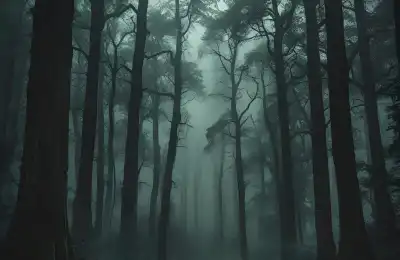
The setting in Gothic literature is one of the most important aspects of the genre, and a Gothic setting is an essential character in itself, often described as decaying, dark, and oppressive. Think of castles, ancient mansions, fog-covered moors, and dense forests. These settings should evoke feelings of dread and mystery, with hidden rooms, crumbling walls, and secrets lurking at every turn.
To make your Gothic story settings come alive, focus on the mood and atmosphere. Is it a stormy night with lightning flashing through the sky? Or perhaps your setting is a place steeped in history, filled with ghosts of the past that have left their mark on the land.
Creating an eerie and immersive setting is a key convention of Gothic literature, as it helps establish the mood and tension. The setting should reflect the psychological turmoil of your characters and heighten the sense of unease.
Step 4: Develop Your Antagonist or Force of Evil
In many Gothic stories, the antagonist is a force that threatens to consume the protagonist. Your villain could be a monster, like a vampire or ghost, or a more abstract force, such as a corrupt institution, a curse, or the protagonist’s own mind.
If you’re creating a Gothic horror story, consider the Gothic horror characteristics of your antagonist. Are they a vengeful spirit tied to an ancient wrong? A mad scientist who plays with dark forces? Or maybe they represent a more psychological evil, like a manipulative figure who seeks to control the protagonist?
This antagonist should serve as the central source of tension and fear in your story, creating obstacles that your protagonist must overcome. The more complex and unsettling your villain is, the more engaging your story will be.
Step 5: Create Suspense and Build Tension

Gothic fiction thrives on suspense and tension. The key to writing a great Gothic story is to keep readers on the edge of their seats, never quite knowing what’s real and what’s imagined. To do this, use a slow buildup of tension, dropping subtle hints that something sinister is at work.
Use atmospheric details, such as eerie noises, strange dreams, and dark imagery, to create a feeling of unease. Allow the sense of mystery to grow gradually, leading to shocking revelations and moments of intense emotional or physical conflict.
Suspense in Gothic fiction often comes from the unknown, whether it’s a terrifying secret that’s being hidden or a haunting presence that cannot be explained. Play with the reader’s sense of reality, make them question whether what they’re reading is a dream, a hallucination, or a supernatural occurrence.
Step 6: Write a Satisfying Ending
While many Gothic stories are known for their tragic or unresolved endings, it’s important that your conclusion feels satisfying in some way. It should tie up the emotional and thematic threads of the story, while still leaving some sense of lingering mystery.
Does the protagonist conquer their inner demons? Does the villain get their comeuppance? Or is there a twist that leaves the reader wondering if the supernatural forces are still at work? A Gothic novel’s definition often includes a sense of melancholy or tragedy, but you can still provide closure for your characters and your readers.
Tips for Writing Gothic Stories
- Use rich, descriptive language: The tone and atmosphere of a Gothic story rely heavily on vivid, sensory language. Describe your settings and characters in ways that evoke emotions and create a sense of foreboding.
- Embrace ambiguity: Gothic fiction often thrives on the unknown, so don’t feel the need to explain everything. Let some mysteries remain unsolved.
- Explore psychological horror: Gothic stories are often as much about the inner workings of the mind as they are about supernatural occurrences. Focus on the mental and emotional turmoil of your characters.
- Incorporate elements of romance: Many Gothic stories feature tragic or doomed love affairs, which can add to the sense of longing, isolation, and tension.
Recommended for you!
Best SellersFrequently Asked Questions
Can Gothic stories have a happy ending?
While Gothic fiction often leans toward tragic or ambiguous endings, it is possible to write a Gothic story with a positive resolution. However, even in stories that end well, the lingering tension and eerie atmosphere should remain to preserve the Gothic feel. The resolution might bring some emotional or psychological closure rather than a neatly tied-up, 'happy' ending.
What is the role of the uncanny in Gothic fiction?
The uncanny in Gothic fiction refers to something that is both familiar and strange at the same time, creating a sense of discomfort. It can be the return of a dead character or a place that feels both known and disturbingly altered. This blurring of the boundary between the real and the supernatural heightens the tension and intrigue.
What makes a Gothic novel different from other horror stories?
The key difference between a gothic novel and a horror novel lies in the atmosphere and themes. While horror fiction often focuses on shocking scares or grotesque imagery, Gothic fiction centres on psychological depth and the blending of the supernatural with emotional and moral struggles. Gothic stories often explore isolation, madness, death, and existential dread, using setting and mood to enhance the tension.
How do I know if a story is Gothic?
To determine if a story is Gothic, look for key elements: a dark, mysterious setting (often an old house, castle, or desolate landscape), a sense of isolation or entrapment, psychological and emotional tension, and themes of death, the supernatural, and the uncanny. Gothic fiction typically explores the darker side of human nature, often featuring characters who are grappling with inner demons, madness, and fear of the unknown.
What are some examples of Gothic fiction?
Some well-known examples of Gothic fiction include Frankenstein by Mary Shelley, Dracula by Bram Stoker, Wuthering Heights by Emily Brontë, and Rebecca by Daphne du Maurier. These novels feature dark, eerie settings, psychological depth, and supernatural or mysterious elements, making them quintessential works in the Gothic genre.
Study Our Novel Writing Diploma for £29
If you’re interested in learning more about writing Gothic fiction and developing your storytelling skills, Centre of Excellence offers a Novel Writing Diploma Course. Whether you’re a beginner or an experienced writer, this course will guide you through the essentials of crafting compelling stories. And today, you can get the course for just £29!