
Dogs are sensitive, loyal animals who build strong attachments to other dogs, cats, and humans in their household. When a companion is no longer there, bereavement in dogs can cause emotional pain and stress, leading to behaviours that may look unusual and worrying.
Recognising these signs is the first step to helping them heal. This guide explores the common symptoms of grief in dogs and gives you practical advice on how to support your dog with love and understanding.
Jump to:
Recommended for you!
Best Sellers



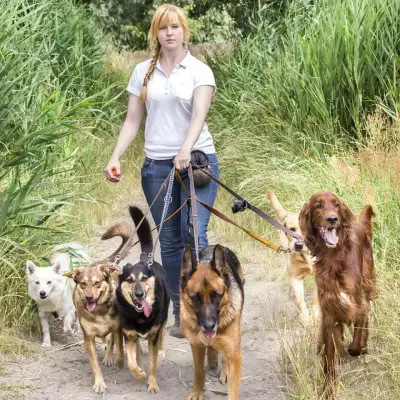
Do Dogs Grieve?
While dogs may not understand death in the same way humans do, there’s no doubt that they feel the absence of a loved one. Dogs rely heavily on routine, familiarity, and the presence of their companions. When one of those companions is gone, the surviving dog can experience a mixture of sadness, confusion, and anxiety.
10 Signs of Grieving in Dogs
Every dog is different, but these are the most common dog grieving symptoms you may observe:
1. Loss of Appetite

One of the clearest signs of grief in dogs is refusing food or showing little interest in eating. Mealtimes often highlight absence; if your dogs used to eat side by side, the empty bowl can be a painful reminder. Offer smaller, more tempting meals such as warm, lightly cooked chicken or fish. Sometimes hand-feeding provides comfort and encouragement.
2. Lethargy or Low Energy
Just as people may feel drained after a loss, dogs can become unusually tired or withdrawn. A once-energetic dog might prefer lying in their bed, sleeping more than usual, or showing less enthusiasm for walks and play. Instead of demanding high-energy play, try calm walks in nature or simply sitting together outside. Fresh air and mild exercise can lift the mood without overwhelming your dog.
3. Searching Behaviour
A grieving dog may wander the house, sniff at favourite spots, or wait by the door, seemingly expecting their companion to return. This behaviour shows their confusion and longing. Reassure them by spending time in these areas together. Offering comfort where they’re searching helps them feel less alone and gradually teaches them that things have changed.
4. Clinginess or Separation Anxiety
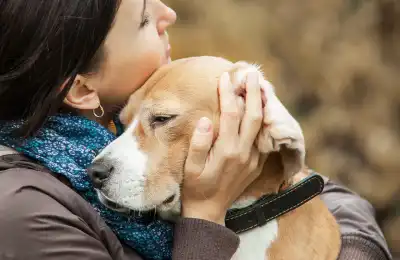
It’s common for bereaved dogs to become more dependent on their humans. They may follow you from room to room, whine when you leave, or panic at being alone. This is their way of seeking security after losing a trusted companion. Gradually build independence with short absences. Leave for just a few minutes and reward calm behaviour when you return. This helps rebuild confidence.
5. Changes in Sleep Patterns
Grieving dogs often experience disrupted sleep. Some may sleep excessively as a way of shutting out the world, while others struggle to settle or wake during the night. Keep bedtime routines consistent: a last walk, a comfortable bed, and perhaps calming music can make sleep easier.
6. Vocalisation
Whining and howling are common symptoms of a grieving dog. These sounds are a form of communication, expressing loneliness, anxiety and a call for comfort. Offer quiet reassurance, gentle touch, or distraction with a toy. Overly fussing may reinforce the behaviour, but ignoring isn’t helpful either.
7. Loss of Interest in Play
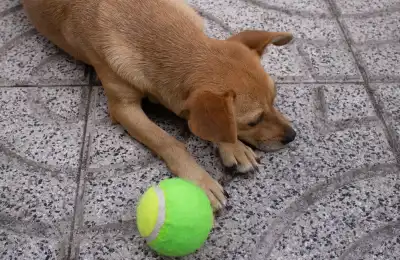
A grieving dog may not want to chase toys or engage in activities they once loved, particularly if those activities were shared with their companion. Introduce new forms of enrichment: puzzle feeders, scent games, or short training sessions. Fresh experiences can stimulate their mind and encourage joy again.
8. Regression in Training
Stress and grief can cause setbacks in house training and obedience. You might notice accidents indoors or behaviour you thought your dog had outgrown. Reinforce training gently without punishment. Consistency, rewards, and encouragement will help them regain their habits.
9. Physical Signs of Stress
Panting, pacing, drooling, and excessive shedding may all point to stress and anxiety. Some dogs may develop digestive issues like diarrhoea. Create a calm environment; limit loud noises, stick to routine, and offer gentle physical activity. If physical symptoms persist, a vet check is essential.
10. Depression-Like Symptoms
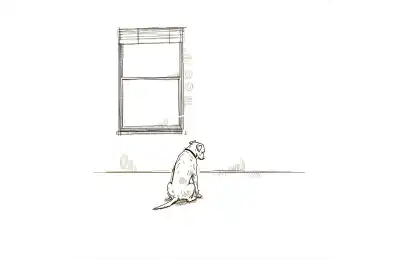
The combination of sadness, low appetite, and lack of interest can resemble depression. Offer affection, provide enrichment, and if symptoms linger beyond a few weeks, seek advice from your vet or a canine behaviourist.
How Long Does a Dog Mourn the Death of Another Dog?
Some dogs adjust within weeks, while others show bereavement for months. Factors include the depth of their bond, their personality, and the support they receive. Just as humans move through grief at different paces, dogs also heal in their own time.
How to Help a Grieving Dog
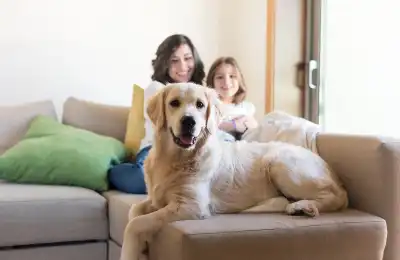
When it comes to supporting a grieving dog, these proven strategies can make a difference:
- Keep Routines Consistent: Regular feeding, walking, and bedtime routines help anchor your dog during emotional upheaval.
- Offer Extra Comfort: Spend quality time with your dog by gently stroking, brushing, or sitting together. Let them guide how much affection they want.
- Encourage Gentle Exercise: Walks in new environments provide stimulation and distraction. Exercise also releases feel-good hormones, which can lift mood.
- Provide Mental Stimulation: Interactive toys, scent games, and training exercises keep the brain engaged, offering both distraction and fulfilment.
- Consider Social Interaction: If your dog enjoys the company of others, arranging playdates with calm, friendly dogs can ease loneliness. However, always respect their comfort levels.
- Seek Professional Support: If dog grieving symptoms persist or worsen, speak to your vet. In some cases, they may suggest working with a canine behaviourist, or in rare instances, discuss whether medication is appropriate. Our Canine Communication Diploma Course can give you the knowledge and skills to interpret your dog’s signals more clearly, helping you to support them with confidence and empathy during times of grief.
Recommended for you!
Best SellersFrequently Asked Questions About Grieving in Dogs
Should I get another dog straight away to keep my bereaved dog company?
It’s tempting to think a new dog will “replace” the lost companion, but introducing another pet too soon can overwhelm a grieving dog. Give your dog time to adjust to life without their companion first. Once they seem more settled, you can consider whether they would enjoy a new friend. Some dogs adapt well to another pet, while others prefer to remain the only dog.
Can older dogs cope with grief differently from younger dogs?
Older dogs may have less resilience and take longer to recover from the loss of a companion. They may also struggle with changes to routine and become more anxious. Younger dogs, while still affected, may adjust more quickly, especially if they have plenty of stimulation and support.
How do I comfort a grieving dog at night?
Providing a familiar blanket, keeping them close to you, or using soft background noise such as calming music can help. A gentle bedtime routine and reassurance before sleep can reduce restlessness and anxiety.
Are there natural remedies that can help a grieving dog?
Some owners find gentle, natural remedies like pheromone diffusers, calming supplements, and herbal products helpful in easing anxiety. Always consult your vet before trying these, to ensure they’re safe and appropriate for your dog.
Do dogs grieve for humans as well as other dogs?
Many dogs show grief when a human family member dies. The signs are similar to when they lose another dog: sadness, searching, vocalisation, and withdrawal. Dogs are highly attuned to our presence, so the loss of a human companion can deeply affect them.
Can dogs sense their owner’s grief?
Dogs are incredibly sensitive to human emotions and can pick up on sadness, stress, and changes in behaviour. If you’re grieving too, your dog may reflect your emotions. Offering each other comfort can be healing for both of you.
When should I seek professional help for my grieving dog?
If your dog’s symptoms of grief last more than a few weeks without improvement, or if they stop eating, lose significant weight, or seem severely depressed, it’s time to seek help. Your vet can check for health problems and, if needed, refer you to a canine behaviourist for tailored support.
Study Our Canine Communication Diploma for £29
If you’d like to deepen your understanding of canine behaviour and emotions, the Canine Communication Diploma Course at Centre of Excellence is an excellent choice. For just £29, you’ll gain knowledge and practical skills to strengthen your bond with your dog and better support them through every stage of life.




