Africa is home to thousands of ethnic groups, each with its own customs. While there’s no single model of a traditional wedding in Africa, many shared values run through different regions. Respect for elders, strong family involvement, ceremonial negotiation, vibrant clothing, music, dance, and symbolic rituals are all central elements.
What’s in This Guide?
This guide explores the deeper cultural meaning behind African wedding traditions, how marriage is understood in different communities, and eight key customs. You’ll also learn about traditional Nigerian wedding dresses and South African wedding attire, alongside clear answers to common questions.
Jump to:
- African Wedding Culture
- 8 African Wedding Customs
- Formal Family Introductions
- Bride Price and Lobola
- Engagement Rituals
- The Traditional Igbo Wedding Ceremony
- Welcoming the Bride
- Symbolic Rituals and Blessings
- Music, Dance, and Celebration
- Distinctive Wedding Attire
- Frequently Asked Questions
- Study Our Wedding Planner Business Diploma for £29
African Wedding Culture
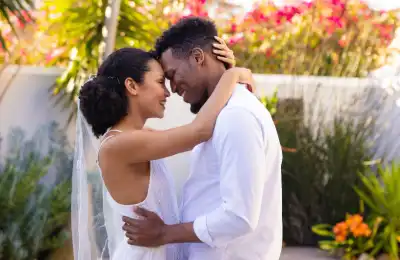
In African culture, marriage is viewed as a union between families and, in some cases, entire clans. This collective approach shapes every stage of the process, from introductions to post-wedding celebrations.
Families are involved in discussions and preparations, and elders offer guidance and blessings. The couple’s relationship becomes part of a wider social structure that provides support and accountability. Marriage also represents continuity, ensuring the extension of family lines and the preservation of heritage.
8 African Wedding Customs
Below are eight meaningful customs that appear in various forms across traditional African weddings.
1. Formal Family Introductions
In many cultures, the marriage process begins with formal introductions between families. Representatives of the groom’s family visit the bride’s family to declare intentions, and these meetings are respectful and structured. This step strengthens mutual understanding and sets the foundation for unity.
In a traditional Igbo wedding, this early stage may include a “knocking” ceremony, where the groom’s family formally asks for permission to proceed.
2. Bride Price and Lobola
Bride price is one of the most recognised African wedding customs, commonly known as lobola in Southern Africa. This involves the groom’s family presenting money, livestock, or gifts to the bride’s family. The practice symbolises appreciation and acknowledges the bride’s upbringing, reinforcing bonds between families.
In South African wedding traditions, lobola negotiations are often handled by elders, emphasising respect and diplomacy.
3. Engagement Rituals
Engagement ceremonies in Africa can be significant events in their own right. In parts of Ethiopia, a milcha wedding refers to a traditional engagement among certain Oromo communities. Families formally agree to the marriage and exchange gifts. Such rituals demonstrate that marriage is a carefully considered union built on family consensus.
4. The Traditional Igbo Wedding Ceremony
The Igbo wedding ceremony includes symbolic acts that reflect unity and respect. One well-known ritual involves the bride carrying a cup of palm wine and identifying her groom among guests. She kneels and offers him the drink as a public sign of acceptance.
The Igbo traditional marriage ceremony also includes the presentation of a marriage list, which outlines requested items from the groom’s family.
5. Welcoming the Bride
In many South African wedding traditions, the bride is formally welcomed into her husband’s family. This may involve rituals at the groom’s family home, where elders bless her and introduce her to ancestors. In a traditional South African wedding ceremony, symbolic acts help mark her transition into a new household.
6. Symbolic Rituals and Blessings
African wedding ceremony traditions often include symbolic rituals that fall into three broad categories: rites of passage, spiritual rituals, and community rituals.
Marriage represents a rite of passage into adulthood. Spiritual elements may involve honouring ancestors, while community rituals strengthen collective bonds. These ceremonies reinforce the idea that marriage carries social and spiritual meaning.
7. Music, Dance, and Celebration
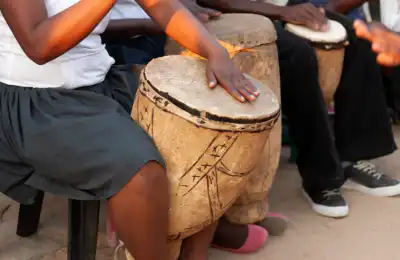
Music and dance are central to traditional African weddings. Drumming patterns may reflect regional heritage, and guests dance in groups, expressing joy and solidarity.
Celebrations can last several hours or multiple days, but the length depends on cultural expectations and family resources. In many cases, pre-wedding events and post-wedding festivities extend the celebration further.
8. Distinctive Wedding Attire
In Nigerian weddings, the traditional Nigerian wedding dress is often elaborate and richly coloured. Bridal attire may include embroidered fabrics, coral beads, head ties, and layered jewellery.
Among the Edo people, the Edo wedding dress is especially striking, often featuring red fabrics and heavy coral bead accessories, reflecting royal heritage. Traditional South African wedding attire includes patterned fabrics and detailed beadwork.
Recommended for you!
Best Sellers







Frequently Asked Questions
Are African weddings religious or traditional?
African weddings can be traditional, religious, or a blend of both. Many couples hold a customary ceremony that reflects their ethnic heritage alongside a church, mosque, or civil ceremony. The traditional element often focuses on family unity and cultural symbolism, while the religious service reflects personal faith.
Do African wedding traditions differ between rural and urban areas?
In rural areas, ceremonies may follow long-standing customs more strictly and include extended rituals. In urban settings, couples sometimes adapt traditions to suit modern lifestyles, time constraints, or mixed cultural backgrounds, while still keeping key symbolic elements.
Is gift-giving important at traditional African weddings?
Gift-giving plays an important role in many communities and is usually seen as a gesture of goodwill and shared responsibility. Families exchange symbolic items during negotiations, and guests may present money, household goods, or practical contributions to support the couple’s new life.
How are elders involved in wedding decisions?
Elders are often respected advisers and mediators. They may lead negotiations, settle disputes, approve agreements, and offer formal blessings. Their involvement reflects the value placed on wisdom and continuity within the community.
Is food important at African weddings?
Food is a central feature of most celebrations, and sharing a generous meal symbolises hospitality and unity. Traditional dishes are often served to reflect regional identity and to honour guests.
Can African wedding traditions be incorporated into modern ceremonies?
Many couples choose to blend traditional customs with contemporary elements. This may include wearing traditional attire for part of the day, incorporating symbolic rituals into a modern venue, or combining cultural music with current styles. This approach allows couples to honour their heritage while expressing their personal story.
Study Our Wedding Planner Business Diploma for £29
If exploring African wedding traditions has inspired you, developing professional skills can help you turn that interest into opportunity. The Wedding Planner Business Diploma Course is available today for the discounted price of £29.
If you would also like to join our learning community, unlock exclusive discounts, and receive expert tips, you can sign up for our mailing list.