The Wunjo rune represents joy, harmony, and a genuine sense of belonging within the Elder Futhark. If you've come across this rune, whether through study, a reading, or a tattoo design, this guide covers what it represents and how it's used.
What's in this Guide?
This guide explains what the Wunjo rune means, its origins and symbolism, and how to interpret it upright and reversed. You'll also find guidance on using Wunjo in readings, bind runes, and everyday practice.
Jump to:
What Does the Wunjo Rune Mean?
Wunjo represents joy, harmony, and fellowship, considered one of the most straightforwardly positive runes in the entire Elder Futhark. It's closely tied to contentment, celebration, and the genuine happiness that comes from feeling connected to others.
When Wunjo appears, it generally signals that a period of genuine happiness or harmony is present or close at hand. Unlike some runes that carry more complex or layered meanings, Wunjo's message is refreshingly direct: good things, and good feelings, are within reach.
Wunjo Rune Origin and Symbolism

The name Wunjo derives from an old Germanic word associated with joy and pleasure, closely related to the Old English word "wynn," which carries a similar meaning. Its shape, resembling a small flag or pennant on a pole, is often interpreted as representing a banner raised in celebration, a visual symbol of shared happiness and community.
Within the structure of the Elder Futhark, Wunjo belongs to Freyr's Aett, the first group of eight runes, associated with growth, abundance, and the physical world. As the final rune in this first group, Wunjo represents the reward and satisfaction that follows the earlier runes' themes of wealth, strength, and communication, a fitting, joyful conclusion to this opening section of the alphabet.
Is Wunjo a Positive Rune?
Wunjo is widely considered one of the most positive runes in the Elder Futhark, with very few negative or challenging interpretations attached to its upright meaning. Its strength lies in its directness, representing genuine contentment and harmony rather than a message that requires careful unpacking.
Because of this, Wunjo is frequently drawn upon for questions relating to happiness, relationships, and general wellbeing, making it one of the most reassuring runes to receive in a reading.
Wunjo Reversed (Merkstave) Meaning
When Wunjo appears reversed, sometimes called its merkstave position, the rune's usual sense of harmony can become disrupted. It may suggest disappointment, disharmony, or a temporary loss of the joy and connection the upright rune represents.
Rather than predicting lasting unhappiness, the reversed Wunjo is often read as a prompt to examine what's disrupting your sense of contentment, whether that's conflict within a relationship, a loss of community, or simply a period where things feel more strained than usual.
Wunjo in Readings

When used in a broader reading alongside other runes, Wunjo tends to bring themes of joy and connection to whatever it's paired with. In a love reading, it can suggest a relationship built on genuine happiness and shared contentment. In a career reading, it often points to a positive, harmonious working environment or a project that brings genuine satisfaction.
As a daily draw, Wunjo is frequently interpreted as encouragement to notice and appreciate the good things already present in your life, rather than searching for happiness elsewhere.
How to Use the Wunjo Rune
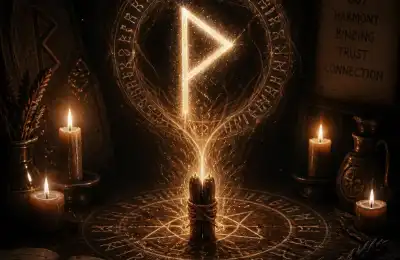
Wunjo is a popular choice for bind runes intended to invite happiness, harmony, or a stronger sense of community into your life, given its clear, positive meaning. It's often combined with other runes to reinforce a specific area of joy or connection.
Gebo is commonly paired with Wunjo in bind runes focused on love and partnership, combining Gebo's themes of reciprocity with Wunjo's genuine joy. Some practitioners also use Wunjo within a galdr, a traditional chanting practice used to invoke a rune's energy aloud, particularly when seeking to restore a sense of happiness or contentment.
Recommended for you!
Best Sellers
Frequently Asked Questions
What Deity Is Wunjo Associated With?
Wunjo isn't tied to one specific god in Norse mythology, though its themes of joy and community connect it loosely to Freyr and Freyja, both associated with fertility, abundance, and wellbeing.
Is Wunjo a Good Tattoo Choice?
Yes, Wunjo is a popular choice for anyone wanting a symbol of joy, harmony, or a meaningful connection to others, particularly given its consistently positive meaning within the Elder Futhark.
How Do You Pronounce Wunjo?
Wunjo is generally pronounced "WOON-yo," derived from its Proto-Germanic origins tied to joy and pleasure.
Is Wunjo the Same as the Anglo-Saxon Wynn?
Wunjo and Wynn are closely related, sharing the same root meaning of joy, though Wynn specifically refers to the equivalent rune within the Anglo-Saxon Futhorc, a related but distinct runic alphabet.
Does Wunjo Have a Reversed Meaning?
Yes, unlike some runes with symmetrical shapes, Wunjo does have a recognised reversed, or merkstave, meaning, generally associated with disharmony or a temporary disruption to happiness.
What's the Best Rune to Pair With Wunjo?
Gebo is one of the most commonly paired runes with Wunjo, particularly for bind runes focused on love, partnership, and shared happiness between two people.
What Element Is Wunjo Associated With?
Wunjo doesn't have one single, universally agreed element, though its themes of community and shared celebration tie it loosely to the element of air within some interpretations.
Study Norse Mythology for £29
If Wunjo has sparked a deeper interest in the runes and the mythology behind them, our Norse Mythology Diploma Course is the perfect next step. You'll explore the gods, myths, and symbolism of the Norse world in far more depth, and for a limited time, you can enrol for just £29.