Planetary returns are often explored by people seeking a better understanding of the recurring themes in their lives. This guide explores planetary returns, helping you understand what they are, why they matter, and how they can support your personal growth.
Jump to:
- What Is a Planetary Return in Astrology?
- Your Solar Return: A Yearly Re-Set
- Your Lunar Return: Monthly Emotional Insight
- Planetary Returns by Planet
- How Planetary Returns Influence Personal Growth
- Using Return Charts and Horoscopes
- How to Work With Planetary Returns
- Frequently Asked Questions
- Study Our Astrology Diploma for £29
What Is a Planetary Return in Astrology?
A planetary return takes place when a planet completes a full journey through the zodiac and arrives once again at the degree and sign it occupied at your birth. Each planet moves at its own speed, so the themes of each return vary widely. A fast-moving planet such as Mercury creates frequent returns, while outer planets like Saturn and Uranus take decades.
As each planet represents different areas of life – communication, emotion, growth, discipline, intuition, transformation – their returns highlight these themes. A return offers commentary on everything from personal development to long-term life direction.
Recommended for you!
Best Sellers





Your Solar Return: A Yearly Re-Set
A solar return takes place once a year, close to your birthday, when the Sun returns to the exact position it held in your natal chart. This moment resets your personal year and outlines the emotional and energetic tone of the months ahead.
The Sun symbolises identity, purpose, direction, and confidence, so this return often serves as a natural checkpoint, encouraging reflection on goals, renewal of motivation, and alignment with personal values.
Your Lunar Return: Monthly Emotional Insight

A lunar return takes place every 28 days, when the Moon returns to its natal position. The Moon governs emotions and inner responses, so this return offers frequent updates on your emotional well-being and personal needs.
Lunar returns help you identify emotional patterns, tune into intuition, and recognise themes connected to home life and relationships. They support regular self-reflection and offer gentle guidance during times of change.
Planetary Returns by Planet
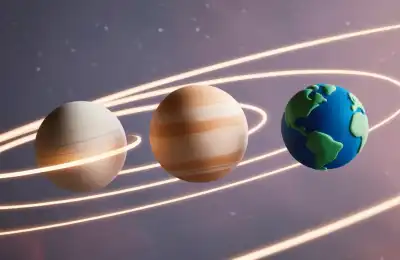
Planetary returns each carry a distinctive tone because every planet governs different aspects of life. Shorter returns influence everyday patterns, while longer cycles tend to shape milestones and periods of personal transformation.
Mercury Return
A Mercury return usually occurs once a year. It highlights communication, thinking styles, learning, planning, and problem-solving. People often feel more mentally focused and ready to reorganise their schedule.
Venus Return
A Venus return takes place roughly every eighteen months. It brings attention to relationships, affection, creativity, beauty, comfort, and personal values. This return often marks a shift in romantic or emotional priorities.
Mars Return
A Mars return occurs approximately every two years. It energises motivation, assertiveness, physical vitality, and personal ambition. This return encourages decisive action and renewed confidence.
Jupiter Return
Saturn Return
A Saturn return takes place around ages 28–30, 56–60, and 84–90. Saturn represents structure, responsibility, stability, boundaries, and life lessons. Its return is widely known for ushering in maturity and significant life restructuring.
Uranus Return
A Uranus return occurs around age 84. Uranus highlights individuality and freedom. This return can inspire change, awakening, and renewed independence.
Neptune Return
A Neptune return only occurs around age 165, so humans do not experience one personally. It influences generations through themes of spirituality, imagination, intuition, and collective ideals.
Pluto Return
A Pluto return takes over 240 years to complete. It shapes societies rather than individuals, influencing themes of transformation and collective regeneration.
How Planetary Returns Influence Personal Growth
Planetary returns create repeating cycles that help you notice patterns and understand significant moments. They support growth by:
- Highlighting emotional or practical themes that need attention.
- Encouraging alignment with personal values.
- Marking transitions, milestones, and turning points.
- Providing structure to long-term personal development.
- Offering clarity during shifting circumstances.
- Reinforcing lessons from previous cycles.
Using Return Charts and Horoscopes

Return charts act as tools for understanding the themes of a specific cycle. These charts are snapshots created for the moment a planet returns to its natal position. They highlight influences that may affect emotions, relationships, career, inner growth, and decision-making during the cycle ahead.
Some people read a horoscope to explore their year, while others prefer using lunar charts for month-to-month emotional guidance. These tools support reflective practice rather than prediction and help create a sense of structure around personal development.
How to Work With Planetary Returns
Planetary returns can be used as supportive anchors throughout life. Helpful ways of working with them include:
- Keeping a journal to notice emotional or practical patterns.
- Reflecting on previous cycles to understand repeating themes.
- Setting intentions during return periods.
- Using return charts to gain perspective without becoming overly reliant on them.
- Observing emotional responses during lunar returns.
- Exploring long-term direction during solar returns.
- Acknowledging personal changes during major cycles.
Frequently Asked Questions
Is a planetary return the same as a transit?
Planetary returns are a specific type of transit. A transit describes any moment when a planet influences your chart, while a return happens only when the planet aligns exactly with its natal position. Returns tend to carry more symbolic weight because they mark the beginning of a new cycle.
Can two people with the same birthday experience their returns differently?
Even people born on the same day can have very different experiences during returns due to differences in their time of birth, rising sign, location, life circumstances, and personal choices.
Are planetary returns used in predictive astrology?
Returns are sometimes used within predictive astrology frameworks, but they are generally seen as symbolic indicators rather than definitive forecasts. They are most effective when used for reflection and planning.
Is it possible to have a difficult planetary return?
Some returns can feel challenging, especially those associated with Saturn or outer planets that highlight restructuring or emotional growth. Challenges during these periods often lead to clarity or long-term stability once the cycle progresses.
Recommended for you!
Best SellersStudy Our Astrology Diploma for £29
Anyone wishing to understand planetary returns, birth charts, transits, and astrological cycles in more depth can explore the Astrology Diploma Course. This online course is designed for learners of all levels, and you can enrol today for the discounted price of £29.