Training a deaf dog may seem like a challenge, especially if you're unsure where to start, but with patience and the right techniques, it’s entirely possible to achieve a strong foundation of communication.
In this guide, we help you navigate the process, offering clear steps to make training enjoyable for both you and your dog.
Jump to:
Recommended for you!
Best Sellers







Recognising Deafness in Dogs
Signs that your dog may be deaf include a lack of response to loud noises, an inability to hear their name being called, and not reacting to typical household sounds like doorbells and car engines. Despite this, deaf dogs can learn just as quickly as those with full hearing; they rely on visual and vibrational cues rather than auditory signals. With the right techniques, they can be well-behaved and obedient.
Training for Deaf Dogs: 4 Key Principles
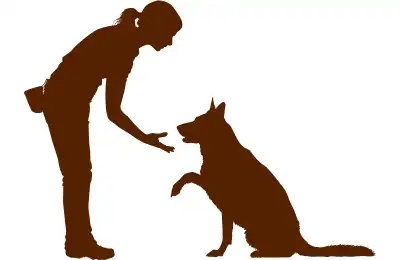
Training a deaf dog involves a combination of consistency and clear communication. Here’s what you need to know to get started:
1. Establish Clear Visual Communication
Since deaf dogs cannot hear verbal commands, you’ll need to use visual cues. This can be achieved through hand signals and body language. These hand commands can be easily taught and understood once your dog associates each signal with a specific action.
Start by teaching basic hand signals for dogs, such as:
You can create your own hand signals for deaf dogs, but consistency is key. Once your dog learns a signal, always use the same one for that command.
2. Sign Language for Dogs Training
Some people choose to teach their deaf dogs basic sign language. While this involves more intricate hand movements, it’s a great way to communicate with your dog. Teaching your dog sign language may take more time, but it can enhance your communication and strengthen your bond.
3. Use Positive Reinforcement
Just like with hearing dogs, positive reinforcement works wonders with deaf dogs. When your dog responds correctly to a hand signal, offer praise or a treat. This will help them make the connection between the action and the reward, reinforcing the behaviour.
4. Consistency is Key
Deaf dogs, like all dogs, thrive on consistency. Set clear expectations and stick to the same hand signals and training routines. This will help your dog understand what is expected of them and improve their response over time.
Tools Used to Train Deaf Dogs

Training a deaf dog may require a few different tools to help make communication clearer and more effective. Here are some tools that can be useful:
- Vibrating collars: A vibrating collar can be set to emit a vibration to get your dog’s attention, and you can combine the vibration with a hand signal to reinforce the command. Be sure to choose a collar that is comfortable and safe for your dog.
- Dog whistle: While deaf dogs can’t hear the sound, the whistle can be used as a tool to grab their attention before giving a hand signal.
- Torch / Flashlight: For nighttime training, using a torch (flashlight) can be a great way to catch your dog’s attention. You can use the light as a signal before issuing a command.
- Training treats: As with any dog training, having treats on hand to reward good behaviour is essential.
Socialisation for Deaf Dogs

Socialisation is important for all dogs, but it requires special consideration for deaf dogs. Without the ability to hear, they may miss out on some social cues from other dogs or people, which could lead to anxiety or behavioural issues. Gradually introduce your dog to new people, pets, and environments in a controlled manner. Use hand signals to establish boundaries and ensure that your dog feels comfortable and confident in new situations.
How to Handle Emergency Situations with a Deaf Dog
It’s always helpful to have a plan in case of emergencies, as deaf dogs can’t hear alarms and sirens. Make sure your dog is trained to respond to visual signals or touch cues in case of a fire, intruder, and other emergencies. This could involve using a flashlight to signal an emergency or teaching your dog specific commands related to safety.
Recommended for you!
Best SellersFrequently Asked Questions
How Do You Discipline a Deaf Dog?
Disciplining a deaf dog is much like disciplining a hearing dog: focus on positive reinforcement and consistency. If your dog does something undesirable, redirect them with a hand signal or body movement. Never use harsh methods; instead, calmly guide your dog to understand what is expected of them.
Should You Still Talk to a Deaf Dog?
Even though your deaf dog cannot hear you, talking to them can still be comforting. Your voice reassures them and can become a part of your overall body language. When training a deaf dog, you’ll primarily rely on hand signals, but don’t forget to continue offering verbal praise or simply speaking to your dog in a calm, soothing manner.
Can deaf dogs be left alone?
Deaf dogs can be left alone, but they may have a harder time adjusting to being alone compared to hearing dogs. Create a safe, quiet environment for them and gradually increase the time they spend alone. Make sure they have a comfortable space, and consider using visual or vibrating tools to check in on them.
How do I train a deaf puppy?
Training a deaf puppy is very similar to training an older deaf dog, but with a bit more patience and consistency. Start early with basic hand signals, and use positive reinforcement to reward correct behaviour. Deaf puppies can quickly adapt to visual and vibrational cues, just like their hearing counterparts, so focus on clear communication and repeat commands often to reinforce learning.
What should I do if my deaf dog seems confused or anxious during training?
If your dog seems confused or anxious, take a step back and re-evaluate your training approach. Keep your sessions short and positive, and make sure that your dog is comfortable. It’s essential to create a calm, reassuring atmosphere. If necessary, break down the training into smaller steps and gradually increase difficulty.
How long does it take to train a deaf dog?
The time it takes to train a deaf dog depends on the individual dog and the consistency of the training. Some dogs may pick up hand signals quickly, while others might need more time. On average, it may take several weeks or months to establish a solid routine, but with consistent effort and positive reinforcement, you’ll see progress.
Study Our Dog Training Diploma for £29
If you’re eager to learn more about dog training and improve your skills, consider enrolling in our Dog Training Diploma Course at Centre of Excellence. With expert guidance and practical advice, this course will help you master the art of training dogs, including those with special needs like deafness. And for a limited time, you can get the course for just £29!