When you think about your favourite books, films or plays, what usually sticks with you? Chances are, it’s the characters facing challenges, the struggles that test them, and the decisions they must make. These struggles are what we call conflicts in literature, and they’re at the heart of storytelling.
Without conflict, stories would feel flat and uneventful. In this article, we explore the seven main types of conflict you’ll come across in literature, so you can start seeing stories in a whole new light.
Jump to:
- 7 Types of Conflict in Literature
- Man vs Man Conflict
- Man vs Self Conflict (Internal Conflict)
- Man vs Nature Conflict
- Man vs Society Conflict
- Man vs Technology Conflict
- Man vs Supernatural Conflict
- Man vs Fate Conflict
- Why Understanding Conflict Matters
- Frequently Asked Questions
- Study Our Novel Writing Diploma for £29
Recommended for you!
Best Sellers






7 Types of Conflict in Literature
There are seven major types of conflict that writers and readers often talk about. Each one focuses on a different source of struggle, whether it’s within a character, between people, or against the forces of nature and society. These conflict types are:
- Man vs Man
- Man vs Self
- Man vs Nature
- Man vs Society
- Man vs Technology
- Man vs Supernatural
- Man vs Fate
1. Man vs Man Conflict
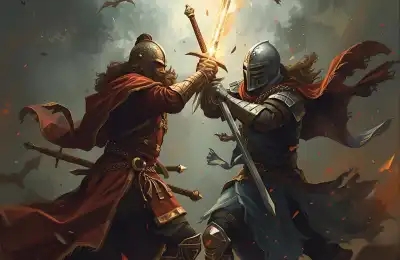
The man vs man conflict is the most recognisable because it’s rooted in human relationships. It’s one character directly opposing another, usually with clashing goals, values or desires. The simplest way to think of it is: one person wants something, and another person stands in their way.
Classic examples include Sherlock Holmes facing off against Moriarty, Harry Potter against Voldemort, or Elizabeth Bennet standing her ground against Mr Darcy in Pride and Prejudice. While not always villain versus hero, these conflicts gain power from the personal stakes involved. Rivalries, family feuds, and friendships pushed to the limit fall into this category.
Advice for writers:
- Make sure both sides have believable motivations. A weak or one-dimensional antagonist can make the conflict feel hollow.
- Raise the stakes. What happens if one side wins? What is at risk if they lose?
- Don’t be afraid to blur the line between hero and villain; the most gripping conflicts in stories often occur when both sides have valid reasons for their actions.
2. Man vs Self Conflict (Internal Conflict)
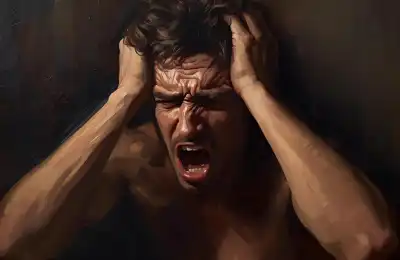
The man vs self conflict is often the most emotionally intense because it happens inside the character’s own mind. Known as internal conflict, it revolves around fear, guilt, doubt, or moral dilemmas. In these situations, the character becomes their own biggest obstacle.
Famous examples include Hamlet, whose hesitation and self-doubt delay his actions, or Frodo in The Lord of the Rings, who constantly wrestles with the Ring’s corrupting power. Modern examples often explore characters torn between duty and desire, or struggling with past mistakes.
Advice for writers:
- Use inner conflict to deepen character development; it reveals what matters most to them.
- Show the struggle through action as well as thought. A character might hesitate before speaking, sabotage their own success, or run away from choices.
- Internal conflict works best when it connects to external stakes: the character’s inner battle should affect the outcome of the story.
3. Man vs Nature Conflict
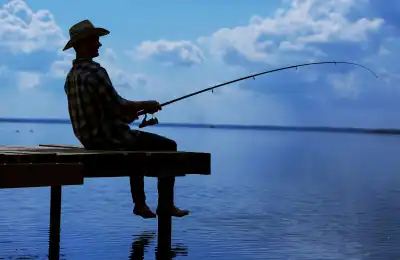
The man vs nature conflict highlights the battle between humans and the natural world. This could involve storms, wild animals, harsh landscapes, or survival against the odds.
In Hemingway’s The Old Man and the Sea, Santiago wrestles with the sea and a giant marlin, symbolising both physical endurance and spiritual struggle. In Life of Pi, Pi fights hunger, fear, and the elements while stranded at sea with a tiger. This type of conflict explores themes of survival, human resilience, and humility in the face of forces far greater than us.
Advice for writers:
- Nature should feel unpredictable and indifferent. Unlike villains, storms or deserts don’t plot against the character; they simply exist.
- Focus on sensory detail: the heat of the sun, the roar of the wind, the silence of the wilderness. These details immerse readers in the struggle.
- Use nature symbolically. Survival against the wilderness can mirror a character’s internal struggle, making the story richer.
4. Man vs Society Conflict
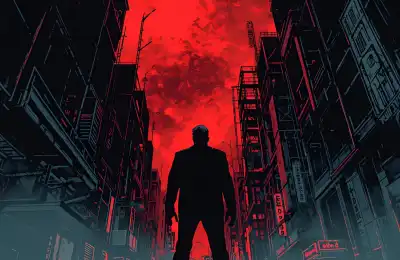
The man vs society conflict emerges when a character resists the rules, traditions, or expectations of the world around them. It often challenges social norms, political systems, or cultural pressures.
In George Orwell’s 1984, Winston Smith rebels against a controlling government. In Suzanne Collins’ The Hunger Games, Katniss challenges the oppressive Capitol. Jane Eyre also resists Victorian expectations by demanding independence and respect. This conflict resonates because it mirrors real-world struggles for justice and equality.
Advice for writers:
- Make the stakes personal. Even when the conflict is against a whole system, the impact on the character’s everyday life should be clear.
- Show both sides. The society might see itself as fair or necessary, even while the character sees it as oppressive.
- Consider how victory or defeat will reshape the character. Will they change the system, or will the system change them?
5. Man vs Technology Conflict
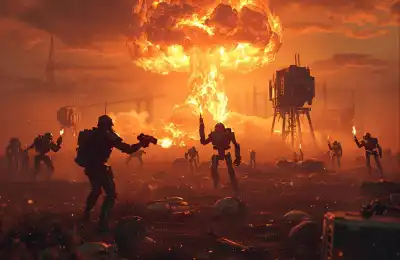
The man vs technology conflict explores the tension between humans and their inventions. It often questions whether we can control the tools we create, or whether they’ll eventually control us.
Classic examples include Mary Shelley’s Frankenstein, where Victor Frankenstein’s creation turns against him, or more modern tales like The Terminator and Ex Machina, which ask what happens when machines become too intelligent. These stories reflect both our reliance on and fear of technology, raising questions about ethics, responsibility, and the pace of progress.
Advice for writers:
- Think about your theme. Is technology shown as dangerous, helpful, or ambiguous?
- Create clear stakes. Does technology threaten lives, freedom, or humanity itself?
- Balance realism with imagination. Even far-fetched technology should have rules and logic that make sense within your story.
6. Man vs Supernatural Conflict
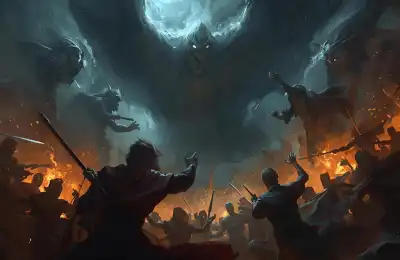
The man vs supernatural conflict introduces ghosts, gods, monsters, or magical forces. It blends the real with the unreal, creating dramatic and high-stakes struggles.
In The Odyssey, Odysseus faces mythical creatures and the will of the gods. In The Lord of the Rings, Frodo and his companions resist the overwhelming power of Sauron’s magic. In horror stories like The Shining, characters face terrifying supernatural forces that test their sanity. This type of conflict not only entertains but also explores deep questions about fear, belief, and what lies beyond human understanding.
Advice for writers:
7. Man vs Fate Conflict
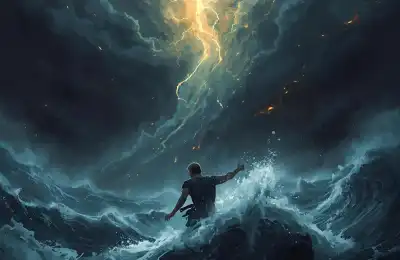
The man vs fate conflict (also called man vs destiny) pits characters against what seems inevitable. The struggle often revolves around prophecies, curses, or destiny.
In Oedipus Rex, Oedipus tries to avoid a prophecy, only to fulfil it through his very actions. In modern stories, characters might fight against time, destiny, or seemingly unchangeable outcomes, such as in Final Destination. This conflict examines whether humans have free will or whether some outcomes are pre-written.
Advice for writers:
- Use fate to build tension. Readers should feel the weight of inevitability pressing on the character.
- Show how the character reacts: do they resist, surrender, or reinterpret their fate?
- Consider irony. Fate-driven stories often twist expectations by making the character’s efforts to avoid destiny lead to its fulfilment.
Why Understanding Conflict Matters
Conflict creates tension, drives the plot forward, and allows readers to connect deeply with characters. For writers, understanding conflicts in stories is especially useful. By recognising the different sources of struggle, you can add depth and meaning to your own work. You’ll be able to create characters who feel real, because they face challenges that test who they are and what they believe.
Recommended for you!
Best SellersFrequently Asked Questions
Why is conflict important in a story?
Conflict is what gives a story momentum. Without it, characters would have no obstacles to overcome, and readers would quickly lose interest. By introducing challenges, writers create tension, excitement, and emotional investment. Conflict allows characters to grow, learn, and reveal their true selves.
Can a story have more than one type of conflict?
The most memorable stories often weave together different types of conflicts. For example, a hero might be battling an enemy (man vs man) while also questioning their own courage (man vs self) and resisting unfair laws (man vs society). Combining different types of conflict adds depth and complexity, making stories feel more real and layered.
Are internal and external conflicts always separate?
Internal conflict often drives external conflict, and the two can be closely connected. For instance, a character’s fear of failure (internal conflict) might cause them to clash with others (external conflict). Blending the two creates richer storytelling and gives readers multiple layers to explore.
How do I choose which conflict to use in my novel?
Think about what matters most to your characters. What do they want? What stands in their way? If the obstacle is another person, you’ll lean towards man vs man conflict. If it’s their own fears or doubts, you’re looking at self-conflict. Many writers start with one main conflict type, then add smaller supporting ones to strengthen the story.
Can everyday life conflicts work in literature?
Everyday struggles, such as disagreements with family, work-related stress, or making difficult choices, can be just as compelling if written well. These relatable conflicts help readers see themselves in the story and connect more deeply with the characters.
Do all stories need conflict?
Most stories need conflict because conflict creates tension and keeps readers engaged. However, the conflict doesn’t always have to be intense or dramatic. In quieter stories, conflict can be subtle, such as a character learning to accept themselves or working through a difficult relationship. Even in gentle tales, a lack of conflict often makes the narrative feel flat.
Study Our Novel Writing Diploma for £29
Whether you’re reading to understand literature more deeply or writing your own story, knowing these conflicts can transform the way you think about narrative. If you’re ready to take your storytelling further, why not explore the Novel Writing Diploma Course with Centre of Excellence? For just £29, you’ll gain practical skills, inspiration, and support to craft stories full of depth, tension, and unforgettable characters.