If you’ve ever watched a film or read a book and found yourself sympathising with the “bad guy” or questioning whether the “good guy” is really all that noble, you’re not alone. Characters today are no longer painted in black and white. The most compelling stories are filled with shades of grey, and this is where anti-heroes and anti-villains come in.
Understanding the difference between these two character types can transform the way you engage with storytelling.
Jump to:
- What Is an Anti-Hero?
- What Is an Anti-Villain?
- What’s the Difference Between Anti-Villains and Anti-Heroes?
- How Do You Write a Convincing Anti-Villain?
- How Do You Write a Convincing Anti-Hero?
- Why Do We Love These Characters?
- Frequently Asked Questions About Anti-Heroes and Anti-Villains
- Study Our Novel Writing Diploma for £29
Recommended for you!
Best Sellers







What is an Anti-Hero?
The term anti-hero can be a little confusing. It might sound like someone who’s nearly a hero, but in truth, they’re far from the traditional heroic type.
An anti-hero is a main character who doesn’t show the usual heroic traits like bravery, high moral standards, or idealism. Instead, they’re often flawed, conflicted, and morally grey. They might make the right choice, but for the wrong reasons, like revenge, personal gain, or survival.
Unlike classic heroes who are honourable and selfless, anti-heroes can be selfish, dishonest, or even violent. They might cheat, lie, or kill, yet we still find ourselves rooting for them, because we understand where they’re coming from. Their struggles feel human, and their motives, however questionable, often strike a chord with us.
Anti-Hero Examples:
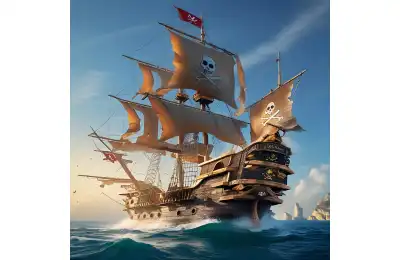
- Jack Sparrow (Pirates of the Caribbean): A self-serving pirate who occasionally helps others, when it benefits him.
- Batman (The Dark Knight trilogy): A vigilante who fights crime using fear, intimidation, and questionable methods.
- Tony Soprano (The Sopranos): A mob boss struggling with anxiety and family life.
- Deadpool (Marvel): A sarcastic, violent mercenary who occasionally does the right thing.
- John Wick (John Wick series): A hitman driven by vengeance and grief.
These anti-heroes challenge our ideas of what a protagonist should be. They might not be good people, but they’re deeply human.
What is an Anti-Villain?
If anti-heroes are characters who do the right thing for the wrong reasons, anti-villains are the opposite; they do the wrong thing, but for reasons that seem right.
An anti-villain is usually the antagonist of the story, but they aren’t purely evil. In fact, they often have noble intentions, admirable qualities, and motivations we can sympathise with. They might stand in the hero’s way, but not because they enjoy causing harm; they genuinely believe they’re doing the right thing.
What makes anti-villains so interesting is their depth. Their actions may be damaging or even dangerous, but their reasons are often understandable. They might think they’re saving the world, correcting an injustice, or protecting someone they care about.
Anti-Villain Examples:

- Thanos (Avengers): Believes wiping out half the universe will restore balance.
- Magneto (X-Men): A Holocaust survivor who fights to protect mutants, even through violence.
- Darth Vader (Star Wars): Falls into darkness but ultimately shows regret and redemption.
- Sweeney Todd (Sweeney Todd): Seeks revenge for injustice, but through murderous means.
- Inspector Javert (Les Misérables): Relentlessly enforces the law, believing justice must come before mercy.
In these anti-villain examples, we see people who are torn, who might be heroes in their own minds, or could have been, under different circumstances.
What’s the Difference Between Anti-Villains and Anti-Heroes?
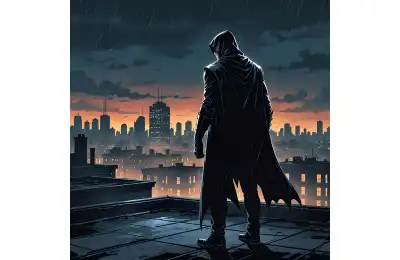
When comparing anti-villains and anti-heroes, it’s helpful to focus on three main aspects: motivation, morality, and their role in the story.
The motivation behind an anti-hero’s actions is often selfish or deeply personal. They might act out of revenge, survival, or a desire to protect themselves or a loved one, rather than for any noble cause. On the other hand, anti-villains are usually driven by noble or idealistic goals. They may genuinely want to make the world a better place, right a wrong, or fight for justice, but the way they go about it is misguided or harmful.
When it comes to methods, anti-heroes often operate in morally grey or questionable ways; they might break the law, hurt others, or use deception to get what they want. In contrast, anti-villains commit actions that are clearly harmful or wrong, but their intent is often sincere or even noble. They believe they’re doing the right thing, even if their actions suggest otherwise.
How Do You Write a Convincing Anti-Villain?
A strong anti-villain needs a believable and even relatable goal. Their actions might be harsh or extreme, but if their reasoning is logical or rooted in trauma, injustice, or idealism, the audience will understand them. It’s all about balance; make them too evil and they become a standard villain, too kind, and they lose tension. The tension lies in the fact that we understand why they do what they do, even if we disagree with how.
How Do You Write a Convincing Anti-Hero?

Start with a flawed but relatable character, someone driven by personal motives like revenge, survival, or protection, rather than noble ideals. Their morality should be murky; they can lie, break the law, or act selfishly, but they must remain emotionally engaging. Show internal conflict, moments of vulnerability, and give them just enough redeeming qualities to keep readers rooting for them. Let their actions drive the story, and don’t be afraid to let them stumble, regress, or challenge readers’ expectations. Their complexity is what makes them captivating.
Why Do We Love These Characters?
Both anti-heroes and anti-villains resonate because they reflect real human struggles. We all have conflicting emotions, imperfect motivations, and complicated decisions. Watching these characters fight their inner battles makes them feel more authentic. They make you think. They challenge your morals, and they stay with you long after the story ends.
Recommended for you!
Best SellersFrequently Asked Questions About Anti-Heroes and Anti-Villains
Can an anti-hero become a villain?
If an anti-hero continues to make increasingly harmful or selfish choices without remorse, they can cross the line into full villain territory. It often depends on how their character arc develops and how far they’re willing to go. Some stories explore this transformation, deliberately showing how thin the line between hero and villain can be.
Can a character be both an anti-hero and an anti-villain?
A character might begin as an anti-hero and, through certain choices or changes in motivation, become an anti-villain, or vice versa. These shifts tend to happen over the course of a story, reflecting internal conflict or a change in goals.
Can a story have both an anti-hero and an anti-villain?
Putting a morally grey protagonist against a morally justified antagonist makes the conflict more nuanced and thought-provoking. It blurs the lines of good vs evil and often leaves the audience questioning who was truly right.
Why are anti-heroes and anti-villains so popular in modern storytelling?
Audiences today are drawn to morally complex characters because they reflect real human experiences. We don’t always fit neatly into categories of “good” or “bad” in real life, and these characters mirror that. They make stories feel more authentic, unpredictable, and emotionally resonant.
Are anti-heroes always violent?
While many famous anti-heroes are known for their violent tendencies (think Deadpool or John Wick), violence isn’t a requirement. Some anti-heroes challenge authority, break rules, or manipulate situations to achieve their goals without resorting to physical harm. What defines them is their unconventional and morally grey approach.
Study Our Novel Writing Diploma for £29
Want to Write Your Own Anti-Hero or Anti-Villain? Now that you’ve explored these characters in detail, you might feel inspired to add them to your own stories. If you’re ready to learn more about the craft of storytelling, character development, and plotting techniques, the Novel Writing Diploma Course at the Centre of Excellence is the perfect next step. The course is designed for writers of all levels and covers every stage of writing a novel, from initial idea to final polish. For a limited time, you can enrol for a discounted price of £29!