If you're interested in storytelling, you've probably come across terms like static character and dynamic character. But what do they actually mean? Why do writers use them? And more importantly, how do they affect the way we experience a story?
Understanding the difference between static and dynamic characters can help you read more deeply, write more convincingly, and appreciate the craft of storytelling on a whole new level. We’ll look at what these terms mean in everyday language so you can understand and use them with confidence.
Jump to:
Recommended for you!
Best Sellers







What Is a Dynamic Character?
A dynamic character is someone who changes throughout the course of a story. These changes are usually internal, such as shifts in beliefs, personality, attitude, or understanding. This evolution is often the result of key events, challenges, or personal revelations that shape who they are.
Dynamic characters often face conflicts that push them to their limits. They learn, grow, and are different by the end of the story compared to how they were at the beginning. This doesn’t mean they switch from “bad” to “good” (or vice versa); the change could be subtle but still meaningful.
Example of a Dynamic Character

Think of Shrek from the animated film series. He’s definitely a dynamic example. He starts as a grumpy, isolated ogre who shuns others. But over time, through love and friendship, he softens, opens up emotionally, and embraces community and vulnerability. That’s dynamic characterisation at its finest.
What Is a Static Character?
In contrast, a static character remains essentially the same throughout the story. They don’t undergo significant internal development or change in perspective. That’s not to say they’re boring or unimportant. In fact, static characters often play a vital role in highlighting the transformation of dynamic ones.
A static character is consistent, unwavering, and usually embodies a set of traits or values that remain fixed. Their steadiness can offer balance or serve as a foil to characters who do change.
Example of a Static Character

A classic example of a static character is Sherlock Holmes. Across numerous stories, Holmes remains the same logical, eccentric detective. His brilliance doesn’t fade or evolve dramatically, and readers find comfort in his consistency. He is a textbook static character, and a beloved one at that.
Why Do Writers Use Static and Dynamic Characters?
Both types of characters serve specific storytelling purposes. Let’s look at how and why writers use them:
Dynamic Characters: Driving the Narrative
A dynamic character often carries the emotional and thematic weight of a story. Their transformation reflects the lessons, morals, or conflicts the writer wants to explore. You, as the reader, often walk alongside them on their journey, feeling their growth as your own. Think of dynamic characters like Harry Potter or Elizabeth Bennet from Pride and Prejudice. Their journeys shape the reader’s experience.
Static Characters: Anchoring the Story
Static characters are equally valuable. They offer contrast and consistency, and help define the world of the story by providing fixed perspectives. Think of Dobby from Harry Potter, who remains loyal and kind to the end. Or Atticus Finch in To Kill a Mockingbird, who embodies moral integrity from start to finish. Writers use static characters to highlight change in others, enforce themes, or challenge reader assumptions through their unwavering nature.
Static vs Dynamic Characteristics
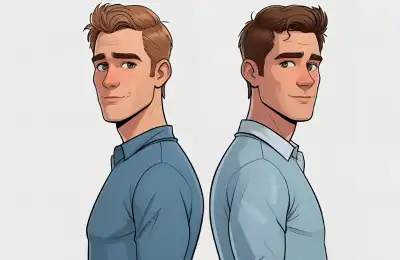
It helps to think of static and dynamic characteristics as referring to personality traits and how they function across time. A dynamic character’s traits evolve, often shaped by conflict or learning. A static character’s traits are consistent and usually represent a clear worldview, belief system, or personality type that doesn't change.
Let’s take a look at some popular characters and see whether they fall into the static or dynamic category.
Is Jay Gatsby Static or Dynamic?
This one sparks debate. Jay Gatsby, from The Great Gatsby, is mostly static. He’s utterly committed to his dream of rekindling his romance with Daisy, and that obsession defines him throughout. Despite the events around him, Gatsby doesn’t grow or change. He’s fixated, and that’s precisely what leads to his downfall.
Is Katniss Everdeen Static or Dynamic?
Katniss, from The Hunger Games, is definitely a dynamic character. She starts out focused solely on survival and protecting her family, but by the end, she becomes a symbol of rebellion and political resistance. Her perspective on authority, violence, and sacrifice shifts dramatically.
Is Scar Static or Dynamic?
Scar, from The Lion King, is a static character. From the beginning, he is manipulative, power-hungry, and jealous. He remains committed to maintaining control at any cost, never reflecting on or regretting his actions. His lack of personal growth leads to his eventual downfall, which is typical of static antagonists.
Is Frodo Baggins Static or Dynamic?
Frodo Baggins, from The Lord of the Rings, is a dynamic character. Though he starts as a modest and hesitant hobbit, the burdens of the ring and the harsh realities of his journey change him deeply. By the end, he is wiser, more solemn, and marked by trauma, illustrating a profound internal transformation.
How to Write Static and Dynamic Characters Effectively

If you're working on your own novel or short story, it's helpful to think deliberately about how you use character types.
Tips for Writing Dynamic Characters:
- Give them clear goals, flaws, and fears.
- Challenge their worldview through plot events.
- Show gradual, believable growth (not sudden changes).
- Let their choices drive the plot.
Tips for Writing Static Characters:
- Make their traits bold and consistent.
- Use them to contrast the changing world or the protagonist.
- Ensure they’re still emotionally resonant or symbolically important.
- Keep them active in the story, consistency doesn't mean passivity.
Recommended for you!
Best SellersFrequently Asked Questions About Static and Dynamic Characters
Can a character be both static and dynamic?
A character is typically considered either static or dynamic, depending on whether they experience meaningful internal change. However, some characters may appear to grow but actually return to their original state by the end; these are sometimes debated by readers. In general, if a character ends the story with the same core beliefs or attitudes they started with, they are considered static.
Are all protagonists dynamic characters?
While many protagonists are dynamic because they go through a journey of growth, some main characters are static. Their strength often lies in their consistency, especially when the world around them is changing. For example, many superheroes like James Bond or Indiana Jones stay largely the same across stories, yet remain compelling as leads.
Can a minor character be dynamic?
While it's more common for main characters to be dynamic, minor characters can also change in meaningful ways. A well-crafted side character who learns something or changes their perspective can add emotional depth and realism to a story. These changes may be smaller but still impactful.
Why would a writer choose to keep a character static?
Writers might keep a character static to serve a specific narrative or thematic purpose. A static character can:
- Act as a symbol (e.g. representing tradition or morality).
- Offer stability in a chaotic world.
- Serve as a mirror or foil to a dynamic character’s growth.
- Their unchanging nature can actually make the changes around them stand out more vividly.
Can a villain be a dynamic character?
Some of the most compelling villains are dynamic. Think of Darth Vader in Star Wars or Severus Snape in Harry Potter. Their arcs involve transformation, remorse, or revelations. A dynamic villain can add complexity and emotional depth to the story, especially when their journey parallels or contrasts with the protagonist's.
How can I tell if a character is dynamic when reading a novel?
Look for signs of internal change, shifts in their beliefs, motivations, relationships, or how they view themselves or the world. Ask yourself:
- Do they make different choices by the end?
- Have their values or priorities evolved?
- Do they reflect on their experiences?
If the answer is yes, you’re likely looking at a dynamic character.
Study Our Novel Writing Diploma for £29
Now that you’ve explored static and dynamic characters in detail, you might feel inspired to apply it to your own stories. If you’re ready to learn more about the craft of storytelling, character development, and plotting techniques, the Novel Writing Diploma Course at the Centre of Excellence is the perfect next step. The course is designed for writers of all levels and covers every stage of writing a novel, from initial idea to final polish. For a limited time, you can enrol for a discounted price of £29!