The colour pink is more complex than it first appears, carrying layers of meaning shaped by psychology, culture, history, and personal experience. Exploring the psychology and symbolism of colour helps explain how shades like pink influence emotions, behaviour, and the way the world is perceived.
What’s in This Guide?
This guide explains the meaning of the colour pink, how pink colour theory works, and what pink represents psychologically and spiritually. You will also learn about pink personality traits, hidden and negative meanings, and how pink influences mood and behaviour.
Jump to:
- The Meaning of the Colour Pink
- Pink Colour Theory Explained
- The Psychology of the Colour Pink
- The Symbolism of the Colour Pink Across Cultures
- What Does Pink Represent Spiritually?
- Pink Personality Traits
- Hidden and Negative Meanings of Pink
- Frequently Asked Questions
- Study Our Colour Theory Diploma for £29
The Meaning of the Colour Pink
Pink softens the intensity of red, transforming strong emotional energy into something gentler and more reassuring. This balance between strength and softness gives pink its distinctive emotional character and explains why it is so often associated with care and connection.
- Softness and emotional warmth: The colour pink is closely linked to gentleness and comfort. It creates a sense of warmth that feels calming and supportive.
- Affection, kindness, and compassion: Pink represents caring emotions, including empathy and kindness. It encourages emotional openness and a considerate approach to relationships.
- Love expressed through tenderness: Pink symbolises love in a softer form than red, focusing on closeness and tenderness rather than intensity and passion.
- Innocence and youthfulness: Pink is often associated with purity and playfulness, particularly in lighter shades that reflect a sense of youth and simplicity.
- Emotional safety and approachability: Pink feels welcoming and non-threatening. It promotes emotional ease, making people feel comfortable and at peace in their surroundings.
Recommended for you!
Best Sellers







Pink Colour Theory Explained
Pink is created by combining red with white. Red brings energy and intensity, while white adds calmness and purity. Together, they form a colour that balances emotional strength with gentleness, giving pink its distinctive emotional tone.
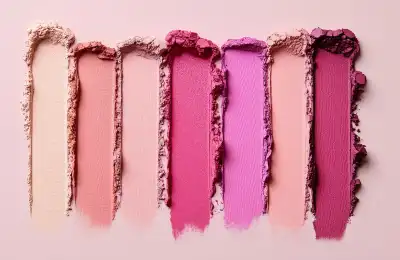
Softer, lighter shades of pink are often associated with calmness and reassurance, creating a sense of comfort and nurturing energy. Brighter pinks, such as hot pink and fuchsia, retain more of red’s intensity and therefore feel bolder and more expressive. Muted or dusty pinks tend to feel more mature and grounded.
From a colour theory perspective, pink is effective because it softens emotional impact while still drawing attention. It stands out without creating stress, which explains why pink is widely used in design, branding, and wellbeing environments.
The Psychology of the Colour Pink
Psychology suggests that the colour pink has a calming influence, particularly in softer shades. It’s often associated with reduced feelings of anger and increased feelings of comfort and emotional safety.
From a psychological viewpoint, the colour pink has the ability to encourage emotional expression, helping people feel more open and connected. Brighter pinks can boost energy and confidence, while lighter tones promote relaxation and reassurance.
The Symbolism of the Colour Pink Across Cultures
The symbolism of the colour pink has shifted over time and varies across cultures, giving the colour a flexible and evolving meaning.
- Historical perspectives: In earlier societies, pink was not strongly tied to gender, and its meaning was shaped more by its relationship to red than by social expectations.
- Western cultures: Pink is often associated with romance and emotional sensitivity, which explains its frequent use in products and spaces designed to feel comforting or supportive.
- Eastern and global cultural meanings: Pink is linked with celebration, optimism, and positive life events. It may symbolise joy and renewal, particularly when used in festivals and clothing.

What Does Pink Represent Spiritually?
Pink is often linked to the heart chakra, symbolising emotional balance and the ability to give and receive love. While green is traditionally associated with the heart chakra, pink is seen as an expression of its softer, more compassionate qualities. In angelic symbolism, pink is commonly connected with Archangel Chamuel, whose energy centres on love and emotional peace.
Pink Personality Traits
Although colour preferences are shaped by personal experience, psychology links a fondness for pink with certain emotional and behavioural tendencies, including:
- Emotional sensitivity.
- Kindness and compassion.
- A desire for emotional connection.
- Creativity and imagination.
- An appreciation for emotional safety.
- Strength expressed through gentleness.

Hidden and Negative Meanings of Pink
While pink is often viewed positively, it can also carry hidden and negative meanings depending on context. In excess, pink may symbolise over-sensitivity, avoidance of conflict, or emotional dependence.
Some negative traits associated with pink include idealism that ignores reality or a tendency to prioritise emotional comfort over necessary challenges.
Frequently Asked Questions
Does pink affect people differently depending on age or background?
Personal experiences, cultural influences, and social conditioning all shape how people respond to pink. While some people associate pink with comfort and warmth, others may see it as expressive and playful based on their upbringing and environment.
Can pink influence decision-making or behaviour?
Colour can subtly influence emotions, which may in turn affect behaviour. Pink’s association with gentleness and approachability can encourage openness and reduce tension, particularly in environments designed to feel supportive or welcoming.
Is pink considered a professional colour?
Pink can be professional when used thoughtfully. Softer or muted pinks are commonly used in workspaces and branding to create warmth and approachability without feeling distracting and overly informal.
Does the meaning of pink change over time?
The symbolism of pink continues to evolve alongside social values and cultural trends. As attitudes shift, pink has increasingly come to represent individuality and confidence rather than narrow or fixed associations.
Can using pink intentionally improve emotional well-being?
While colour alone does not determine emotional health, using colours that feel comforting and uplifting can support emotional balance. Pink is often chosen for its ability to promote a sense of calm and emotional ease.
Recommended for you!
Best SellersStudy Our Colour Theory Diploma for £29
If you want to understand colour with confidence and use it more intentionally, the Colour Theory Diploma Course offers a supportive and engaging next step. You can currently enrol for a discounted price of £29.
If you would also like to join our learning community, unlock exclusive discounts, and receive expert tips, you can sign up for our mailing list.