Overbaking is one of the most common issues in home baking. The good news is that it is easy to spot once you know what to look for, and in many cases, you can still rescue or repurpose the cake.
What’s in This Guide?
In this guide, you’ll learn what an overcooked cake looks like, what happens when cake is overcooked, how to fix an overbaked cake, and what you can do with it if it cannot be fully saved.
Jump to:
- What Happens When Cake Is Overcooked?
- What Does an Overcooked Cake Look Like?
- What Does an Overcooked Cake Feel and Taste Like?
- Common Reasons Your Cake Became Overbaked
- What Happens to Overcooked Cake If Left as It Is?
- What to Do When Cake Is Overcooked
- Preventing Overcooked Cake in the Future
- Study Our Cake Baking and Decorating Diploma for £29
What Happens When Cake Is Overcooked?
Before looking at the signs, it helps to understand what happens to overcooked cake in the oven.
As a cake bakes, heat causes the batter to rise, set, and form structure. The moisture in the mixture turns into steam, which helps create a light texture. Once the cake is fully baked, the structure is firm but still moist inside. If it stays in the oven too long:
- Too much moisture evaporates
- The structure tightens and becomes firm
- Sugars continue to caramelise
- The edges may begin to harden
When cake is overcooked, it loses the softness that makes it enjoyable. Instead of a tender crumb, you get dryness and sometimes a slightly chewy or crumbly texture.
What Does an Overcooked Cake Look Like?

One of the easiest ways to identify a problem is by appearance. Here are several clear signs of an overcooked cake:
A Dark or Thick Crust
An overcooked cake often has a darker top than expected. While a golden-brown finish is normal, a deep brown or almost burnt surface is a warning sign. The crust may feel hard when you gently press it.
Shrinking Away from the Tin
A small amount of shrinkage is normal as a cake cools. However, if the cake pulls noticeably away from the sides of the tin while still hot, it may have lost too much moisture.
Cracked or Dry Surface
Cracks can occur in many cakes, especially those baked at a high temperature. But if the cracks look dry and the surface feels tough rather than soft, it could mean the cake has been in the oven too long.
Crisp or Hard Edges
Run your finger gently around the edge. If it feels overly firm or crunchy rather than slightly springy, it may be overbaked.
What Does an Overcooked Cake Feel and Taste Like?
Appearance gives you clues, but texture confirms it. Here’s what an overcooked cake feels and tastes like:
Dry Crumb
Cut a slice once the cake has cooled. If the crumb looks dry and feels crumbly rather than soft and slightly moist, the cake has likely been overcooked.
Firm or Tough Bite
A properly baked cake should feel light and tender. If it feels dense, slightly chewy, or firm when you bite into it, that is a strong sign of overbaking.
Lack of Spring
When you gently press the top of a well-baked cake, it should spring back. An overbaked cake may feel stiff and barely move under your touch.
Common Reasons Your Cake Became Overbaked
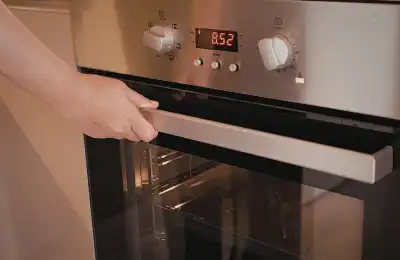
Understanding the cause of overbaked cakes helps you avoid repeating the problem.
- Leaving It in “Just a Bit Longer”: It is tempting to leave a cake in the oven for a few extra minutes “just to be sure”. Unfortunately, those few minutes can make all the difference.
- Oven Temperature Is Too High: Many home ovens run hotter than the dial suggests. If your oven is even 10–15 degrees hotter than expected, your cake can overcook before you realise it.
- Using the Wrong Tin Size: If you use a smaller tin than the recipe suggests, the batter will be deeper and may need longer baking. If you misjudge the time, the outer edges can overcook before the centre finishes.
- Thin Cake Layers: Very thin sponges bake quickly. If you follow the timing for a thicker cake, they may dry out.
Recognising these causes can help prevent future baking disappointment.
What Happens to Overcooked Cake If Left as It Is?
If you leave an overcooked cake untouched, it will usually continue to dry out as it cools. Any remaining moisture slowly evaporates, making the crumb firmer and sometimes slightly crumbly by the next day.
The texture can become noticeably tougher, and the flavours may seem less rich or pronounced because dryness dulls the overall eating experience. This is why taking steps to add moisture or repurpose the cake sooner rather than later can make such a difference.
What to Do When Cake Is Overcooked
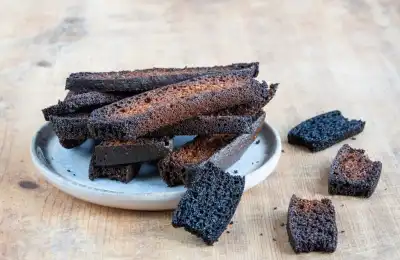
Realising your cake is overbaked can feel frustrating. You may assume it is ruined, but in many cases, it can still be improved or completely transformed. The first step is to assess the damage.
If it is only slightly dry, you can usually add moisture back in. If the edges are hard but the centre is still soft, trimming and adapting may solve the problem. If it is dry all the way through, repurposing it into another dessert is often the best solution.
Below are five simple ways to salvage an overcooked cake and make the most of your efforts.
1. Add Moisture with a Simple Syrup
If your cake feels dry but not rock hard, moisture is your best friend. A simple syrup is made by gently heating equal parts sugar and water until dissolved. Once cooled slightly, brush or spoon it over the surface of the cake. For layer cakes, you can apply it directly to each cut layer before adding filling.
The syrup soaks into the sponge and helps soften the crumb. You can flavour it with vanilla, citrus zest, coffee, or a splash of liqueur if appropriate.
2. Use Fillings and Frostings Generously
Creamy fillings can dramatically improve texture. Buttercream, cream cheese frosting, whipped cream, custard, or jam all introduce moisture.
When layered between slices, they help balance dryness and make each bite more enjoyable.
After filling and frosting, wrap the cake well and allow it to rest for several hours. This gives the moisture time to spread evenly through the sponge.
3. Try the Poke and Soak Method
For slightly drier cakes, helping the liquid penetrate deeper can make a difference. Use a skewer or fork to poke small holes across the surface. Then gently spoon syrup over the cake, allowing it to seep into the holes. Do this gradually rather than all at once, so the sponge absorbs the liquid evenly.
This method is particularly useful if you are looking for ways to bring moisture back into a cake without changing its overall flavour too much.
4. Trim Away Overdone Edges
Sometimes the dryness is concentrated around the outside. If the edges are very hard but the centre is still soft, carefully trim the outer layer with a serrated knife. Removing the toughest areas can instantly improve texture.
You can then frost or glaze the cake to protect the newly exposed surface and add softness.
5. Transform It Into a New Dessert
If the cake is dry throughout and cannot be revived easily, do not throw it away. Instead, rethink how you serve it. Cut it into cubes and layer with custard, fruit, and cream to create a trifle. The added ingredients will soften the sponge and add richness.
You can also crumble the cake and mix it with frosting to make cake pops. The frosting binds the crumbs and restores moisture, turning a dry cake into something completely different.
Another option is to blend it into crumbs and use them as a topping for ice cream or yoghurt, or press them with melted butter into a tin to form a cheesecake base.
Preventing Overcooked Cake in the Future
Once you have encountered an overbaked cake, you naturally want to avoid it next time.
- Check Early: Start checking your cake 5–10 minutes before the recommended time.
- Use the Skewer Test Correctly: Insert a skewer into the centre. If it comes out with a few moist crumbs, it is ready. If it is completely dry, it may already be slightly overdone.
- Invest in an Oven Thermometer: This simple tool ensures your oven is heating to the correct temperature.
- Follow Tin Sizes Carefully: Stick to the recommended tin size and depth in your recipe.
Learning from experience is part of becoming a confident baker.
Recommended for you!
Best Sellers





Study Our Cake Baking and Decorating Diploma for £29
Once you understand the signs of an overcooked cake, you’ll feel more confident spotting where things went wrong.
If you’re passionate about baking or want to develop your skills further, the Cake Baking and Decorating Diploma Course from Centre of Excellence is a fantastic next step. It’s designed to suit all levels – whether you’re just starting or looking to master advanced techniques. And right now, you can enrol for just £29.