When you welcome a cat into your home, you naturally hope for as many years together as possible. Whether you’re planning to adopt, already caring for a feline companion, or simply curious about the life expectancy of cats, researching which cat breeds live the longest can help you understand what to expect and how best to support your pet’s wellbeing.
Cats vary enormously in lifespan. While some live comfortable, healthy lives well into their late teens, others may be more prone to health concerns that can shorten their expected years. This guide explores the longest living cat breeds, the factors that influence longevity, and the steps you can take to help your cat enjoy a long, happy life.
Jump to:
- What is a Cat’s Lifespan?
- Which Cat Breeds Live the Longest?
- What Breed of Cat Has the Most Health Problems?
- Which Gender Cat Lives Longer?
- Can a Cat Live 20 Years?
- What Is the Most Common Cause of Death in Indoor Cats?
- At What Age Is a Cat Considered Senior?
- Do Black Cats Live Longer?
- How Can You Tell When a Cat Is Nearing the End of Its Life?
- What Affects a Cat’s Lifespan?
- How to Help Your Cat Live Longer
- Choosing a Cat That Suits Your Lifestyle
- Learn More About Feline Health and Nutrition for £29
What is a Cat’s Lifespan?
Most domestic cats live somewhere between 12 and 18 years, but many exceed this range. It’s not uncommon for a healthy indoor cat to reach 20 years of age, and some even go beyond this milestone. The longest life of a cat ever recorded was over 38 years.
A cat’s lifespan is shaped by several factors:
- Genetics
- Breed tendencies
- Diet and weight management
- Indoor vs outdoor living
- Access to veterinary care
- Exercise and mental stimulation
Indoor cats generally live longer due to fewer risks, yet lifestyle still makes a major difference. Even the longest living domestic cat benefits from good nutrition and regular health checks.
Which Cat Breeds Live the Longest?

Some breeds enjoy a reputation for impressive longevity. While every cat is unique, these are commonly considered long-living breeds.
Siamese
Siamese cats often live 15–20 years, and it’s not unusual for them to reach their early twenties. Their slim build and strong genetic lines support a longer lifespan. Many lists ranking which cat breeds live the longest consistently include the Siamese near the top.
Burmese
Burmese cats are known for living long, healthy lives, frequently reaching 18–20 years. They remain playful into their senior years and have relatively few breed-specific health issues.
Ragdoll
Ragdolls generally live 15–20 years. They’re affectionate, gentle cats, and many remain active and engaged well into old age. While they can have heart-related conditions, responsible breeding helps manage these risks.
Persian
The Persian cat's life expectancy usually sits around 12–17 years. When carefully bred, Persians are calm, affectionate companions with predictable health trends. However, they can experience respiratory and eye issues due to their flat faces, so good care and regular vet checks are key.
Birman
The lifespan of Birman cats is typically 14–16 years, though many live beyond this. Birmans are sturdy and less prone to genetic complications than some other long-haired breeds.
Sphynx
The Sphynx cat's life expectancy is usually 12–15 years, but many live longer with proper care. Their lack of fur means they rely more on humans for warmth and skin care, yet they tend to stay active and maintain a healthy weight, which supports longevity.
Mixed-Breed Cats and Domestic Shorthairs
The truth is that mixed-breed cats, especially Domestic Shorthairs, often outlive purebred cats. The domestic shorthair’s lifespan usually ranges from 14–20 years. Their diverse genetics reduce the chances of inherited health issues, giving them an advantage when it comes to long-term wellbeing. These cats come in every colour, pattern, and personality type, making them one of the most widespread and longest lived cat types.
The longest living cat breeds often share certain qualities:
- Moderate size
- Balanced, proportionate build
- Active, curious nature
- Fewer extreme physical traits (such as very flat faces)
In records of the longest cat to live, many were mixed-breed cats, reinforcing that good health often depends more on care and genetics than on breed alone.
What Breed of Cat Has the Most Health Problems?
Some breeds are more prone to health issues, which may influence lifespan. For example:
- Persians and other flat-faced breeds may experience respiratory or eye issues.
- Maine Coons have a higher risk of heart conditions like hypertrophic cardiomyopathy.
- Scottish Folds can inherit cartilage problems that affect mobility.
This doesn’t mean these cats can’t live long, fulfilling lives. It simply means you may need to plan for additional monitoring and veterinary support, and, if adopting from a breeder, ensure that they’re bred responsibly.
Which Gender Cat Lives Longer?
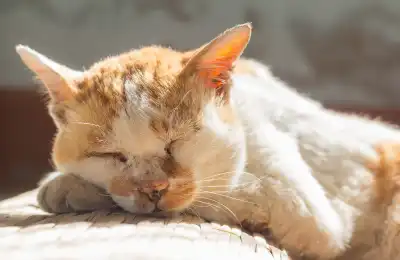
Female cats generally live slightly longer than males. The difference isn’t dramatic, but is noticed across many studies. Neutered and spayed cats also tend to live longer due to reduced risks of certain cancers and behaviours that may lead to injuries.
Can a Cat Live 20 Years?
Many cats reach 20 years, particularly indoor cats who receive regular vet care, high-quality nutrition, and a calm, enriched environment. If you’re aiming to help your cat reach the longest lifespan possible, consistent care is far more influential than breed alone.
What Is the Most Common Cause of Death in Indoor Cats?
While indoor cats tend to have a longer lifespan than cats that are let outside, genetics and lifestyle issues can still be a factor. The most common causes of death include:
- Kidney disease
- Cancer
- Heart disease
- Complications from obesity
Regular veterinary check-ups allow early intervention, often extending both lifespan and quality of life.
At What Age Is a Cat Considered Senior?
Cats are typically considered senior at around 11 years old, though it varies:
- Mature: 7–10 years
- Senior: 11–14 years
- Geriatric: 15+ years
Do Black Cats Live Longer?

There’s no scientific evidence that black cats live longer solely because of their colour. The belief is more superstition than biology; however, black cats often have strong, diverse genetics because their colouring is common across many cat populations. This genetic diversity can indirectly contribute to good health.
How Can You Tell When a Cat Is Nearing the End of Its Life?
This is one of the hardest parts of caring for a beloved companion. Signs that a cat may be approaching the end of life include:
- Marked decrease in appetite
- Significant weight loss
- Sleeping much more than usual
- Difficulty moving or breathing
- Withdrawal or changes in behaviour
- Reduced grooming or poor coat condition
If you notice any of these symptoms, a gentle conversation with your vet can help you make compassionate decisions.
What Affects a Cat’s Lifespan?
Understanding the factors that influence longevity can help you support your cat’s long-term health.
- Genetics: Some cats inherit stronger resistance to disease or slower ageing patterns. Mixed breeds often benefit from this genetic diversity.
- Weight and Nutrition: Obesity is a leading cause of reduced lifespan in domestic cats. Maintaining a lean physique through balanced nutrition significantly increases the likelihood of a long life.
- Indoor vs Outdoor Living: Indoor cats face fewer dangers, such as road accidents and infectious diseases. However, they rely heavily on owners for stimulation and weight management.
- Enrichment and Exercise: Even the cat with the longest lifespan needs an active mind and body. Play, climbing structures, and interactive toys support wellbeing throughout all life stages.
- Access to Veterinary Care: Routine health checks catch early signs of disease. The earlier a condition is treated, the better the outcome.
How to Help Your Cat Live Longer
Regardless of breed, you can support your cat’s wellbeing in several ways:
- Provide a balanced diet suited to age and health needs
- Maintain a healthy weight
- Encourage play and movement
- Offer mental enrichment, such as puzzle toys
- Keep vaccinations and parasite control up to date
- Ensure a peaceful, safe living environment
- Observe for subtle changes in behaviour or appetite
- Schedule regular veterinary check-ups
These simple steps significantly increase the chances of enjoying many years with your feline companion.
Choosing a Cat That Suits Your Lifestyle
While understanding the longest living cat breeds is helpful, the most important choice is selecting a cat whose temperament, grooming needs, and energy levels fit your lifestyle. A long-lived breed will only thrive when their needs are consistently met.
Whether you choose a purebred, a Domestic Shorthair, or a rescue cat with unknown ancestry, the bond you create and the care you provide will shape their quality of life far more than genetics alone.
Learn More About Feline Health and Nutrition for £29
If you’d like to deepen your understanding of cat nutrition and wellbeing, you may enjoy our Feline Nutrition Diploma Course. It’s a wonderful way to learn how diet shapes longevity, supports healthy ageing, and contributes to a cat’s overall quality of life. For a limited time, you can access the full course for a discounted price of £29.