A Korean wedding reflects respect for ancestry, social harmony, and the joining of families, all expressed through carefully preserved rituals. Understanding these practices helps you appreciate the deeper meaning behind the ceremonial acts that define a traditional wedding in Korea.
What’s in This Guide?
This guide explores the cultural foundations of Korean weddings, beginning with their historical roots and moving into the rituals still practised today. You’ll learn how tradition continues to shape modern Korean weddings, the symbolism behind ceremonial actions, and the social values reflected in marriage customs.
Jump to:
- A Brief History of Weddings in Korea
- 8 Korean Wedding Customs
- The Formal Bowing Ceremony
- The Sharing of Wine
- Traditional Korean Wedding Attire
- The Red Facial Markings
- The Pyebaek Ceremony
- Family Involvement and Shared Responsibility
- Wedding Food and Celebration
- Respectful Behaviour and Reserved Affection
- Frequently Asked Questions
- Study Our Wedding Planner Business Diploma for £29
A Brief History of Weddings in Korea
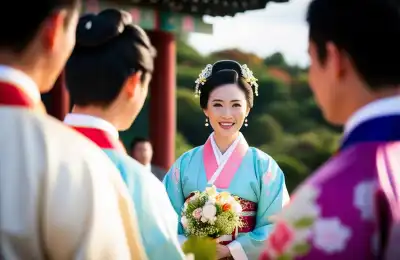
Wedding traditions and rituals in Korea were developed under strong Confucian influence, which shaped Korean society for centuries. Confucianism emphasised order, respect for elders, loyalty, and clearly defined family roles. Marriage was viewed as a social duty rather than a personal choice, with the primary purpose of continuing the family line and maintaining harmony between households.
Historically, marriages were arranged by families, and romantic love was not considered a requirement for marriage. Ceremonies were modest and symbolic, with a strong focus on ritual actions. Over time, particularly during the twentieth century, Korean weddings evolved as social attitudes changed and Western customs were introduced.
Today, most South Korean weddings reflect a balance between tradition and modernity. Couples often hold Western-style ceremonies while incorporating traditional rituals to honour cultural heritage, creating weddings that are both meaningful and personal.
8 Korean Wedding Customs
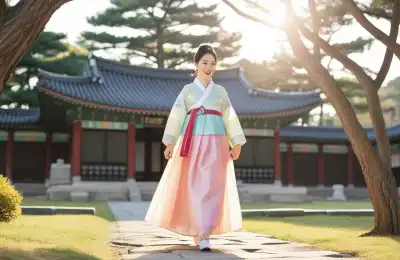
Korean wedding customs are symbolic and deeply rooted in cultural values. Below are eight significant traditions that continue to shape Korean weddings today.
1. The Formal Bowing Ceremony
Bowing plays a central role in the traditional Korean wedding ceremony, with the bride and groom bowing deeply to one another as a sign of mutual respect and commitment. This gesture symbolises humility and the intention to honour one another throughout married life. Bowing also reflects the Confucian value of respect, which remains deeply ingrained in Korean culture. The act communicates sincerity without the need for spoken vows.
2. The Sharing of Wine
The sharing of wine represents unity and partnership. Traditionally, the bride and groom pour wine into a gourd cup and take turns drinking from it. The gourd, once split into two, cannot be rejoined, symbolising two people becoming one inseparable union. This ritual highlights cooperation and lifelong connection, reinforcing the idea that marriage is a shared journey.
3. Traditional Korean Wedding Attire
The groom typically wears a ceremonial robe inspired by historical official garments, while the bride wears a richly coloured robe decorated with embroidered symbols representing happiness, celebration, fertility, and prosperity.
The bold colours and intricate designs reflect the importance of the occasion. Even in modern weddings, many couples change into traditional Korean wedding attire for ceremonial rituals, honouring cultural heritage.
4. The Red Facial Markings
Red markings placed on the bride’s cheeks and forehead are believed to protect against negative energy and invite good fortune. These markings symbolise fertility and happiness, reinforcing hopes for a prosperous marriage. This custom reflects ancient beliefs in spiritual balance and protection, which continue to influence Korean wedding symbolism.
5. The Pyebaek Ceremony
The pyebaek ceremony is a private ritual performed after the main wedding ceremony, involving close family members. During this ritual, the bride and groom bow to the groom’s parents, showing respect and gratitude.
Dates and chestnuts are tossed toward the bride, symbolising wishes for children and family continuity. This ritual highlights the importance of family approval and intergenerational connection within Korean wedding customs.
6. Family Involvement and Shared Responsibility
Family involvement remains an essential part of Korean weddings. Traditionally, wedding expenses were shared between families, reflecting the belief that marriage unites households rather than just people. Although modern couples often contribute financially themselves, parental support remains common and culturally significant, reinforcing strong family bonds.
7. Wedding Food and Celebration
Food plays an important role in Korean wedding celebrations, symbolising abundance and longevity. Traditional dishes often include noodles, which represent long life, along with rice dishes and soups prepared to reflect prosperity.
Modern Korean weddings frequently feature buffet-style meals combining Korean and international cuisine, allowing guests to celebrate together in a relaxed and inclusive environment.
8. Respectful Behaviour and Reserved Affection
Korean weddings traditionally emphasise modesty and restraint. Public displays of affection are minimal, with emotional expression communicated through symbolic actions rather than physical gestures. Even in modern ceremonies influenced by Western customs, affection remains understated, reflecting cultural values of dignity and respect.
Recommended for you!
Best Sellers







Frequently Asked Questions
Do Korean weddings usually take place in temples?
Most Korean weddings do not take place in temples. Traditional weddings were historically held at the bride’s family home, while modern Korean weddings are most commonly held in dedicated wedding halls, hotels, or event venues.
How long does a Korean wedding ceremony last?
A modern Korean wedding ceremony is typically quite short, often lasting between 30 and 40 minutes. This reflects a cultural preference for efficiency and structure. The celebration usually continues with a meal and socialising afterwards, which allows guests to spend time congratulating the couple in a more relaxed setting.
Are Korean weddings large or small events?
Korean weddings are usually large, with guest lists often including extended family members, colleagues, friends, and business contacts. Attendance is sometimes seen as a social obligation, particularly in professional circles. As a result, Korean weddings can feel more formal and structured than intimate ceremonies commonly seen elsewhere.
What role do elders play during Korean weddings?
Elders hold an important and respected position during Korean weddings. Their presence symbolises family continuity and approval of the marriage. Rituals such as formal bows are performed to show respect to parents and senior family members, reinforcing the importance of hierarchy and gratitude within Korean culture.
Is photography important at Korean weddings?
Photography is considered an essential part of Korean weddings. Professional photo sessions are often scheduled before or after the ceremony, sometimes in studio settings rather than at the venue itself. These photos are carefully styled and are viewed as an important record of the marriage.
Study Our Wedding Planner Business Diploma for £29
If learning about global wedding traditions has inspired you to explore wedding planning as a professional path, the Wedding Planner Business Diploma Course offers an excellent opportunity to develop your skills. You can enrol in the course today for a discounted price of £29.
If you would also like to join our learning community, unlock exclusive discounts, and receive expert tips, you can sign up for our mailing list.