Jewish weddings are filled with symbolism, music, community spirit and deep-rooted tradition. Every element, from the chuppah standing open to the sky to the breaking of the glass beneath the groom’s foot, carries symbolism that connects the couple to history and community.
What’s in This Guide?
This guide explores the foundations of Jewish marriage culture and the core beliefs that shape a wedding ceremony. It explains eight key Jewish wedding customs in detail and offers practical insight into dress, gifts, etiquette and expectations.
Jump to:
- Jewish Marriage Culture
- 8 Jewish Wedding Customs
- The Chuppah: The Canopy in a Jewish Wedding
- The Ketubah: The Jewish Marriage Contract
- Jewish Wedding Vows and Ring Exchange
- Circling the Groom
- The Sheva Brachot: Seven Blessings
- The Breaking of the Glass
- The Hora and Jewish Wedding Dancing
- Yichud: A Private Moment
- Frequently Asked Questions
- Study Our Wedding Planner Business Diploma for £29
Jewish Marriage Culture
In Judaism, marriage is viewed as both a personal commitment and a religious covenant, built on the idea of partnership, responsibility and shared spiritual life. It is governed by longstanding Jewish rules that combine legal structure with spiritual symbolism.
In Jewish law, marriage has two primary stages: kiddushin (betrothal) and nissuin (marriage proper). These are now performed together during the Jewish marriage ceremony. The emphasis is not only on romantic love, but on creating a stable home rooted in shared values.
While practices vary between Orthodox Jewish wedding ceremony traditions and more progressive Jewish weddings, the underlying themes of faith, family and covenant remain consistent.
8 Jewish Wedding Customs
The following eight customs form the foundation of most traditional Jewish wedding celebrations. Each plays a specific role within the Jewish wedding ceremony and reflects centuries of wedding practice.
1. The Chuppah: The Canopy in a Jewish Wedding
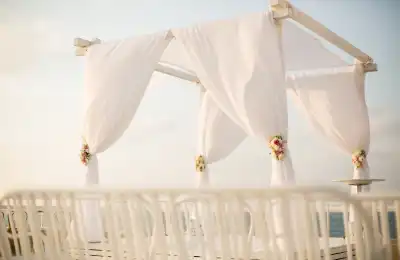
This canopy in Jewish wedding rituals represents the couple’s future home. It’s open on all sides, symbolising hospitality and openness to the community. Traditionally, the chuppah stands outdoors under the sky, reflecting divine blessing. In modern settings, it may be inside a synagogue or venue, yet the symbolism remains unchanged. The structure itself is usually supported by four poles and covered with cloth or a prayer shawl.
In Jewish Orthodox weddings, the couple stands beneath the chuppah for the entire ceremony. The space signifies the beginning of shared domestic life, rooted in Jewish marriage traditions.
2. The Ketubah: The Jewish Marriage Contract
The ketubah is central to Jewish marriage rituals. This legal and spiritual document outlines the husband’s responsibilities towards his wife, including financial support and care.
Signed before the ceremony in the presence of witnesses, the ketubah is later read aloud under the chuppah. Jewish brides often keep it as a cherished piece of art, with many couples commissioning beautifully designed versions.
This custom reflects the seriousness of Jewish marriage and provides a practical structure, reinforcing that Jewish marriage is built on commitment and accountability.
3. Jewish Wedding Vows and Ring Exchange
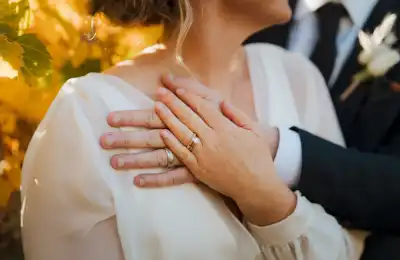
In a traditional Jewish wedding, the groom places a plain gold ring on the bride’s finger and recites a declaration in Hebrew. The wording affirms that the bride is consecrated according to the laws of Moses and Israel.
Wedding rings are traditionally simple bands, representing equality and shared commitment. A wedding ring used in Orthodox ceremonies must be unbroken and plain, symbolising unity and completeness. Engagement rings are common in modern Jewish wedding culture, although they’re separate from the ring used during the ceremony itself.
4. Circling the Groom
In many traditional Jewish weddings, the bride circles the groom seven times under the chuppah. This act symbolises the creation of a new family circle and spiritual protection.
The number seven carries deep meaning in Jewish tradition, representing completeness and blessing. Some modern couples choose to circle one another, reflecting partnership and equality.
5. The Sheva Brachot: Seven Blessings
A key element of the Jewish wedding ceremony is the recitation of the Sheva Brachot, or Seven Blessings. These blessings are spoken over a cup of wine and praise joy, companionship and the creation of humanity. The blessings connect the couple’s union to broader Jewish history and belief, and emphasise that Jewish marriage exists within community and faith.
In traditional Jewish weddings, these blessings may also be repeated at celebratory meals during the week following the ceremony.
6. The Breaking of the Glass
The breaking of the glass tradition is one of the most memorable moments at a Jewish wedding. At the conclusion of the ceremony, a glass wrapped in cloth is placed on the ground and stepped on. When the smashed glass moment occurs, guests respond with joyful celebration.
The breaking of the glass carries multiple interpretations. It recalls the destruction of the Temple in Jerusalem, reminding guests that even moments of happiness exist within an imperfect world. It also symbolises the seriousness of marriage and the irreversible nature of commitment.
7. The Hora and Jewish Wedding Dancing
Jewish wedding dancing is central to the celebration. The most well-known dance is the hora dance, where guests form a circle and move rhythmically together. During this wedding dance, the couple may be lifted on chairs.
Dancing at Jewish wedding receptions symbolises unity and shared happiness. The atmosphere is lively, energetic and inclusive, reinforcing that Jewish traditions place community at the heart of celebration.
8. Yichud: A Private Moment
After the ceremony, many Orthodox Jewish wedding ceremony traditions include yichud, where the couple spends a short period alone in a private room.
This custom symbolises their new status as husband and wife, offering a quiet pause after the ceremony before joining the celebration. In traditional Jewish weddings, it also historically marked the completion of the marriage process.
Recommended for you!
Best Sellers







Frequently Asked Questions
Is there a special period of preparation before a Jewish wedding?
Many couples observe meaningful preparation in the days leading up to the ceremony. In traditional communities, the bride may visit a mikveh, a ritual bath symbolising spiritual renewal. Some grooms participate in a celebratory gathering known as an aufruf, where they are called up to the Torah in synagogue and receive blessings from the congregation.
Is fasting part of a Jewish wedding day?
In some traditions, particularly within Orthodox communities, the bride and groom fast from sunrise until the ceremony. This reflects the idea that their wedding day is spiritually significant, sometimes compared to a personal Day of Atonement, marking a fresh start in married life.
Are Jewish weddings always held in a synagogue?
Jewish weddings can take place in a synagogue, a private venue, outdoors, or even at home. The location is flexible as long as the essential elements of the ceremony are present. Many couples choose settings that allow the chuppah to stand beneath the open sky.
Do Jewish weddings take place on any day of the week?
Traditional Jewish weddings do not take place on the Sabbath, which runs from Friday evening to Saturday evening, or on certain religious holidays. Many weddings are held on Sunday or during the week to align with religious observance.
Is alcohol important in a Jewish wedding ceremony?
Wine plays a symbolic role in the ceremony. Blessings are recited over wine under the chuppah, representing joy and sanctification. It’s shared by the couple at key moments, reinforcing the sacred nature of the occasion.
Are there differences between Ashkenazi and Sephardi wedding traditions?
Cultural background influences music, food, dress and certain ritual details. While the structure of the ceremony remains consistent, Sephardi weddings may include distinct melodies and customs, and celebrations can vary in style and atmosphere. These variations reflect the diversity within Jewish communities worldwide.
Study Our Wedding Planner Business Diploma for £29
The Wedding Planner Business Diploma Course provides practical guidance on planning weddings across cultures. You can enrol today for the discounted price of just £29.
If you would also like to join our learning community, unlock exclusive discounts, and receive expert tips, you can sign up for our mailing list.