Modern life often moves at such a fast pace that it becomes easy to overlook the small, beautiful moments that make each day unique. Romanticising your life is a mindset that allows you to appreciate what you have and bring meaning to the simplest experiences.
This guide explores how to romanticise your life, why it matters for your mental wellbeing, and how to integrate it into your daily routine with 8 meaningful habits,
Jump to:
What Does It Mean to Romanticise Your Life?
To romanticise your life means to approach everyday experiences with intention and appreciation. It’s about finding beauty in ordinary moments, whether that’s enjoying your morning cup of tea, admiring a sunset, or creating a space that feels calm and inspiring.
Romanticisation encourages you to shift your focus from what’s missing to what’s meaningful. By paying attention to emotions and small pleasures, you begin to see life not as something to get through, but as something to savour.
Recommended for you!
Best Sellers





The Importance of Romanticising Your Life
Romanticising life has psychological and emotional benefits. It helps to reduce anxiety, embrace optimism, and promote a sense of peace. It also helps you become more resilient by shifting your attention from external circumstances to an internal perspective.
In a culture that values productivity and constant comparison, romanticisation acts as a gentle reminder that life isn’t a race. It’s a collection of moments, each with the potential to hold beauty and meaning if you choose to see it.
8 Ways to Romanticise Your Life
Romanticisation doesn’t require big changes or expensive habits. It’s about small, conscious shifts in how you move through your day. These eight practical approaches can help you see the beauty in your routine and bring a sense of calm and purpose into your life.
1. Start With Gratitude
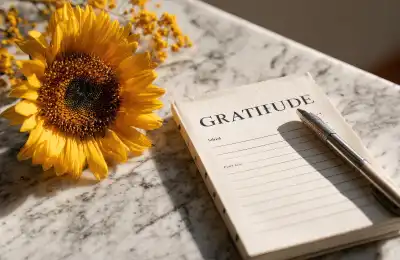
Begin by setting aside a few minutes each morning or evening to reflect on what you’re thankful for. You might express gratitude for your health, a warm home, supportive friends, or a peaceful morning walk. Over time, this practice retrains your mind to notice positive moments more easily.
2. Create Daily Rituals
Daily rituals transform everyday habits into intentional acts of self-care. Think of a ritual as something you do not out of necessity, but out of choice and meaning.
For example, instead of rushing through your morning coffee, prepare it slowly, breathe in the aroma, and take time to enjoy the first sip. You might light a candle before working, listen to soft music while cooking, or take a relaxing bath at the end of the day.
These small moments signal to your brain that you’re allowed to slow down and experience pleasure. Rituals help you create pockets of calm and mindfulness throughout the day, reminding you that life can be enjoyed.
3. Be Present
Being present means putting away distractions and engaging fully in what you’re doing. Try to observe textures, colours, sounds, and smells in your environment. Feel the warmth of sunlight on your skin, notice the scent of rain, and pay attention to the taste of your food. By grounding yourself in sensory details, you bring a sense of calm and connection to the moment.
Presence helps romanticise life because it deepens your appreciation for experiences that might otherwise pass unnoticed. You begin to realise that life’s beauty exists in moments of awareness, not in constant forward motion.
4. Embrace Simplicity

Simplifying your life, whether by decluttering your home or limiting unnecessary commitments, helps you focus on what truly matters. Start small by tidying a single space or planning a quiet morning. With fewer distractions, you can pay closer attention to the beauty of what remains: the soft light in your room, the feeling of stillness, and the joy of doing one thing at a time.
5. Express Yourself
Creative self-expression allows you to connect with your inner self and celebrate individuality. You might express yourself through journaling, painting, photography, gardening, fashion, or even how you decorate your space.
Engaging in creativity brings colour and personality to your routine. It reminds you that your life is a form of art, shaped by your interests and emotions.
6. Find Beauty in the Ordinary
The essence of romanticisation lies in noticing beauty in everyday life. Instead of waiting for big moments, you begin to find joy in the little ones.
You can practise this by slowing down and actively looking for beauty around you. Observe how your morning walk changes with the seasons, take photos of small details that inspire you, or arrange flowers on your desk just because they make you smile.
7. Spend Time in Nature

Spending time outdoors helps you reconnect with the world beyond screens and schedules. You don’t need to travel far; a walk through a local park or sitting beneath a tree can be restorative. Notice the sounds and scents of your surroundings. Nature draws you into the present moment and reminds you of life’s natural beauty.
8. Nurture Relationships
Meaningful relationships bring warmth and connection to life. Taking time to nurture them is one of the most rewarding forms of romanticisation. Reach out to loved ones and create shared moments that feel intentional rather than routine. This could mean writing a letter to a friend, hosting a meal at home, or simply spending uninterrupted time together.
Frequently Asked Questions
Can romanticisation improve self-esteem?
Romanticising your life strengthens self-esteem because it encourages self-respect and self-expression. When you treat yourself kindly and celebrate small victories, you reinforce a positive self-image. It helps you see your life and yourself as something worthy of care and appreciation.
How can romanticising life support mental wellbeing?
The practice of romanticising your life supports mental well-being by encouraging mindfulness and gratitude, both of which are proven to reduce stress and increase happiness. It helps calm the nervous system and provides a sense of control over your daily experience. Romanticisation brings awareness to small pleasures, which can make difficult days feel lighter and more manageable.
How can I romanticise my life if I have a busy schedule?
Romanticisation isn’t about having more time; it’s about changing how you use the time you already have. You can romanticise your morning routine by enjoying your coffee without distractions, your commute by listening to music or noticing the scenery, or your lunch break by eating mindfully instead of rushing.
How can I maintain a romanticised mindset during stressful times?
Maintaining this mindset during stress takes practice, but it’s possible through grounding techniques and small, comforting rituals. You might light a candle while working or pause to breathe deeply. These actions remind you to slow down and find moments of peace even in chaos.
Recommended for you!
Best SellersStudy Our Reinventing Yourself Diploma for £29
Romanticising your life begins with understanding your values, priorities, and what truly brings you happiness. The Reinventing Yourself Diploma Course offers the perfect opportunity to explore these ideas in depth. For a limited time, you can enrol for a discounted price of £29.