Writing a novel is only half the process; the other half is editing. Editing a novel transforms a good manuscript into a great book, ensuring every page holds the reader’s attention.
This guide explores how to edit a novel effectively, with clear steps and practical advice to help you polish your work and prepare it for publication.
Jump to:
The First Step Before Editing
Before beginning the editing process, it’s important to take a step back. Many writers feel tempted to start changing things as soon as they finish a draft, but taking a week or two away from your manuscript allows you to return to it with fresh eyes, making it easier to spot weaknesses and opportunities for improvement.
Once you’re ready, read your novel in full without making any edits. This first read-through is about observing the story as a whole. Make notes about areas that feel confusing or characters who need more development. The aim is to identify patterns and big-picture issues before focusing on the details.
Recommended for you!
Best Sellers







4 Step Process of Editing a Novel
There are four main types of editing: developmental editing, line editing, copy editing, and proofreading. Each focuses on a different layer of your novel, from structure to final polish.
1. Developmental Editing (or the Big Picture Edit)
Developmental editing focuses on the overall structure and storytelling. It addresses large-scale questions such as plot flow, character arcs, themes, and narrative balance. At this stage, you’ll consider whether the story makes sense, whether each scene has purpose, and whether the emotional journey of the characters feels complete.
During developmental editing, entire scenes might be rewritten or removed. This is the time to strengthen your story’s foundation before focusing on wording and grammar.
2. Line Editing
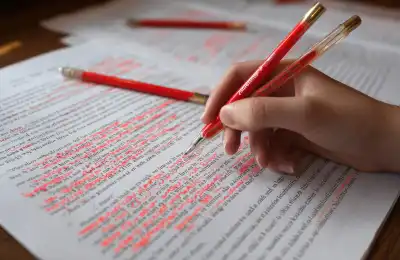
After addressing structural issues, line editing focuses on the craft of writing. This stage examines how each sentence and paragraph reads, ensuring clarity, improving flow, eliminating repetition, and refining your style.
At this stage, you’ll tighten sentences and ensure every line contributes to the story’s atmosphere and pacing. For example, adjusting sentence length can enhance tension or create calm, while word choice can subtly shape a reader’s emotional response.
3. Copy Editing
Once the storytelling and style are refined, copy editing focuses on technical precision. This stage corrects punctuation and spelling, while ensuring consistency throughout the text. A copy edit checks facts, verifies timelines, and ensures formatting aligns with professional standards.
If you are self-editing, it helps to keep a personal style sheet. This list records preferred spellings, capitalisation choices, and other recurring decisions. For instance, if you decide to write “co-operate” rather than “cooperate,” note it down to maintain consistency.
4. Proofreading

Proofreading is the last review before publication or submission, where small errors are corrected. Proofreading focuses on typographical mistakes and minor punctuation errors.
Reading the manuscript aloud or printing it out can make it easier to catch subtle mistakes. Some writers also find it helpful to change the font or layout during this stage, as it helps the text appear unfamiliar to the eye.
Editing Tips for Beginners
Self-editing can feel like a big job at first, but each edit teaches you more about your own writing style and strengths.
- Read for meaning first: Before adjusting sentences, make sure the story itself works.
- Edit in layers: Focus on one stage at a time, such as content, language, then detail.
- Take regular breaks: Fatigue leads to missed errors, so work in short, focused sessions.
- Read your work aloud: This makes awkward phrasing and repetition more obvious.
- Avoid filler words: Words such as “just,” “really,” or “very” often weaken writing.
- Seek feedback: A trusted reader or writing group can offer new perspectives.
What Are the 7 Cs of Editing?

Editors often refer to the 7 Cs of editing as a guide to effective communication. These principles ensure that your writing is engaging and polished.
- Clarity: Every idea should be easy to understand.
- Coherence: Sentences and paragraphs must connect logically.
- Consistency: Tone, language, and details should remain steady throughout.
- Correctness: Grammar, punctuation, and spelling should be accurate.
- Completeness: All necessary information should be included.
- Concise: Remove unnecessary words to keep writing tight.
- Credibility: Ensure facts and emotions feel believable.
Frequently Asked Questions
How long should editing a novel take?
As a general guide, a thorough book edit can take anywhere from several weeks to a few months, depending on the length of your book. Taking your time allows you to work carefully through each stage without rushing. It’s better to edit in smaller, focused sessions than to try to complete everything too quickly.
What tools can help with editing writing?
There are many tools that can support your editing process. Word processors such as Microsoft Word and Google Docs offer “track changes” features, while apps like Grammarly and ProWritingAid can help identify grammar and style issues. Reading your work aloud or using editing guides can often reveal issues that software might miss.
How do I know when my novel is ready after editing?
A novel is ready when the story feels complete, the writing flows naturally, and you can read through it without wanting to make major changes. This usually comes after several rounds of editing. Having a trusted reader review the manuscript can also help confirm that it’s ready to share with a wider audience.
How can I use feedback effectively when editing?
Read all comments carefully before reacting or changing anything. Look for patterns: if multiple readers mention the same issue, it’s worth addressing. Always stay true to your creative vision, but use feedback as a tool to understand how readers interpret your story.
Recommended for you!
Best SellersStudy Our Novel Writing Diploma for £29
Learning how to edit a novel is an essential part of becoming a confident and capable writer. If you would like to develop your writing and editing skills further, the Novel Writing Diploma Course offers expert guidance at a discounted price of just £29.