Black cats tend to spark strong reactions. You may have paused when one crossed your path or wondered why they carry such a powerful reputation at all. Black cat superstitions are common, yet many of these beliefs are rooted more in myth than in reality.
What’s in This Guide?
This article explores the long and fascinating history behind black cat beliefs. By the end, you will have a much deeper understanding of how black cats became symbols of fear, protection, mystery, and even good fortune.
Jump to:
Where Black Cat Superstitions Began
The superstition surrounding black cats developed slowly as people tried to explain the world around them.
In ancient times, animals were often seen as messengers between humans and the unseen world. Cats, with their quiet movements and watchful eyes, naturally attracted attention. Their ability to appear suddenly, move silently, and see well in low light gave them an almost magical quality.
As societies evolved, so did their beliefs. In some places, black cats were admired and protected, while in others, fear and suspicion took over. These early ideas laid the groundwork for many of the superstitions that still exist today.
Black Cats in Ancient Civilisations
Black cats were worshipped long before they were seen as unlucky. In ancient Egypt, cats were sacred animals linked to the goddess Bastet, who represented home, fertility, and protection. Harming a cat, regardless of its colour, was considered a serious crime. Black cats were often welcomed into homes because they were believed to bring blessings and guard against harm.
Elsewhere, cats were valued for practical reasons too. They protected food supplies by hunting rodents, which helped them earn respect and appreciation. During this period, black cats were associated with safety and prosperity rather than fear.
The Shift Towards Fear in Medieval Europe
The belief that black cats bring bad luck is often traced back to medieval Europe. During this period, fear of the unknown was widespread, and superstition shaped everyday life.
Black cats became linked to witchcraft, particularly during the witch trials of the Middle Ages. Because black cats were active at night and blended easily into the darkness, they were seen as suspicious. Many people believed witches could turn into black cats or use them as animal companions known as familiars.
This belief led to tragic consequences. Cats, especially black ones, were harmed or killed, reinforcing the idea that black cats were evil or dangerous. Over time, this fear became deeply embedded in European folklore and was passed down through generations.
Are Black Cats Linked to Witchcraft?
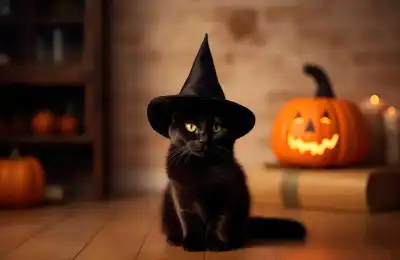
The association between cats and witchcraft still lingers today. Stories claimed that witches drew power from their cats or used them to spy on others. A black cat sitting near a suspected witch was often seen as proof of dark magic.
In reality, cats were simply independent animals that did not behave like obedient pets. Their self-sufficiency made them seem untrustworthy in a society that valued control and conformity. This misunderstanding helped cement the idea that black cats were bad luck and connected to supernatural harm.
Are Black Cats Unlucky or Is It a Myth?
There is no evidence that black cats cause misfortune. In fact, in several cultures, they symbolise protection, prosperity, and happiness. The idea that black cats bring bad luck says more about human psychology than about the animal itself.
From a historical perspective, black cats' unlucky reputations are built on fear rather than fact.
When fear-based beliefs are repeated often enough, they start to feel real. This is how a black cats myth can survive for centuries, even when logic and experience suggest otherwise.
These long-standing beliefs still have an impact today. Black cats are often overlooked in animal shelters, with many waiting longer to be adopted simply because of their colour. Superstitions, even when people do not fully believe them, can influence decisions in subtle ways.
Black Cats as Symbols of Good Luck
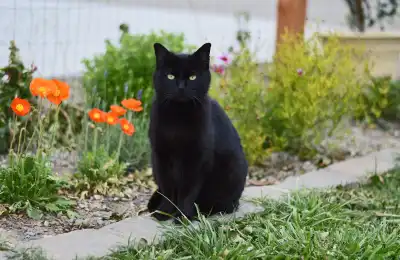
On the other hand, many cultures celebrate black cats as lucky animals. Across the UK and Scotland, they have long been linked with ideas of good fortune and protection. A black cat appearing at your doorstep was once seen as a sign of prosperity to come, while sailors’ families believed that keeping a black cat at home would protect loved ones at sea.
In Japan, black cats are thought to attract positive relationships and ward off negative energy. These beliefs directly challenge the idea that black cats are unlucky or evil.
Are Black Cats Good Luck or Bad Luck?
Black cats are not inherently unlucky, despite the reputation they have acquired in some parts of the world. Whether they are seen as symbols of good fortune or bad luck depends largely on cultural perspective.
Beliefs are shaped by history and shared experiences. When a society focuses on fear, black cats become symbols of danger. When it values protection and mystery, they become guardians and guides. Understanding this helps explain why the same animal can inspire such opposite reactions.
Frequently Asked Questions About Black Cats
What Does a Black Cat Symbolise?
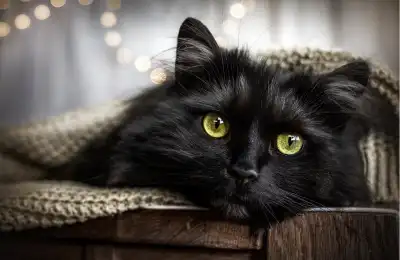
Black cats are often linked to mystery, independence, intuition, and transformation. Their dark colour is associated with the unknown, but not always in a negative way: darkness can represent rest, protection, and hidden knowledge as much as fear.
For many people today, black cats symbolise resilience. Despite centuries of misunderstanding, they continue to survive and form deep bonds with humans.
What Should You Do When a Black Cat Crosses Your Path?
Traditionally, a black cat crossing your path was thought to bring misfortune, leading people to turn around or perform small rituals to avoid bad luck.
From a modern viewpoint, this superstition reveals how humans try to regain control when faced with uncertainty. There is nothing you need to do when a black cat crosses your path, except perhaps appreciate the moment and move on.
Do Black Cats Have Healing Powers?
Like all cats, black cats can provide emotional comfort. Their presence has been shown to reduce stress, lower blood pressure, and ease feelings of loneliness. These benefits can feel healing, especially during difficult times.
What Is the Black Cat Theory?
The black cat theory is a modern way of looking at how society treats misunderstood symbols. It suggests that black cats are judged unfairly because of old fears that no longer make sense. This theory highlights how bias can persist even when evidence proves otherwise, and encourages compassion and critical thinking.
What If a Black Cat Comes to Your House?
Folklore often treats a black cat visiting your home as meaningful. In many traditions a black cat coming into your home is considered a positive sign. It may symbolise protection, good fortune, or the arrival of new opportunities. At the very least, it shows that the cat feels safe in your space, which is a compliment in itself.
What is the Spiritual Meaning of When a Black Cat Finds You?
Some people believe there is meaning when a black cat chooses to approach or follow them. The spiritual meaning is often linked to awareness and intuition. It may encourage you to slow down or trust your inner voice.
Are Black Cats Evil or Simply Misunderstood?
The belief that black cats are evil is one of the most damaging myths they face. It has no basis in reality and has caused unnecessary harm for centuries. Black cats behave no differently from cats of any other colour: they are affectionate, playful, cautious, and curious. Recognising this helps dismantle outdated beliefs and encourages kinder attitudes.
Recommended for you!
Best Sellers






Study Feline Behaviour and Psychology for £29
If you would like to deepen your understanding of how animals think, feel, and communicate, the Feline Behaviour and Psychology Diploma Course is an excellent next step. By following the link, you can access the course for a discounted price of £29