Indian weddings are not quiet affairs or one-day events. Known for their bright colours and beautiful clothing, they burst into life over several days, drawing families together to celebrate love and tradition. Each ritual carries meaning, shaping a joyful celebration rooted in spirituality and shared commitment.
What’s in This Guide?
This guide explores the foundations of Indian marriage culture before explaining nine common Indian wedding customs in detail. Each ritual is broken down to show what happens, what it symbolises, and why it still matters today. You will also find an FAQ section that covers practical details such as attire, ceremony length, vows, and gifting traditions.
Jump to:
- Indian Marriage Culture
- 9 Indian Wedding Customs
- Roka and Engagement Ceremonies
- Haldi Ceremony
- Mehndi Ceremony
- Sangeet Celebration
- Baraat Procession
- Kanyadaan Ritual
- Sacred Fire Ceremony
- Saptapadi and Marriage Vows
- Sindoor and Mangalsutra Rituals
- Frequently Asked Questions
- Study Our Wedding Planner Business Diploma for £29
Recommended for you!
Best Sellers







Indian Marriage Culture
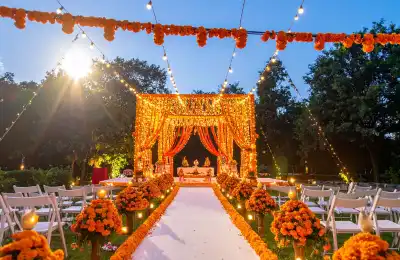
Indian marriage culture places strong emphasis on commitment, family unity, and spiritual responsibility. Marriage is traditionally seen as a sacred bond rather than a purely legal or romantic arrangement. While many modern Indian weddings include contemporary elements, the core of Indian marriage culture remains rooted in respect for faith and community.
Within Hinduism, marriage is regarded as one of life’s most meaningful stages. It’s intended to support personal growth, shared responsibility, and moral balance, creating a partnership that extends beyond the couple to include family and wider society.
9 Indian Wedding Customs
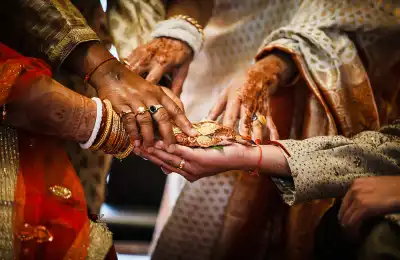
Indian weddings include many rituals, each with its own meaning and place within the wider celebration. The customs below are among the most widely practised Hindu wedding traditions, although details may vary depending on region and family background.
1. Roka and Engagement Ceremonies
The Roka ceremony marks the formal agreement between two families that a marriage will take place, symbolising acceptance and mutual respect. Gifts are exchanged, blessings are given, and the couple is officially recognised as being committed. This event sets the tone for the wedding celebrations and is often considered the first step in Hindu pre-wedding rituals.
2. Haldi Ceremony
The Haldi ceremony involves applying a paste made from turmeric, sandalwood, and rose water to the bride and groom. This ritual is believed to cleanse and prepare them for marriage. Turmeric is valued for its purifying qualities and is associated with prosperity and good fortune. The ceremony also creates a calm, joyful space before the main wedding events begin.
3. Mehndi Ceremony
During the Mehndi ceremony, intricate henna designs are applied to the hands and feet of the bride. These designs are seen as symbols of beauty, love, and positive energy, and traditionally, darker henna is thought to reflect a strong bond between the couple. This event is often social and celebratory, forming part of the wider Indian pre-wedding party.
4. Sangeet Celebration
The Sangeet is a musical gathering filled with singing, dancing, and performances by family members. It strengthens relationships between families and allows everyone to relax before the more formal wedding rituals. Music and rhythm are seen as expressions of joy and harmony, reflecting the emotional spirit of Indian wedding days.
5. Baraat Procession
The Baraat is the groom’s arrival ceremony, where he travels to the wedding venue accompanied by music, dancing, and celebration. This procession symbolises confidence and readiness for marriage. The bride’s family welcomes the groom and his relatives, representing unity and hospitality.
6. Kanyadaan Ritual
Kanyadaan is one of the most emotionally meaningful wedding rituals in Hindu tradition. The bride’s parents symbolically place her hand into the groom’s, representing trust and the transfer of care. This ritual highlights the importance of family blessing and parental support within Hindu marriage customs.
7. Sacred Fire Ceremony
The sacred fire, known as the Agni, is central to the Hindu wedding ceremony. Fire is considered a divine witness, representing purity and truth. Many Hindu marriage rituals take place around the fire, reinforcing the spiritual seriousness of the commitment being made.
8. Saptapadi and Marriage Vows
The Saptapadi involves the couple taking seven steps together around the sacred fire. Each step represents a shared promise connected to nourishment, strength, prosperity, happiness, family, health, and lifelong friendship. These seven promises form the heart of Hindu wedding traditions and mark the moment the marriage becomes spiritually complete.
9. Sindoor and Mangalsutra Rituals
The groom applies sindoor, a red powder, to the bride’s hair parting and places the mangalsutra around her neck. These acts symbolise marital status, protection, and commitment. They remain important symbols and are worn by many married women as signs of respect and devotion.
Recommended for you!
Best SellersFrequently Asked Questions
What should guests wear to an Indian wedding?
Guests at an Indian wedding are encouraged to dress modestly and elegantly. Red is traditionally worn by the bride, so guests may choose other vibrant colours such as gold, green, blue, or pink to avoid drawing focus away from her. White and black are often avoided, as these colours can be associated with mourning or solemn occasions.
How long does a Hindu wedding ceremony usually last?
A Hindu wedding ceremony typically lasts between one and three hours, depending on the number of rituals included and regional traditions. Some ceremonies are shorter and more streamlined, while others follow a longer sequence of symbolic rites led by a priest.
What gifts are appropriate for an Indian wedding?
Gifts for an Indian wedding are usually practical and symbolic. Monetary gifts are common and are often presented in decorative envelopes as a gesture of goodwill and blessing. Household items, jewellery, or personalised keepsakes may also be given, depending on closeness to the couple.
Do guests attend all Indian wedding events?
Guests are often invited to specific events rather than every ceremony. Invitations usually indicate which celebrations you are expected to attend. Close family and friends may take part in multiple days, while others may be invited only to the main wedding ceremony.
Is astrology important in Indian weddings?
Astrology plays a role in many Indian marriages, particularly in Hindu culture. Birth charts may be matched to assess compatibility, and auspicious dates and times are often chosen for wedding ceremonies. While not all families follow astrology strictly, it remains an important tradition for many.
What role do elders play in Indian wedding ceremonies?
Elders are highly respected in Indian marriage culture and often guide rituals, offer blessings, and provide emotional support to the couple. Their presence symbolises wisdom and approval, reinforcing the idea that marriage is supported by family and community.
Study Our Wedding Planner Business Diploma for £29
If this topic has inspired an interest in wedding planning as a career or creative pursuit, the Wedding Planner Business Diploma Course could be the perfect next step. You can enrol today for a discounted price of just £29.
If you would also like to join our learning community, unlock exclusive discounts, and receive expert tips, you can sign up for our mailing list.