Collagen plays an essential role in how youthful and resilient the skin looks. By focusing on nutrition, lifestyle, skincare, and gentle techniques, you can support your body’s collagen production and strengthen the foundation of your skin.
This guide explores natural ways to increase skin collagen and create habits that promote long-term radiance.
Jump to:
What Is Collagen and Why Does Your Skin Need It?
Collagen is a structural protein found throughout the body, especially in the skin, hair, nails, bones, and connective tissues. It acts as the framework that helps the skin stay plump and elastic. As natural production slows with age and exposure to external stressors, the skin becomes more prone to sagging and texture changes.
A decline in collagen can appear gradually and is influenced by several factors, including UV exposure, stress, diet, and lifestyle. Supporting collagen allows the skin to retain strength and smoothness.
Recommended for you!
Best Sellers






8 Tips to Boost Skin Collagen
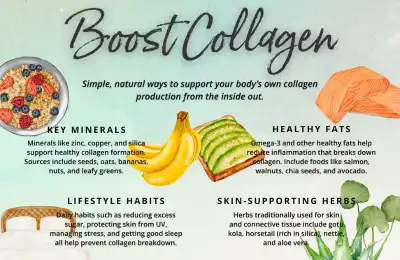
The following steps provide practical ways to support your body’s ability to create and protect collagen, which you can weave into your daily routine.
1. Eat More Collagen-Boosting Foods
Food plays a central role in supporting healthy skin; a nutrient-rich diet helps the body maintain strong collagen levels. Examples of helpful collagen-boosting foods include:
- Bone broth (often considered the richest source of natural collagen).
- Fish with the skin intact.
- Chicken skin and connective tissues.
- Egg whites.
- Beans, lentils, and nuts.
2. Boost Vitamin C Intake
Vitamin C supports the natural process of collagen synthesis, making it essential for anyone wanting to boost collagen naturally. It gives the body the tools it needs to regenerate and strengthen the skin’s structure. Foods rich in vitamin C include:
- Citrus fruits.
- Berries such as strawberries and blackcurrants.
- Kiwi.
- Bell peppers.
- Broccoli.
3. Hydrate With Collagen-Friendly Drinks
Some drinks provide additional nourishment that encourages the skin to look plump and healthy. Helpful collagen-supporting beverages include:
- Bone broth.
- Green tea.
- Fruit and vegetable smoothies.
- Aloe vera juice.
4. Protect Skin From Sun Damage
UV exposure is one of the main factors behind premature collagen breakdown. Using a daily SPF helps shield the skin from harmful rays that gradually weaken collagen, and wearing protective clothing and hats adds an extra layer of defence, particularly during brighter months. These habits help maintain the appearance of the skin on the face, arms, and body.
5. Retinoids and Natural Alternatives
Retinoids, which are vitamin A derivatives, help encourage the skin to renew itself and produce more collagen. They support cell turnover, contributing to a smoother, stronger skin surface. For those looking for gentler or plant-based alternatives, options include:
- Rosehip oil.
- Bakuchiol.
- Carrot seed oil.
6. Facial Massage and Stimulation Techniques

Gentle facial stimulation encourages circulation and may support the skin’s natural repair processes. Techniques that promote movement and relaxation, such as gua sha, jade rolling, facial yoga, and lymphatic drainage, can assist with elasticity and may support increased collagen production over time.
7. Sleep and Stress Management
The body performs much of its repair and regeneration during sleep, including processes involved in collagen formation. Managing stress also plays an important role in maintaining collagen, as chronic stress can affect the skin’s ability to repair itself. Supportive habits include:
- Creating a regular sleep routine.
- Engaging in gentle mindfulness or breathing exercises.
- Keeping caffeine intake moderate.
- Taking short breaks during demanding days.
8. Maintain a Balanced Skincare Routine

A consistent skincare routine helps create a healthy environment for collagen to thrive. Hydrating ingredients, antioxidants, and gentle exfoliants help the skin stay smooth. Helpful ingredients include:
- Hyaluronic acid.
- Peptides.
- Niacinamide.
- Vitamin C serums.
- Mild exfoliating acids.
Frequently Asked Questions
How long does it take to see results from natural collagen-boosting methods?
Natural methods work gradually, and most people begin noticing subtle improvements in smoothness and overall radiance after several weeks of consistent habits. More visible changes usually continue to develop over a few months as the skin renews itself.
Is it possible to overuse collagen-supporting skincare ingredients?
Some ingredients, such as retinoids or exfoliating acids, can cause irritation when used too often. Hydrating and soothing ingredients can be used daily, while stronger collagen-supporting products may work best a few times a week, depending on skin sensitivity.
Does exercise help improve collagen levels in the skin?
Regular exercise improves circulation, which delivers more oxygen and nutrients to the skin. This supports the body’s natural repair processes, including collagen formation. Movement also helps maintain muscle tone, which contributes to a firmer appearance.
Do natural methods work alongside collagen supplements?
Natural approaches such as diet, lifestyle improvements, and skincare routines complement collagen supplements very well. Supporting the body internally and externally often leads to more noticeable and longer-lasting results.
Can collagen production be supported at any age?
The body can benefit from collagen-supporting habits throughout life. Whether someone is in their twenties or their sixties, improving diet, protecting the skin, and maintaining healthy routines can help strengthen the skin and make it more resilient.
Recommended for you!
Best SellersStudy Our Understanding Skin Health Diploma for £29
If you want to make informed choices about your daily routine and long-term well-being, the Understanding Skin Health Diploma Course offers guidance for learners of all levels. You can study this course for just £29 and gain valuable insights into skincare and natural techniques to support healthy, radiant skin.