Native American symbols carry deep spiritual and cultural significance, with meanings passed down through generations across hundreds of distinct tribes and nations. If you've come across a symbol you'd like to understand, or you're simply curious about the rich symbolism behind Native American art and tradition, this guide walks you through some of the most recognised symbols and what they represent.
What's in this Guide?
This guide covers common Native American symbols and their meanings, including animal totems, sacred patterns, and tribe-specific symbolism. You'll also find guidance on engaging with these symbols respectfully.
Jump to:
What Are Native American Symbols?
Native American symbols are visual representations used across many tribes and nations to convey spiritual beliefs, natural elements, and cultural values. It's worth noting that "Native American" covers hundreds of distinct tribes, each with their own language, traditions, and symbolism, so meanings can vary quite a bit depending on which nation a symbol comes from.
That said, some symbols and themes appear widely enough that they're commonly recognised across many tribal traditions, including:
- Animals representing specific qualities or spirit guides
- Geometric patterns tied to the natural world, such as the four directions
- Symbols representing protection, such as the dreamcatcher
- Spiral and sun symbols connected to life cycles and growth
- Colours carrying their own spiritual meaning within ceremonies and art
Common Native American Symbols and Their Meanings
Several symbols come up frequently across different tribal traditions, each carrying its own story. This includes common Native American animal symbols, birth totems similar to Native American zodiac signs, and symbols from Native American tribes with their own distinct traditions.
The Thunderbird
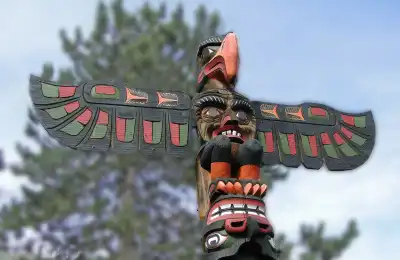
The thunderbird is one of the most widely recognised Native American symbols, representing power, protection, and the ability to bring rain and thunder to the land. In many Plains and Pacific Northwest traditions, it's described as a supernatural bird so powerful that the beating of its wings creates thunder, while lightning flashes from its eyes. What the thunderbird represents can shift slightly between nations, ranging from a guardian spirit watching over the people to a symbol of strength and transformation, and it appears frequently in totem poles, ceremonial art, and storytelling.
The Feather
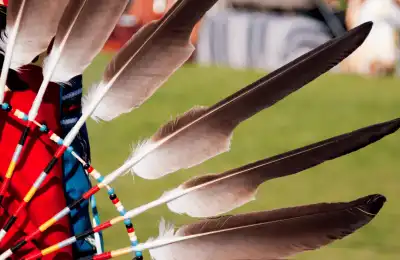
The feather holds deep spiritual significance across many tribes, often symbolising honour, strength, and a connection to the divine. Native American feather meanings can also depend on which bird the feather comes from, with eagle feathers, in particular, reserved for people who've earned great respect within their community through acts of bravery or service. Feathers are often incorporated into ceremonial headdresses and regalia, and giving someone a feather is traditionally considered a significant, respectful gesture rather than a casual gift.
The Arrow and Arrowhead
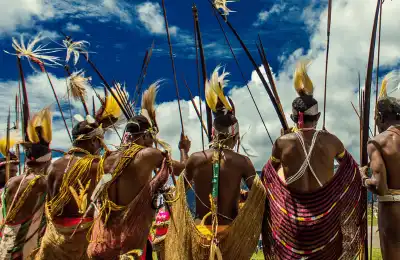
The arrow represents protection and direction, while the arrowhead is often used as a symbol of alertness and readiness. The direction an arrow points can shift its meaning considerably: an upward-pointing arrow sometimes represents hope or life, while a downward-pointing arrow is more closely associated with peace, particularly when paired with a broken or bent shaft. Two crossed arrows are often used to symbolise friendship between people or nations.
The Spiral
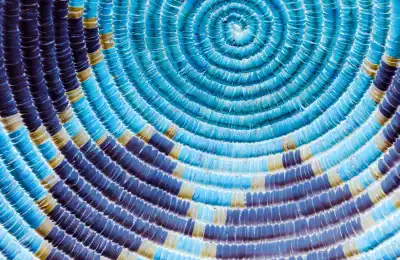
The spiral appears across many traditions as a representation of growth, life cycles, and the journey of the soul. It's frequently found in ancient petroglyphs, sometimes read as a map of a person's path through life from birth to old age, while in other contexts it's linked to the movement of wind, water, or the changing seasons.
The Four Directions
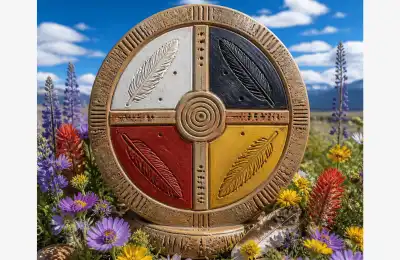
The four directions symbol reflects balance between north, south, east, and west, along with the elements and seasons each direction is believed to govern. Many tribes assign a specific colour and animal guardian to each direction, sometimes referred to as the four winds or grandfather directions, though the exact colours and animals vary considerably depending on the nation. This symbol is often central to ceremonies, healing practices, and the structure of the medicine wheel.
The Dreamcatcher
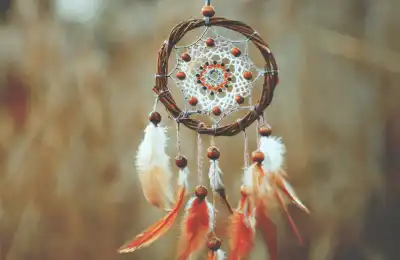
The dreamcatcher is intended to filter out bad dreams while allowing good dreams to pass through, making it one of the most widely recognised symbols of protection. Traditionally originating with the Ojibwe people, dreamcatchers were often hung above a baby's cradle for protection during sleep and were woven from a willow hoop and natural sinew. Dreamcatcher colours can carry their own meaning, too, with different-coloured beads and threads sometimes chosen to represent specific intentions or blessings.
The Eagle
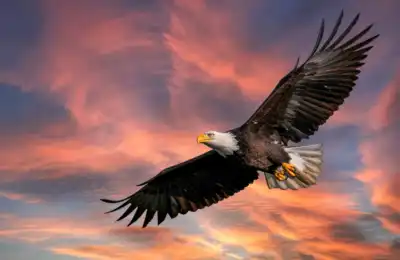
Among Native American animal symbols, the eagle is one of the most sacred, associated with courage, wisdom, and a close connection to the divine. Eagles are often seen as messengers between people and the Creator, flying closer to the sky and sun than any other bird, and eagle feathers earned through acts of courage are treated with particular reverence within many communities.
The Wolf
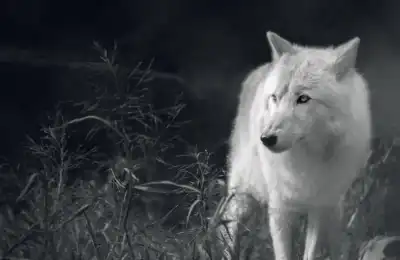
The wolf represents loyalty, family, and intuition, reflecting the strong pack bonds wolves form in the wild. In several tribal traditions, the wolf is also seen as a teacher and pathfinder, guiding others through difficult terrain both literally and spiritually, and some nations include a wolf clan within their broader family and community structure.
The Bear
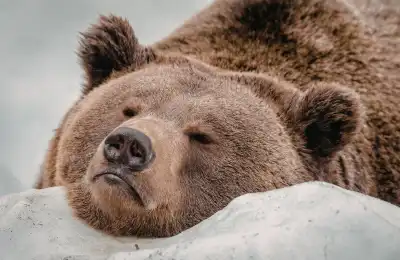
The bear symbolises strength, healing, and introspection, often associated with courage and a close connection to the natural world. Because bears hibernate through winter before emerging renewed in spring, they're frequently associated with healing, rest, and personal transformation, and bear claw motifs are commonly used in traditional regalia and jewellery as symbols of protection.
The Turtle

The turtle represents longevity, patience, and a strong connection to the earth. In several creation stories, particularly among Northeastern tribes, North America itself is referred to as Turtle Island, with the turtle's shell symbolising the foundation upon which the world was built, making it one of the most significant symbols of stability and endurance.
The Owl
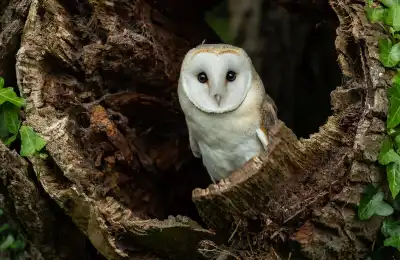
The owl is often associated with wisdom and intuition, though interpretations vary across tribes: some view it as a sign of insight, while others associate it with warnings or the spirit world. Because owls are active at night and move almost silently, they're frequently associated with the unseen, the supernatural, and messages that aren't immediately apparent.
The Buffalo
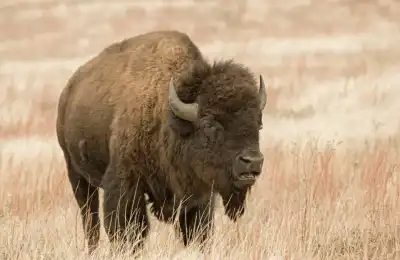
The buffalo, particularly significant to Plains tribes, represents abundance, gratitude, and provision. Historically, the buffalo provided food, shelter, clothing, and tools, making it central to survival and spirituality; a white buffalo, in particular, is considered an extremely rare and sacred sign, often associated with prophecy, hope, and renewal.
Navajo Symbols
Navajo art often features geometric patterns and rug designs, each carrying specific meaning tied to protection, balance, and storytelling. This is a common symbol style from Native American tribes in the Southwest, and the whirling logs symbol, an ancient design representing wellbeing and good fortune, is one that's frequently misunderstood today due to its visual similarity to the swastika, despite having an entirely separate and much older origin and meaning within Navajo culture.
Cherokee Symbols
Cherokee symbolism includes a written syllabary developed by Sequoyah in the early 19th century, as well as symbols representing strength and the seven Cherokee clans. The number seven holds particular spiritual significance within Cherokee tradition, as reflected in symbols such as the seven stars.
Lakota and Sioux Symbols
The medicine wheel is central to Lakota and Sioux symbolism, representing the interconnectedness of all life, the four directions, and the cycles of nature. Colours within the medicine wheel often carry their own meanings tied to these directions and elements.
Hopi Symbols
Kachinas are central to Hopi symbolism, representing spiritual beings that embody natural elements, ancestral spirits, or forces such as rain and growth, and are portrayed by masked dancers during ceremonies throughout the year. Kachina dolls, carved from cottonwood root, aren't toys in the everyday sense, but are traditionally given to children to teach them about these spirits, alongside other symbols tied to corn, rain, and clouds that reflect just how central farming and rainfall are to Hopi life and spirituality.
Is It Respectful to Use Native American Symbols?
Whether it's respectful depends on the specific symbol, its cultural context, and how it's being used. Many Native American symbols carry sacred or ceremonial significance specific to a particular tribe, and using them without understanding or respecting that context, particularly for fashion or decoration, can be seen as cultural appropriation.
If you're drawn to a specific symbol, it's worth taking the time to research which tribe it comes from, what it means within that culture, and whether it holds any sacred or restricted significance. Supporting Native-owned artists and businesses is also a meaningful way to engage with this symbolism respectfully, rather than using generic or mass-produced imagery that’s detached from its origins.
Frequently Asked Questions
Is the Term "Spirit Animal" Offensive?
Opinions are genuinely divided on this. Some argue the term has been separated from its specific tribal and spiritual origins through casual, mainstream use, while others use it more broadly without intending disrespect. If you're unsure, terms like "power animal" or "animal guide" are considered safer, more general alternatives.
What Is the Native American Symbol for Strength?
Symbols associated with strength vary by tribe, though the bear is widely recognised across many traditions as representing physical and inner strength, alongside courage and resilience.
What Is the Native American Symbol for Love?
There isn't one single universal symbol for love across all tribes, though certain floral and heart-like motifs appear in various traditions, often tied to specific ceremonies or personal relationships within that culture.
What Do the Beads and Feathers on a Dreamcatcher Mean?
Traditionally, the web of a dreamcatcher is believed to filter out bad dreams while allowing good dreams to pass through, with feathers said to guide those good dreams down to the sleeper. Beads are sometimes added to represent the good dreams that were caught.
Can I Get a Native American Symbol Tattoo?
It depends heavily on the specific symbol and your own background. Some symbols are considered sacred or restricted to specific tribal members, while others are more broadly shared. If you're considering this, it's worth researching the specific symbol thoroughly and, where possible, seeking guidance from Native artists or cultural sources.
What Is the Native American Swastika Symbol?
Some Native American cultures, including the Navajo, historically used a whirling logs symbol that visually resembles the swastika, though it carries an entirely different and much older meaning tied to wellbeing and good fortune. Due to the association with the symbol's more recent history, many tribes have chosen to retire its use.
How Can I Find Out Which Tribe a Symbol Belongs To?
Museum collections, tribal nation websites, and books written by Native American authors or scholars are generally more reliable starting points than generic search results, since many symbols look similar across different tribes despite having distinct meanings. Crediting the specific tribe when sharing or using a symbol is considered good practice.
Recommended for you!
Best Sellers


Study Native American Studies for £29
If this introduction to Native American symbolism has sparked your interest, our Native American Studies Diploma Course offers a much deeper look into the history, culture, and traditions behind these symbols. You'll explore the rich diversity of Native American nations in far more depth, and for a limited time, you can enrol for just £29.