Your birth chart can reveal the moods and patterns that shape how you respond to life. Learning to interpret it allows you to recognise your inner strengths, understand emotional tendencies, and make sense of your relationships and personal growth.
This guide explores how to read your natal chart in astrology, offering clear steps to understand the symbols, patterns, and meanings found within your chart.
Jump to:
What Is a Natal Chart?
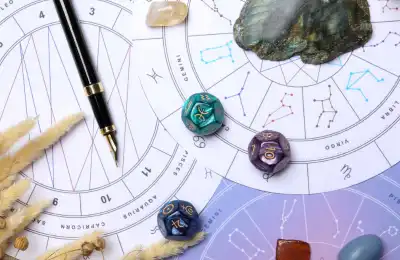
A natal chart, sometimes called a birth chart, is a map of the sky at the exact moment and place you were born. It shows where the planets were positioned from Earth’s perspective and illustrates how their energies combine to shape your personality, emotional landscape, and behaviour.
Each planet represents a different psychological drive, while each zodiac sign expresses that drive in its own way, and each house highlights the area of life influenced by these energies. When these layers overlap, they form a complete picture that helps you understand your astrology chart on a deeper level.
Recommended for you!
Best Sellers


Key Components of a Natal Chart
Several core elements make up the foundation of a natal chart:
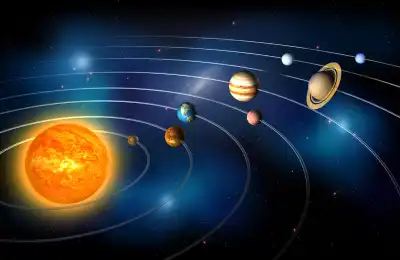
- The Planets: These planets represent different aspects of your personality. The Sun shows identity, the Moon reflects emotional needs, Mercury relates to communication, Venus expresses love and values, Mars indicates drive, Jupiter symbolises growth, Saturn represents discipline, Uranus shows rebellion, Neptune expresses intuition, and Pluto symbolises transformation.
- The Zodiac Signs: Each planet sits within one of the twelve zodiac signs. The sign shows how the planet behaves. For example, Mars in Leo expresses energy confidently and creatively, while Mars in Virgo expresses energy methodically and practically.
- The Houses: The chart is divided into twelve houses, each representing different life areas such as communication, creativity, relationships, career, and spirituality. Learning how to read the houses of your birth chart helps you discover which areas of life are emphasised by your planetary placements.
- Aspects: Aspects describe how the planets interact. They show harmony, tension, or blended energy within your personality and life experiences.
How to Read a Birth Chart in 4 Steps
Each step highlights a different layer of interpretation and guides you through reading your own chart with purpose and insight.
1. The ‘Big Three’: Sun, Moon, and Rising Sign
The first step is to locate your Sun, Moon, and Rising sign. These are known as your “Big Three” because they offer the most immediate insight into your nature.
The Sun describes your core identity and the qualities you naturally grow into. It supports your motivations and reveals what energises you. The Moon highlights emotional needs, instinctive reactions, and what helps you feel safe and nurtured. The Rising sign, also known as the Ascendant, reflects the way you present yourself outwardly, as well as the lens through which you approach life.
2. The Planets: Signs and Houses
The second step is to explore the rest of the planets in your chart. Each planet expresses a specific psychological function, and its zodiac sign shows how that function is expressed. The house placement highlights the life area influenced by that planetary energy.
For example, Mars in the 10th house may bring ambition and drive into career matters, while Venus in the 7th house may encourage harmony in partnerships. These combinations offer practical insight into how different parts of your life operate.
3. Aspects: How the Planets Interact
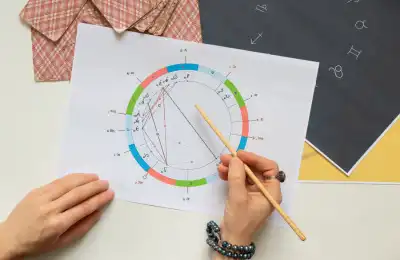
The third step is to interpret the aspects: the lines connecting the planets inside the chart circle. These lines show how different parts of your personality influence one another, allowing you to see how your talents develop, where you experience inner conflict, and which parts of life feel naturally connected.
Supportive aspects, such as trines, tend to bring ease, while more challenging aspects, such as squares, often inspire growth through tension. Oppositions highlight the need for balance, and conjunctions blend energies powerfully.
4. Reflect on Recurring Themes
The final step is to look for patterns that appear more than once. Multiple planets in the same sign or house can show a strong emphasis in a particular life area. A chart with many planets in fire signs may indicate enthusiasm and spontaneity, while a chart with many planets below the horizon often expresses an introspective nature.
Frequently Asked Questions
Do I need an exact birth time to read my natal chart?
An exact birth time provides the most accurate chart, especially for determining your Rising sign and the house placements of the planets. However, if your birth time is unknown, you can still explore your Sun, Moon (depending on the day), and planetary signs.
Is my chart more important than my daily horoscope?
Your natal chart offers far more personalised and detailed insight than general horoscopes. Horoscopes only apply to broad Sun-sign patterns, while your chart reflects the unique combination of planetary positions at your exact birth.
Can two people be compatible even if their charts seem very different?
Astrological compatibility is complex and doesn’t rely on matching signs alone. Differences in charts can complement each other, creating balance and mutual learning. Connection depends more on how two people relate emotionally, communicate, and support one another than on shared astrological placements.
What are the symbols in a natal chart?
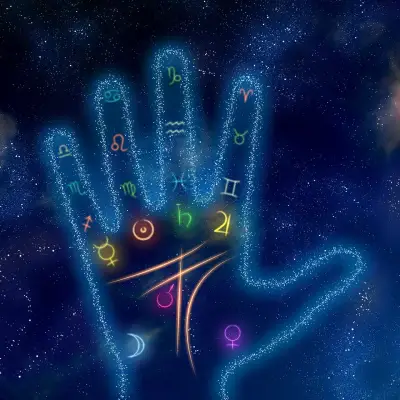
The astrological symbols, called glyphs, are shorthand icons used to represent planets, zodiac signs, and aspects in your birth chart. Learning glyphs makes it much easier to read charts at a glance.
Recommended for you!
Best SellersStudy Our Astrology Diploma for £29
If you want to deepen your understanding of astrology, the Astrology Diploma Course provides a rich and accessible introduction to the planets, houses, aspects, forecasting, and interpretation techniques. You can access the full course for the discounted price of £29!.