
Herbs have long been linked with folk traditions, seasonal rituals, and symbolic meanings that help people feel grounded and hopeful. You might be researching herbs for luck because you want to feel more supported day to day.
While herbs can’t magically change your fate overnight, they can be powerful reminders of confidence and fresh beginnings. Many cultures have associated certain plants with prosperity, protection, and happiness for generations. Let’s explore some of the most well-known good luck herbs and how you can use them.
Jump to:
What Herb Is Good for Luck?
The answer depends on what kind of luck you’re seeking. Some herbs are linked with:
- Wealth and abundance
- Love and friendship
- Protection from negativity
- Success in new ventures
- Peace and emotional balance
A few herbs, like basil and rosemary, are especially well known for their positive associations across different traditions. The best herb for luck is often the one that feels meaningful to you, whether because of its scent, history, or the intention you connect with it.
1. Basil
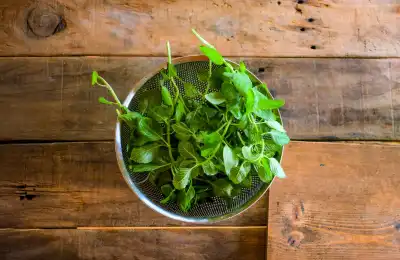
Basil is one of the most widely recognised herbs for luck, with strong associations with prosperity and happiness across many cultures. It has often been linked with financial success and creating a peaceful atmosphere within the home, which is why it appears so frequently in traditional good fortune practices.
This herb is familiar and comforting, making it easy to include in everyday life. Whether grown fresh or dried, basil has a long history as a symbol of abundance and positive intention.
How to use basil for luck
You can keep a basil plant in your kitchen as a lucky symbol that encourages steady prosperity. Adding fresh basil to meals is thought to invite positive energy into everyday routines, while dried basil can be placed in a small sachet and carried with you as a reminder of good fortune.
2. Rosemary

Rosemary has long been valued as a protective herb, believed to help clear away unwanted energy while supporting focus and mental clarity. In traditional practices, it's often associated with strength and protection, making it a popular choice during times of change or uncertainty.
Many people also connect rosemary with fresh starts and renewal. Its strong scent and evergreen nature have helped it maintain a reputation as a herb that encourages resilience and positive forward movement.
How to use rosemary for luck
Dried rosemary can be burned safely as a traditional cleansing practice to refresh a space. You might also add rosemary to bath water for a simple ritual that encourages clarity and calm, or place rosemary sprigs near your front door to symbolise protection and positive energy.
3. Bay Leaves

Bay leaves have a strong reputation for attracting success and good fortune, particularly in personal goals and achievements. Historically, bay has been associated with victory, recognition, and progress, which is why it's often used in intention-based practices.
This herb is commonly linked with career luck and personal growth. Bay leaves are especially popular when people want to focus on new ambitions or reinforce confidence in their own abilities.
How to use bay leaves for luck
You can write a positive intention or goal on a dried bay leaf as a symbolic act of focus. Burning the leaf safely in a fireproof dish is traditionally thought to release that intention into the world. Taking a moment to reflect afterwards helps reinforce a sense of fresh beginnings.
4. Mint
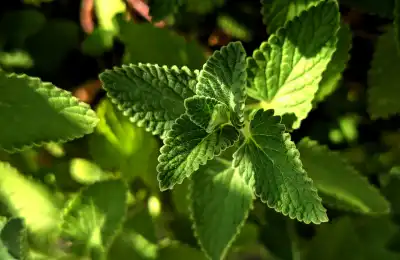
Mint is often connected with freshness, abundance, and uplifting energy, making it a popular herb for encouraging positive change. Its bright scent and cooling nature have long been associated with renewal and emotional balance.
Because mint is widely used in food and drink, it's easy to incorporate into daily life. Many traditions view it as a herb that supports steady, everyday good fortune rather than sudden luck.
How to use mint for luck
Drinking mint tea can help promote a clear and calm mindset when you need focus or reassurance, while adding mint to meals can symbolise freshness and new opportunities. Growing mint near your home is thought to encourage a sense of positive flow and renewal.
5. Cinnamon
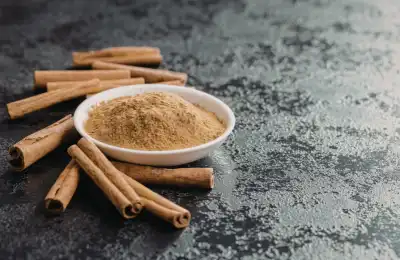
Cinnamon is one of the most well-known spices associated with luck and success. It's strongly linked with warmth, motivation, and abundance, and has been valued for centuries in both trade and tradition.
Its rich aroma has helped cinnamon become a symbol of comfort and confidence. Many people associate it with encouraging action and inviting positive outcomes.
How to use cinnamon for luck
You can sprinkle cinnamon into drinks or baking as a simple way to invite warmth and abundance. Adding cinnamon to herbal blends is often associated with confidence and motivation. It's also commonly used in seasonal rituals that focus on prosperity.
6. Cloves
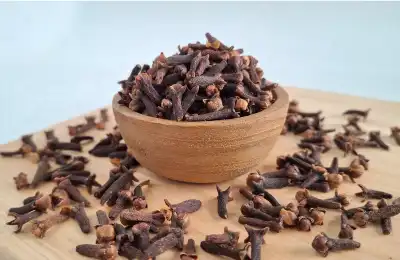
Cloves have often been associated with protection and inner strength. Historically, they were highly prized in trade, which contributed to their reputation as a symbol of wealth and good fortune.
This small but powerful spice is commonly linked with financial luck and resilience. Cloves are often used when people want to feel more secure or supported.
How to use cloves for luck
Cloves can be added to warming teas or cooking to symbolise comfort and prosperity. Keeping a few whole cloves in a small sachet is thought to encourage protection and good fortune. They're also often used in seasonal decorations associated with abundance.
7. Sage

Sage is widely known for its cleansing associations and is often used to clear away negative or stagnant energy. It represents renewal and fresh beginnings, making it especially meaningful during transitions.
Many traditions view sage as a herb that helps create space for better fortune. By clearing the old, it symbolically allows room for positive change.
How to use sage for luck
Keeping sage in the home is often seen as a symbol of protection, and sage incense can be used carefully to create a calm and refreshed atmosphere. Culinary sage added to meals is thought to promote grounding and balance.
8. Lavender
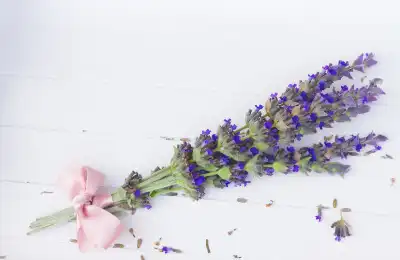
Lavender is strongly connected with calm, harmony, and emotional wellbeing. While it may not always be labelled a lucky herb, it’s often associated with peaceful fortune and balance in relationships.
Its gentle scent and soothing nature make lavender especially helpful when luck is viewed as emotional stability and contentment.
How to use lavender for luck
Lavender sachets placed under your pillow are often linked with restful sleep and calm thoughts. Lavender oil can be used for relaxation during stressful periods, while drinking lavender tea blends in the evening may help promote a sense of peace and balance.
9. Chamomile
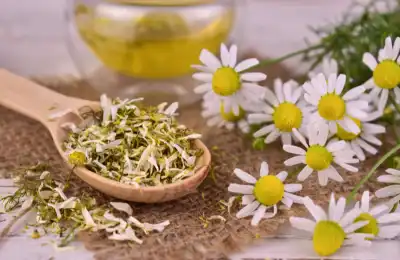
Chamomile has long been linked with soothing energy and good fortune. In folk traditions, it's often associated with emotional support and everyday luck.
This herb is commonly used when people want to invite calm confidence into their lives. Its gentle nature makes it ideal for subtle, steady positivity.
How to use chamomile for luck
Drinking chamomile tea can help encourage calm and emotional balance, while adding chamomile to bath water is often used as a relaxing ritual. Growing chamomile in your garden can serve as a symbol of quiet good fortune.
Frequently Asked Questions
What herb is good for luck in everyday life?
Basil is often considered one of the best herbs for luck in daily life because it's easy to use and widely associated with abundance and harmony. Mint and chamomile are also popular choices for everyday luck, as they're linked with renewal and emotional balance.
What spice brings good luck?
Cinnamon is one of the most well-known spices associated with good luck. It is traditionally linked with success and abundance, and is commonly used in cooking, drinks, and seasonal rituals focused on prosperity.
What herb do you burn for good luck?
Rosemary is one of the most commonly burned herbs for good luck and protection. Bay leaves and sage are also traditionally burned in safe, controlled settings as symbolic practices to clear negativity and invite positive energy.
What plants are associated with luck?
Plants often associated with luck include basil, mint, bay, and lavender, as well as well-known symbols such as clover and bamboo. These plants are commonly linked with abundance and positive beginnings across different cultures.
How can you increase luck naturally?
Many people believe luck can be encouraged naturally by creating positive routines, maintaining a calm and welcoming environment, and setting clear intentions. Using herbs for luck can act as a meaningful reminder of those intentions, helping you stay focused and confident in daily life.
What is the luckiest plant in the world?
Basil, clover, and bamboo are frequently mentioned as some of the luckiest plants in the world due to their strong associations with prosperity, protection, and abundance. There’s no single answer, as the luckiest plant often depends on cultural traditions.
Recommended for you!
Best Sellers



Study Master Herbalism for £29
Herbs have always held a special place in both everyday life and traditional practices, offering comfort and natural support. If you’d like to deepen your understanding of herbal traditions, remedies, and plant knowledge, our Master Herbalism Diploma Course is a wonderful next step. You can study online at your own pace, and if you follow the link today, you can access the course for a discounted price of just £29.




