Japanese myths are filled with captivating tales of gods, spirits, heroes, and strange creatures. They’re part of a vast body of stories, passed down through centuries to explain the natural world, human behaviour, and the origins of life.
Below, we explore 10 of the most fascinating Japanese myths. Many of these Japanese folklore stories are as much about moral lessons and cultural identity as they are about epic battles and magical transformations.
Jump to:
- The Creation of Japan – Izanagi and Izanami
- Amaterasu, the Sun Goddess
- Susanoo and the Eight-Headed Serpent
- The Tale of Urashima Tarō
- The Bamboo Cutter and the Moon Princess
- The Japanese Myth of Death – Yomi
- Momotarō, the Peach Boy
- Tengu – The Mischievous Mountain Spirits
- The Longest Japanese Name Myth – Princess Iitoyo no Aoikuma no Morosachi Hime
- Kitsune – The Fox Spirits
- Why These Myths Still Matter
- Frequently Asked Questions About Japanese Myths
- Study Our Japanese Mythology Diploma for £29
Recommended for you!
Best Sellers






1. The Creation of Japan – Izanagi and Izanami
One of the best-known myths of Japan tells how the islands themselves came into being. According to an ancient Japanese legend, the gods Izanagi and Izanami were given the task of creating the world. Standing on a bridge between heaven and earth, they stirred the sea with a jewelled spear. When they lifted it, drops fell and formed the first island, Onogoro.
The couple descended to the island, married, and gave birth to more islands, which would become Japan. But tragedy struck when Izanami died giving birth to the fire god. Heartbroken, Izanagi journeyed to the underworld to bring her back.
This tale explains Japan’s origins and hints at the ancient Shinto belief in a connection between the living and the dead.
2. Amaterasu, the Sun Goddess

Amaterasu is the most celebrated figure in Japanese mythology. She’s the sun goddess and ruler of the heavens, credited with bringing light to the world.
One famous tale tells how her brother Susanoo’s destructive behaviour drove her into a cave, plunging the world into darkness. The other gods lured her out by hanging a mirror outside the cave and performing a raucous dance. Curious, Amaterasu peeked out, saw her reflection, and was pulled back into the light.
This story is still honoured in Shinto rituals today and reflects the importance of the sun in Japanese folklore.
3. Susanoo and the Eight-Headed Serpent
Susanoo, the storm god and brother of Amaterasu, is known for his wild, unpredictable nature. One of his greatest feats was slaying Yamata no Orochi, a fearsome serpent with eight heads and eight tails.
In this myth, Susanoo found a family whose daughters were being sacrificed to the serpent each year. The last daughter, Kushinada-hime, was about to be taken when Susanoo devised a plan. He tricked the creature into drinking sake, then cut off each head. Inside one tail, he discovered the legendary sword Kusanagi, later gifted to Amaterasu.
This myth combines heroism, danger, and divine destiny, a common thread in Japanese myths.
4. The Tale of Urashima Tarō
A beloved Japanese folklore story, Urashima Tarō tells of a fisherman who saved a turtle and was rewarded with a visit to the Dragon Palace under the sea. There, he met a princess and stayed for what felt like days.
When he returned home, he found that hundreds of years had passed. The princess had given him a mysterious box with instructions never to open it, but his curiosity got the better of him. Inside was a puff of smoke that aged him instantly.
This bittersweet tale reflects a recurring theme in Japanese legends and myths: the fleeting nature of time.
5. The Bamboo Cutter and the Moon Princess

Known as The Tale of the Bamboo Cutter (Taketori Monogatari), this is often considered Japan’s oldest written narrative.
A bamboo cutter finds a glowing stalk, and inside is a tiny girl. He and his wife raise her, and she grows into the beautiful Kaguya-hime. Many suitors try to win her hand with impossible tasks, but she refuses them all. Eventually, she reveals she is from the Moon and must return there, leaving her earthly parents heartbroken.
This story blends Japanese folklore with a sense of melancholy and wonder that still resonates today.
6. The Japanese Myth of Death – Yomi
In Shinto belief, death is tied to the realm of Yomi, the land of the dead. This concept is closely tied to the story of Izanagi and Izanami.
After Izanami’s death, Izanagi followed her into Yomi, only to find she had eaten the food of the underworld and could not return. When she emerged, her body was decayed and crawling with demons. Horrified, Izanagi fled, blocking the entrance with a boulder.
This myth explains traditional Japanese ideas about purity, death, and the separation of the worlds of the living and the dead.
7. Momotarō, the Peach Boy
One of the most beloved Japanese myths and legends, Momotarō tells the story of a boy who floated down a river inside a giant peach. An elderly couple found him, raised him, and he grew into a strong young man.
When demons began terrorising the land, Momotarō set out to defeat them with the help of a dog, a monkey, and a pheasant. Together, they defeated the demons and brought peace.
This light-hearted tale celebrates teamwork, kindness, and courage, qualities still admired in Japanese folklore stories.
8. Tengu – The Mischievous Mountain Spirits
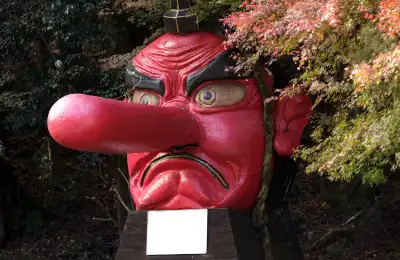
In Japanese folklore, Tengu are supernatural beings that can be both helpful and troublesome. Often depicted with long noses and bird-like features, they live in the mountains and are skilled in martial arts. Some Japanese myths portray them as protectors of sacred places, while others describe them as tricksters who test or mislead humans.
The Tengu myth reflects a cultural respect for nature’s power and a wariness of those who dwell too far from civilisation.
9. The Japanese Myth with the Longest Name – Princess Iitoyo no Aoikuma no Morosachi Hime
There is a tale linked to the extraordinarily long name of Princess Iitoyo no Aoikuma no Morosachi Hime. While her story is less widely known, her name is a source of fascination. In Japanese mythology legends, such elaborate names often signified high status, divine ancestry, or significant destiny.
The inclusion of her name in myths and legends of Japan shows how titles and language were as much a part of myth-making as the deeds themselves.
10. Kitsune – The Fox Spirits
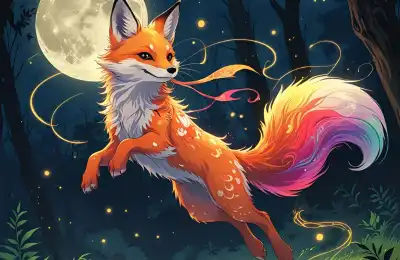
Kitsune are among the most famous figures in Japanese myths and legends. These magical foxes can shape-shift into humans, often beautiful women.
Depending on the tale, they may be wise protectors, devoted lovers, or cunning tricksters. In Japanese folklore, the fox is closely linked to Inari, the Shinto deity of rice and prosperity.
Stories about kitsune often carry lessons about trust, loyalty, and deception, making them as relevant today as they were centuries ago.
Why These Myths Still Matter
Whether it’s the Japanese myth of death or the bravery of Momotarō, these Japanese folklore stories have shaped art, literature, and traditions for centuries. They’re more than entertainment; they carry the beliefs, fears, and hopes of the people who told them.
By exploring these Japanese myths and legends, you gain insight into how ancient Japan viewed the world. You’ll see how these stories are woven into everything from seasonal festivals to modern films and anime.
Recommended for you!
Best SellersFrequently Asked Questions About Japanese Myths
Are Japanese myths part of a specific religion?
Many Japanese myths and legends come from Shinto, Japan’s indigenous religion, which centres on the worship of kami: gods, spirits, and natural forces. Others are influenced by Buddhism, which arrived in Japan from China and Korea, and by folk traditions passed down orally over generations.
How were myths from Japan originally recorded?
The earliest written collections of Japanese myths appear in the Kojiki (“Records of Ancient Matters”, compiled in 712 AD) and the Nihon Shoki (“Chronicles of Japan”, 720 AD). Before these works, stories were shared orally by storytellers, priests, and community elders.
What role do animals play in Japanese folklore stories?
Animals are central to many Japanese folklore stories and often symbolise specific traits. For example, cranes are symbols of longevity, foxes (kitsune) are linked to magic and transformation, and turtles are connected with wisdom and long life.
Do Japanese myths influence modern culture?
You can find elements of Japanese mythology in anime, manga, films, literature, and video games. Characters like Amaterasu and Susanoo often appear in modern adaptations, and the themes from Japanese folklore, such as transformation, honour, and the balance of nature, continue to inspire creators.
Can myths from Japan vary depending on the region?
The same myth might have slightly different details or endings depending on where it’s told. This variety reflects Japan’s diverse local traditions and the influence of different historical periods.
Study Our Japanese Mythology Diploma for £29
If these Japanese legends and myths have inspired you, why stop here? The world of Japanese mythology is vast, and every tale reveals something new about its culture and history.
At Centre of Excellence, you can take your interest further with our Japanese Mythology Diploma Course. Right now, you can enrol for just £29.