If you've ever found yourself fascinated by the national flags of the world, you're in the right place. Flags are far more than colourful rectangles on poles, they carry centuries of history, cultural identity, political struggle, and national pride, often packed into a surprisingly small piece of fabric.
Jump to:
How Many World Flags Are There?
There are 195 recognised national flags in the world today. This figure corresponds to the 193 member states of the United Nations, plus three additional entries: Vatican City, Palestine, and Taiwan. Each flag is unique, representing a sovereign nation with its own history, culture, and identity, and no two are completely identical, even when they share colours and symbols.
What Do National Flags Represent?
The meaning of flags varies widely from country to country, but most national flags are designed to communicate something specific about the nation they represent. Common themes include:
- Geography: Blue often represents the sea or sky; green may symbolise forests, fertile land, or Islam.
- History: Many flags reference independence movements, colonial heritage, or wars fought.
- Religion: Crescent moons, crosses, and stars frequently denote a nation's dominant faith.
- Unity and values: Colours like red, white, and blue appear across many flags to represent courage, peace, and freedom.
196 Flags of the World
Below you'll find every single flag in the world listed in alphabetical order, from Afghanistan to Zimbabwe. Each entry gives you a brief overview of the flag's design and the symbolism behind it.
1. Afghanistan
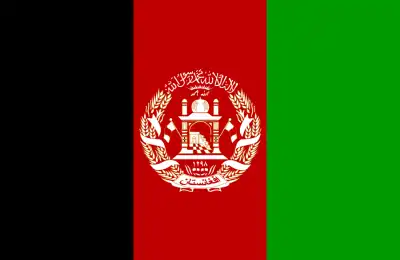
Afghanistan's flag features three vertical stripes of black, red, and green, with the national emblem in the centre. The black represents the dark past, red symbolises the blood shed for independence, and green stands for hope and prosperity.
2. Albania
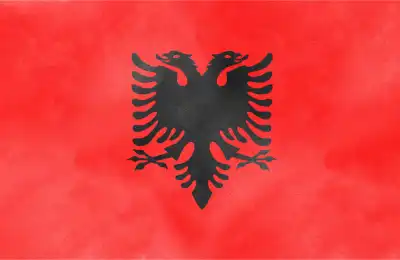
Albania's flag is one of the most distinctive in the world, featuring a striking black double-headed eagle on a red background. The eagle is a centuries-old symbol of the Albanian people, and the red represents bravery and strength.
3. Algeria
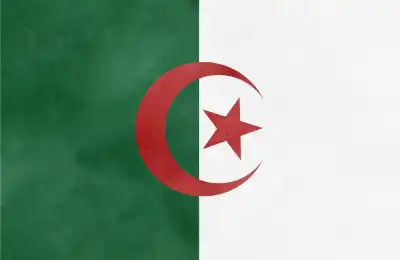
Algeria's flag is divided vertically into green and white halves, with a red crescent and star in the centre. Green and white represent Islam and purity respectively, while the crescent and star are traditional symbols of the faith.
4. Andorra
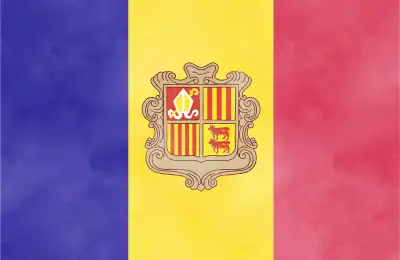
Andorra's flag features three vertical stripes of blue, yellow, and red, with the country's coat of arms in the centre. The coat of arms reflects Andorra's unique position as a co-principality governed jointly by France and the Bishop of Urgell.
5. Angola
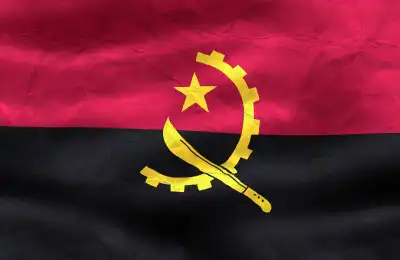
Angola's flag has two horizontal stripes of red and black, with a golden emblem in the centre featuring a machete, a star, and half a cogwheel. The emblem draws on socialist symbolism from Angola's independence movement, with red representing the blood of Angolans and black representing the continent of Africa.
6. Antigua and Barbuda
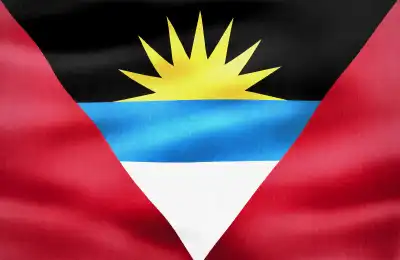
Antigua and Barbuda's flag features a rising sun on a black background set within a V-shape of blue, white, and red. The rising sun represents the dawn of a new era, and the black background represents the African heritage of the population.
7. Argentina
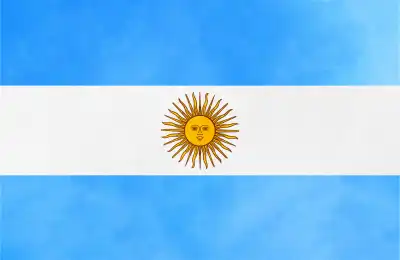
Argentina's flag consists of three horizontal stripes of light blue and white, with the golden Sun of May in the centre. The sun is a reference to the Inca sun god and to the first appearance of the sun during the May Revolution of 1810.
8. Armenia
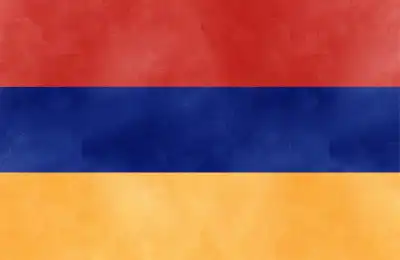
Armenia's flag is a simple tricolour of red, blue, and orange arranged in horizontal stripes. Red represents the Armenian Highland and the people's struggle, blue stands for the sky and hope, and orange symbolises the country's creative talent and hard work.
9. Australia
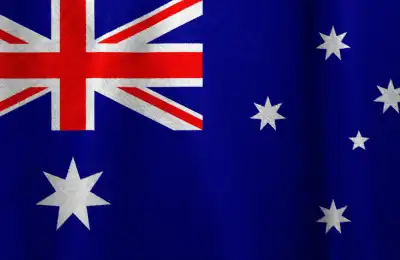
Australia's flag features the Union Jack in the upper left corner, reflecting its historical ties to Britain, alongside the Southern Cross constellation and the large seven-pointed Commonwealth Star. The Southern Cross is visible from the Southern Hemisphere and has long been associated with Australia's national identity.
10. Austria

Austria's flag is one of the simplest in the world, featuring three equal horizontal stripes of red, white, and red. Legend attributes the design to Duke Leopold V, who reportedly created it after a battle left his tunic stained with blood except where his sword belt had been.
11. Azerbaijan
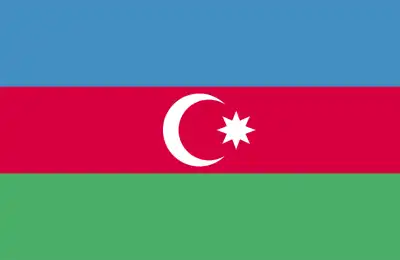
Azerbaijan's flag features three horizontal stripes of blue, red, and green, with a white crescent and eight-pointed star in the centre. Blue represents the Turkic heritage of the Azerbaijani people, red stands for progress and democracy, and green symbolises Islam.
12. Bahamas
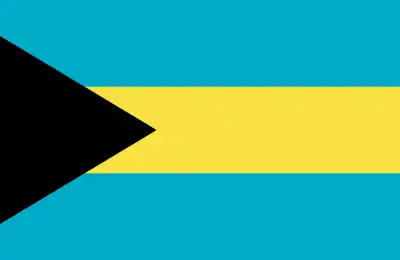
The Bahamas' flag features three horizontal stripes of aquamarine and gold, with a black equilateral triangle on the left. The aquamarine represents the sea, gold reflects the sunshine and the sandy beaches, and black stands for the strength and unity of the Bahamian people.
13. Bahrain
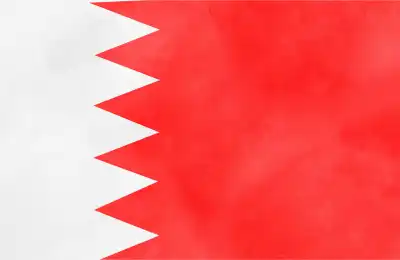
Bahrain's flag is divided vertically into red and white sections, with a serrated edge of five white points separating them. The five points represent the Five Pillars of Islam, and the red is a traditional colour used by Gulf states.
14. Bangladesh
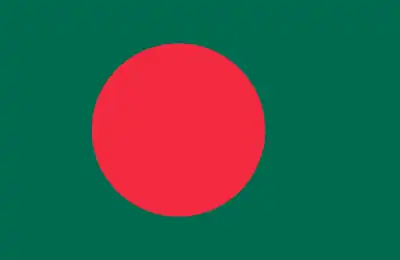
Bangladesh's flag is a deep green background with a red circle slightly offset towards the left. The green represents the lush landscape of the country, and the red circle symbolises the sun rising over Bengal and the blood shed during the liberation war of 1971.
15. Barbados
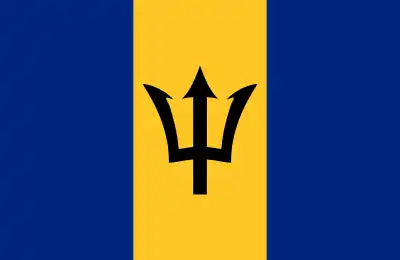
Barbados's flag features three equal vertical stripes of ultramarine and gold, with a broken black trident in the centre. The broken trident symbolises the country's break from its colonial past, while the blue and gold represent the sea and the sand.
16. Belarus
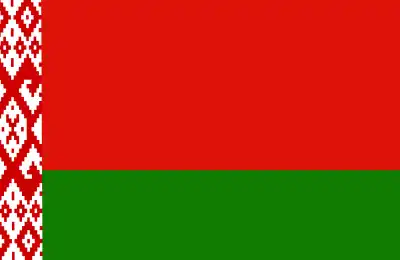
Belarus's flag features two horizontal stripes of red and green, with a decorative vertical white-and-red folk pattern on the left side. The pattern is drawn from traditional Belarusian textile design and gives the flag a distinctive cultural character.
17. Belgium
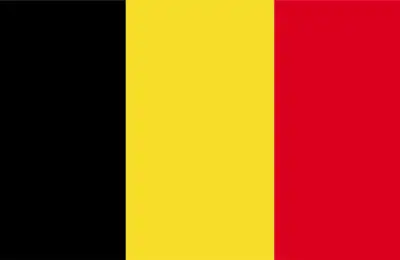
Belgium's flag features three vertical stripes of black, yellow, and red. These colours are derived from the coat of arms of the Duchy of Brabant, and together they've represented Belgian national identity since independence in 1830.
18. Belize
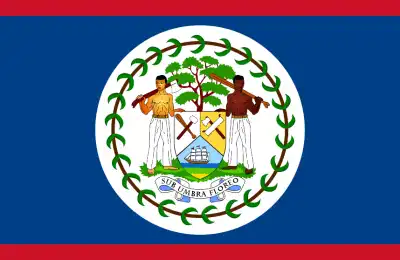
Belize's flag is unusual in that it features a large number of colours. Its blue background has red stripes at the top and bottom, and a white circle in the centre containing the national coat of arms, which depicts two woodcutters and a mahogany tree. It's one of the few flags in the world to feature human figures so prominently.
19. Benin
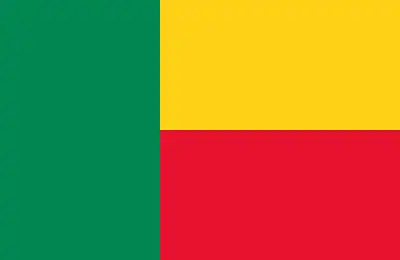
Benin's flag features a vertical green stripe on the left and two horizontal stripes of yellow and red on the right. These pan-African colours symbolise hope and revival (green), wealth (yellow), and courage (red).
20. Bhutan
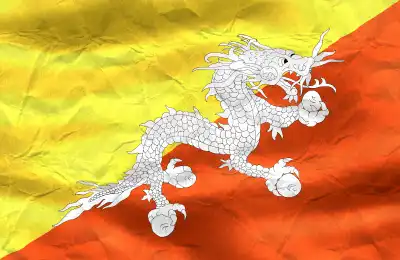
Bhutan's flag is divided diagonally into orange and yellow halves, with a white dragon clutching jewels in the centre. The dragon, known as the Druk, represents Bhutan's name in the local language ("Land of the Thunder Dragon"), and it's one of the most striking flag designs in the world.
21. Bolivia
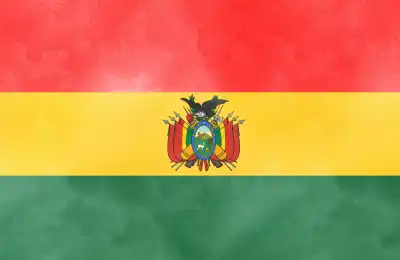
Bolivia has two official flags: a horizontal tricolour of red, yellow, and green used internationally, and a version featuring the national coat of arms for state purposes. Red represents Bolivia's brave soldiers, yellow symbolises the country's mineral wealth, and green stands for its fertile lands.
22. Bosnia and Herzegovina
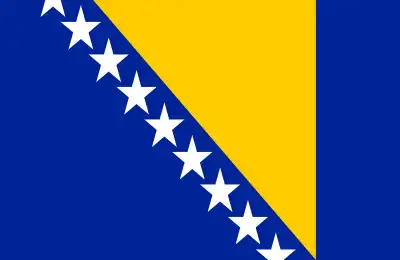
Bosnia and Herzegovina's flag features a blue background with a yellow triangle and a row of white stars along the triangle's edge. The triangle represents the three constituent peoples of the country, and the stars are inspired by the flag of Europe.
23. Botswana
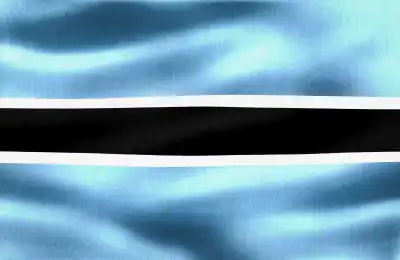
Botswana's flag features a light blue background with a black horizontal stripe bordered by white stripes in the centre. The blue represents water (particularly rain), which is so vital to Botswana that the word for rain, "pula," is also the national currency.
24. Brazil
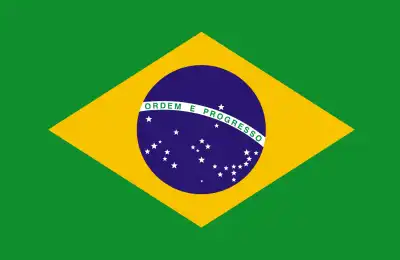
Brazil's flag features a green background with a large yellow diamond in the centre, inside which sits a blue globe. The globe is crossed by a white band bearing the national motto and dotted with 27 stars representing Brazil's states and federal district in the night sky as it appeared over Rio de Janeiro.
25. Brunei
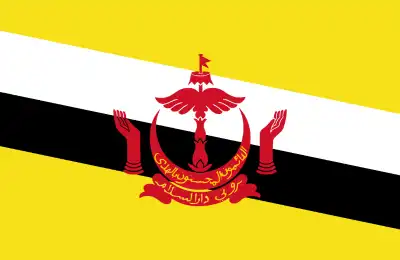
Brunei's flag has a yellow background with diagonal white and black stripes, and the national coat of arms in the centre. Yellow represents the Sultan, while the coat of arms features a crescent, umbrella, wings, and hands, all carrying symbolic meaning tied to Brunei's Islamic monarchy.
26. Bulgaria
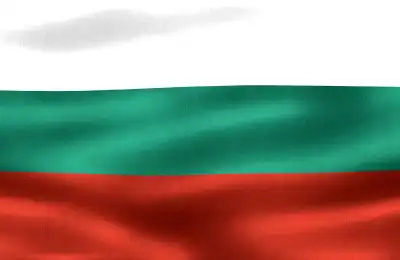
Bulgaria's flag is a simple horizontal tricolour of white, green, and red. White represents peace, green symbolises the country's agricultural heritage and freedom, and red stands for the courage of the Bulgarian people.
27. Burkina Faso
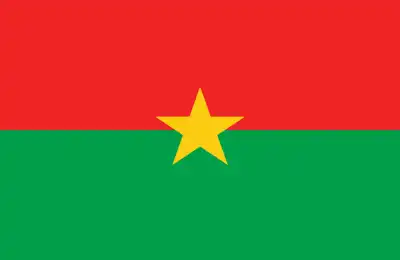
Burkina Faso's flag features two equal horizontal stripes of red and green, with a yellow five-pointed star in the centre. The colours are pan-African, and the star represents the guiding light of the revolution that led to the country's independence.
28. Burundi
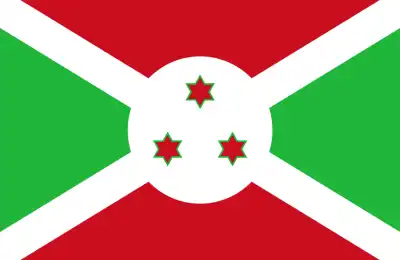
Burundi's flag is divided into four sections by a white diagonal cross, with alternating sections of red and green. In the centre sits a white circle containing three red six-pointed stars, which represent the three main ethnic groups of Burundi.
29. Cabo Verde
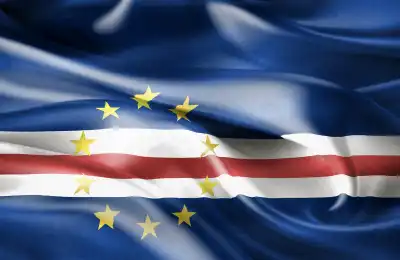
Cabo Verde's flag features a blue background with a horizontal band of white and red near the lower third, and a circle of ten yellow stars on the left side. The ten stars represent the ten main islands of the archipelago, and the blue reflects the Atlantic Ocean that surrounds them.
30. Cambodia
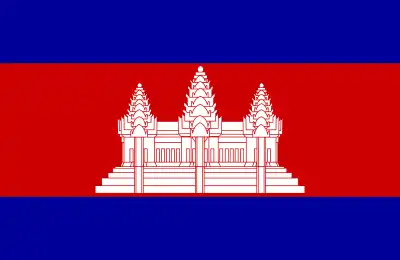
Cambodia's flag is the only national flag in the world to feature a building: the ancient temple complex of Angkor Wat. The flag has three horizontal stripes of blue, red, and blue, with Angkor Wat depicted in white in the central red stripe.
31. Cameroon
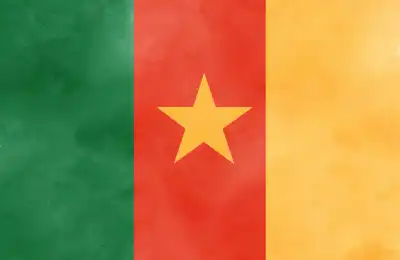
Cameroon's flag is a vertical tricolour of green, red, and yellow, with a single yellow star in the centre of the red stripe. The colours are pan-African, and the star represents national unity.
32. Canada

Canada's flag is one of the most recognisable in the world, featuring a red maple leaf on a white background flanked by two red vertical stripes. The maple leaf has been a symbol of Canada since the 18th century, and the flag's clean, simple design is widely admired.
33. Central African Republic
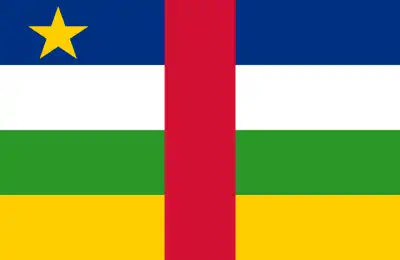
The Central African Republic's flag features four horizontal stripes of blue, white, green, and yellow, crossed by a vertical red stripe, with a yellow star in the upper left corner. The red stripe symbolises the blood shed for independence and the unity of the country's people.
34. Chad
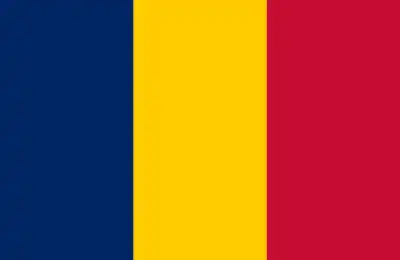
Chad's flag is almost identical to Romania's, consisting of three vertical stripes of blue, yellow, and red. The slight difference lies in the shade of blue, and the two countries have had an ongoing, unresolved dispute about the similarity since Chad adopted its flag in 1960.
35. Chile
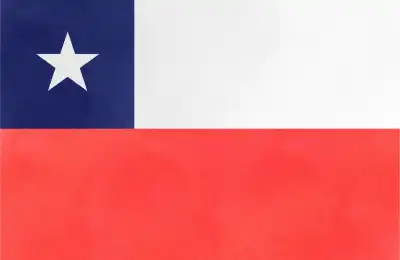
Chile's flag features a white stripe on top and a red stripe on the bottom, with a blue square in the upper left corner containing a single white star. The star represents a guide to progress and honour, and the white and red symbolise the snow of the Andes and the blood of patriots.
36. China
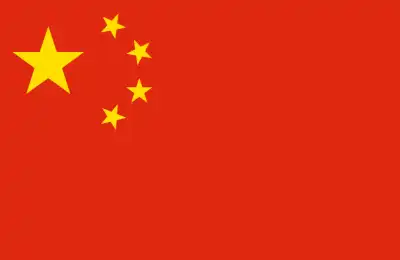
China's flag has a red background with one large yellow star and four smaller yellow stars in the upper left corner. Red represents the communist revolution, and the stars represent the unity of the Chinese people under the leadership of the Communist Party.
37. Colombia
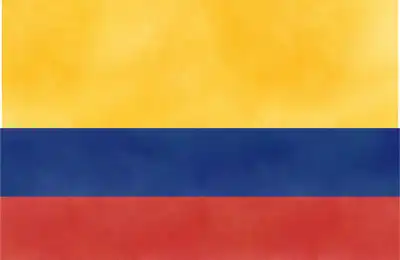
Colombia's flag features three horizontal stripes of yellow, blue, and red, with the yellow stripe being twice the width of the others. Yellow represents the gold and natural wealth of the land, blue stands for the seas and rivers, and red represents the blood shed for independence.
38. Comoros
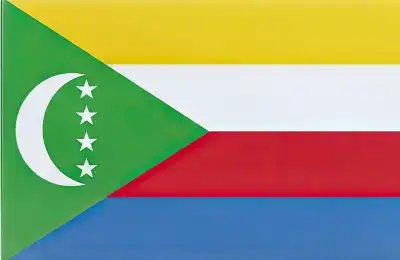
Comoros's flag features four horizontal stripes of yellow, white, red, and blue, with a green triangle on the left containing a white crescent and four white stars. The four stars and stripes represent the country's four main islands.
39. Democratic Republic of the Congo
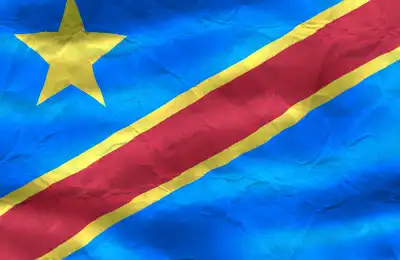
The Democratic Republic of the Congo's flag features a sky blue background with a diagonal red stripe bordered by yellow, and a yellow star in the upper left corner. The blue represents peace, red stands for the blood of the country's martyrs, and yellow symbolises the country's wealth.
40. Republic of the Congo
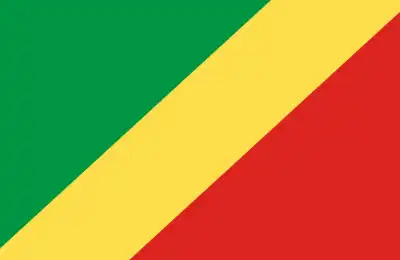
The Republic of the Congo's flag is a diagonal tricolour of green, yellow, and red running from the lower left to the upper right. These pan-African colours represent the forests, friendship and the country's wealth, and the sacrifice of those who fought for independence.
41. Costa Rica
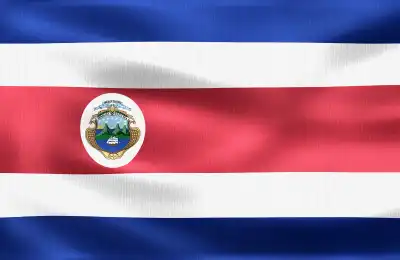
Costa Rica's flag features five horizontal stripes of blue, white, red, white, and blue, with the national coat of arms on the red stripe. The blue represents the sky and opportunities, white stands for peace, and red represents the warmth and generosity of the Costa Rican people.
42. Croatia
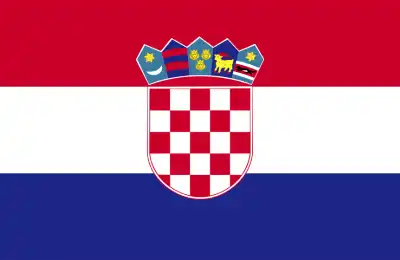
Croatia's flag is a horizontal tricolour of red, white, and blue, with the national coat of arms in the centre. The coat of arms features a distinctive red and white chequered pattern known as the šahovnica, which is one of the oldest symbols of Croatian identity.
43. Cuba
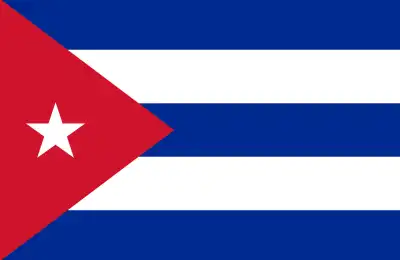
Cuba's flag features five horizontal stripes of blue and white, with a red triangle on the left containing a white five-pointed star. The triangle represents equality, fraternity, and freedom, and the star was known as the "Lone Star" during Cuba's independence movement.
44. Cyprus
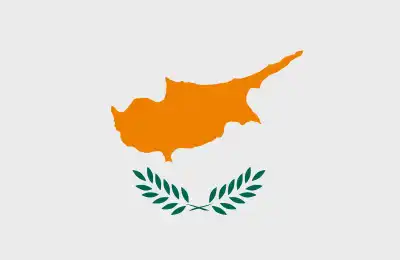
Cyprus's flag has a white background with a copper-coloured silhouette of the island in the centre, above two green olive branches. The olive branches represent peace, and the copper colour is a nod to the island's name, which is believed to be derived from the Greek word for copper.
45. Czech Republic
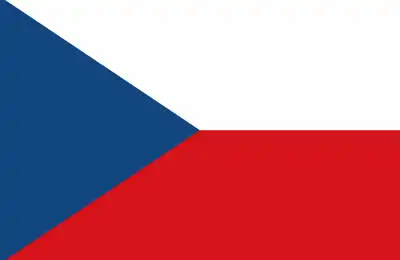
The Czech Republic's flag features two horizontal stripes of white and red, with a blue triangle extending from the left side. The colours are those of the historical lands of Bohemia and Moravia, and the flag is shared in design with the former Czechoslovakia.
46. Denmark
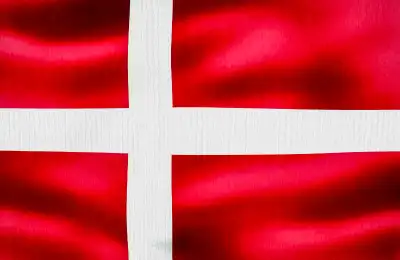
Denmark's flag, the Dannebrog, is one of the oldest national flags in continuous use, dating back to at least 1370. It features a white Nordic cross on a red background, and it's said to have inspired the cross designs seen on the flags of Norway, Sweden, Finland, and Iceland.
47. Djibouti
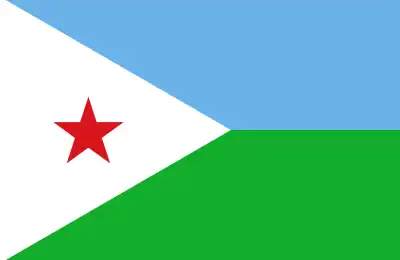
Djibouti's flag features a horizontal band of light blue on top and green on the bottom, with a white triangle on the left side containing a red star. The blue represents the sea and the Issa people, green symbolises the earth and the Afar people, and the white triangle stands for peace.
48. Dominica
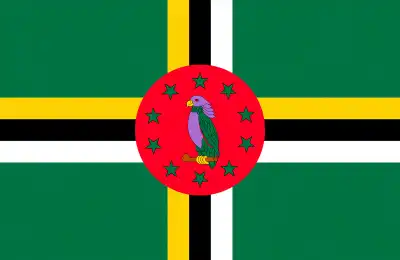
Dominica's flag has a green background with a cross of yellow, black, and white stripes, and a red circle in the centre containing a Sisserou parrot surrounded by ten green stars. The parrot is found only in Dominica and is a powerful symbol of the island's unique natural environment.
49. Dominican Republic
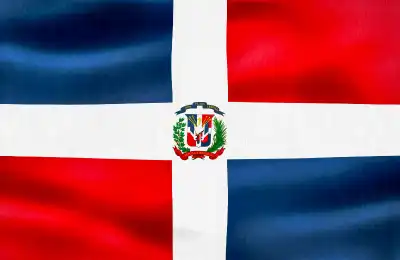
The Dominican Republic's flag features a white cross dividing the flag into four rectangles of blue and red, with the national coat of arms in the centre. The coat of arms includes a Bible, a cross, and a shield, making this flag notable for its religious symbolism.
50. Ecuador
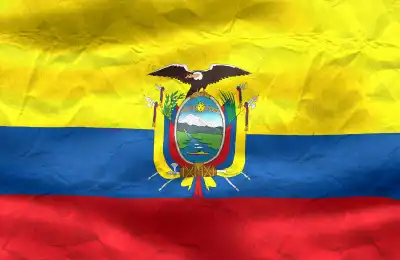
Ecuador's flag uses the same colours as Colombia and Venezuela — yellow, blue, and red in horizontal stripes — reflecting their shared history as part of Gran Colombia. Ecuador's version includes the national coat of arms in the centre, which features a condor, a steamship, and a mountain.
51. Egypt
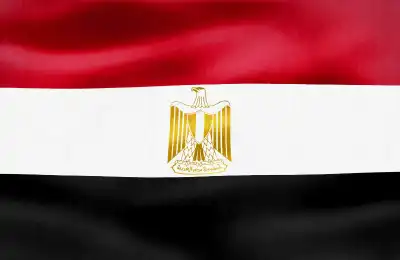
Egypt's flag features three horizontal stripes of red, white, and black, with the Eagle of Saladin in gold at the centre. The eagle is a symbol of strength and has been associated with pan-Arab identity, while the three colours are shared across many Arab nations.
52. El Salvador
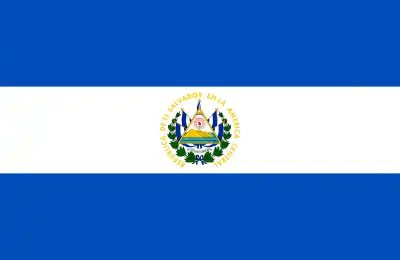
El Salvador's flag features three horizontal stripes of blue, white, and blue, with the national coat of arms in the centre of the white stripe. The coat of arms includes a triangle, five volcanoes, and the motto "God, Union, Liberty."
53. Equatorial Guinea
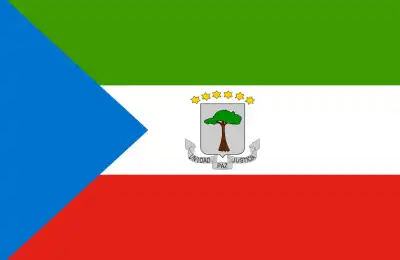
Equatorial Guinea's flag features three horizontal stripes of green, white, and red, with a blue triangle on the left and the national coat of arms in the centre. The coat of arms includes a silver shield, a silk-cotton tree, and six yellow stars representing the mainland and the islands.
54. Eritrea
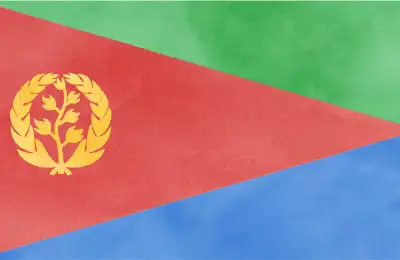
Eritrea's flag features a red triangle on the left, with green at the top and blue at the bottom. In the centre of the red triangle sits a golden olive wreath, which was a symbol used during the independence struggle. The colours reflect the land, the sea, and the blood shed for freedom.
55. Estonia
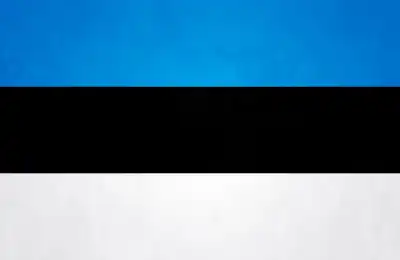
Estonia's flag is a simple horizontal tricolour of blue, black, and white. Blue represents the sky, faith, and loyalty; black symbolises the dark past and the soil of the homeland; and white stands for hard work, virtue, and the hope for a bright future.
56. Eswatini
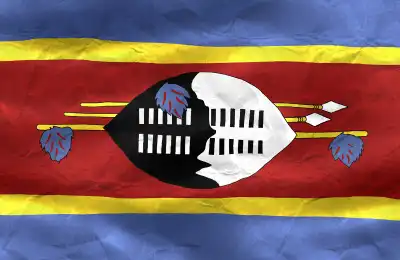
Eswatini's flag (formerly Swaziland) features three horizontal stripes of blue, red, and blue, with a thin yellow stripe separating the red. In the centre of the red stripe is a Nguni shield and two spears, representing protection from the country's enemies.
57. Ethiopia
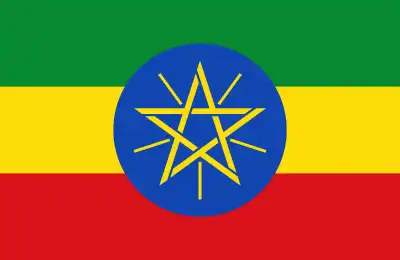
Ethiopia's flag is a horizontal tricolour of green, yellow, and red, with a blue circle and golden star in the centre. Ethiopia is often credited with inspiring the pan-African colours used on many African flags, and its flag is one of the most symbolically significant on the continent.
58. Fiji
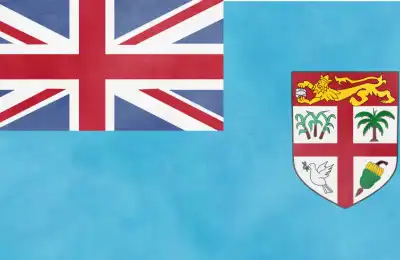
Fiji's flag features a light blue background with the Union Jack in the upper left corner and the Fijian coat of arms on the right. The coat of arms includes a British lion, sugar cane, a coconut palm, a dove of peace, and a British ship, reflecting the country's colonial history.
59. Finland
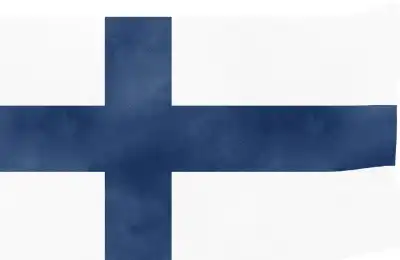
Finland's flag features a blue Nordic cross on a white background. The blue represents the country's many lakes and the sky, while white reflects the snow that covers Finland for much of the year. It's a clean, elegant design that's instantly recognisable.
60. France

France's flag, known as the Tricolore, features three vertical stripes of blue, white, and red. It became a symbol of the French Revolution and the ideals of liberty, equality, and fraternity, and it's one of the most influential flag designs in history.
61. Gabon
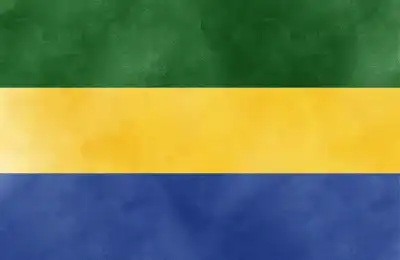
Gabon's flag features three horizontal stripes of green, yellow, and blue. Green represents the forests that cover much of the country, yellow symbolises the equator that runs through it, and blue reflects the Atlantic Ocean to the west.
62. Gambia
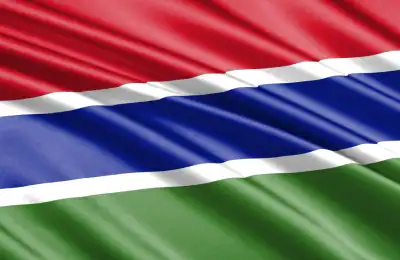
Gambia's flag features three horizontal stripes of red, blue, and green, separated by narrow white stripes. The blue stripe represents the River Gambia, which runs through the heart of the country, while red and green represent the land and the forests.
63. Georgia
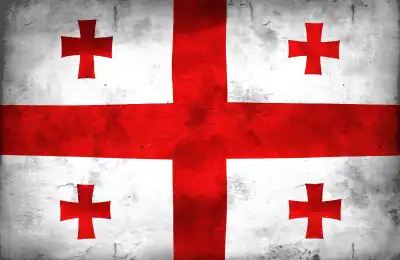
Georgia's flag features a white background with a large red cross and four smaller red crosses in each quadrant. Known as the Five Cross Flag, it's one of the oldest flag designs in the world and has deep ties to Georgian Orthodox Christianity.
64. Germany
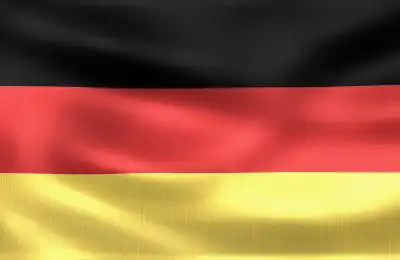
Germany's flag is a simple horizontal tricolour of black, red, and gold. These colours have been associated with German unity since the early 19th century and were adopted for the Federal Republic of Germany in 1949. They represent a democratic and unified Germany.
65. Ghana
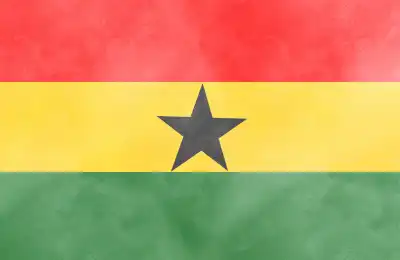
Ghana's flag features three horizontal stripes of red, gold, and green, with a black five-pointed star in the centre. Ghana was the first sub-Saharan African country to gain independence, and the black star became a symbol of African freedom, earning it the nickname "The Black Star of Africa."
66. Greece
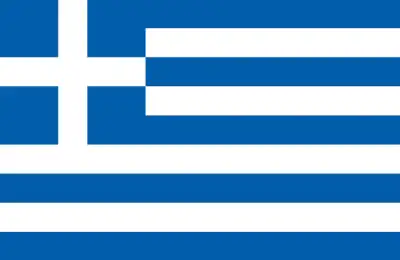
Greece's flag features nine horizontal stripes of blue and white, with a white cross on a blue square in the upper left corner. The nine stripes are said to represent the nine syllables of the Greek phrase meaning "Freedom or Death," and the cross symbolises Greek Orthodox Christianity.
67. Grenada
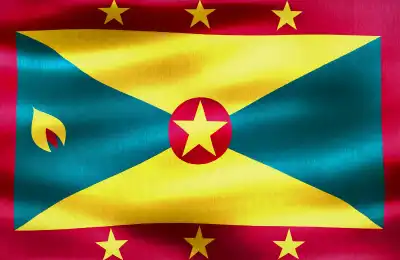
Grenada's flag features a red border containing six yellow stars, and a rectangle divided diagonally into yellow and green triangles with a red circle and yellow star in the centre. A nutmeg on the left side of the flag is a nod to Grenada's status as one of the world's leading nutmeg producers.
68. Guatemala
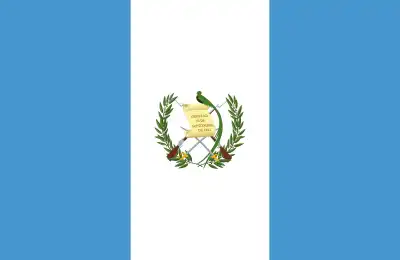
Guatemala's flag features two vertical stripes of sky blue on either side of a white central stripe, with the national coat of arms in the centre. The blue stripes represent the Pacific and Atlantic Oceans, and the coat of arms includes a quetzal bird, a symbol of liberty.
69. Guinea
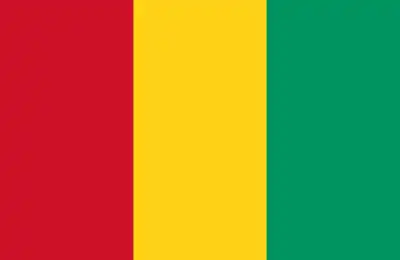
Guinea's flag is a vertical tricolour of red, yellow, and green, mirroring the pan-African colours used across much of West Africa. Red represents the blood of those who died for independence, yellow symbolises the sun and mineral wealth, and green stands for the country's vegetation.
70. Guinea-Bissau
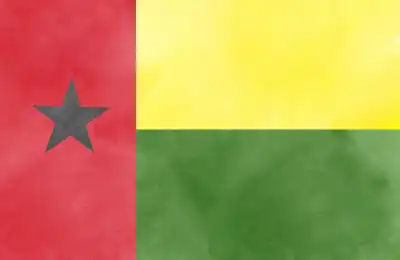
Guinea-Bissau's flag features a vertical black stripe on the left containing a red star, alongside horizontal stripes of red and yellow. The black star is a symbol of African unity, and the pan-African colours reflect the country's ties to the broader independence movement.
71. Guyana
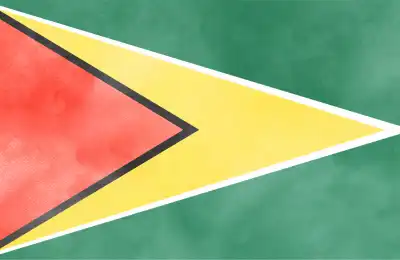
Guyana's flag is sometimes called "The Golden Arrowhead." It features a green background with a white-bordered yellow triangle pointing to the right, inside which sits a black-bordered red triangle. The green represents agriculture, gold reflects the country's mineral wealth, and red symbolises the zeal of the Guyanese people.
72. Haiti
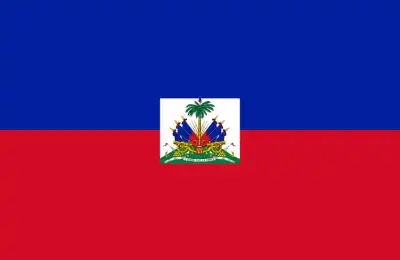
Haiti's flag features two horizontal stripes of blue and red, with the national coat of arms on a white square in the centre. The coat of arms depicts a palm tree, cannons, and the motto "L'Union Fait La Force" (Unity Makes Strength), reflecting Haiti's revolutionary history.
73. Honduras
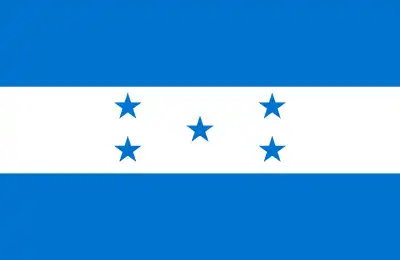
Honduras's flag features three horizontal stripes of blue, white, and blue, with five blue stars in the centre. The two blue stripes represent the Pacific and Atlantic Oceans, and the five stars represent the five nations of the former Federal Republic of Central America.
74. Hungary
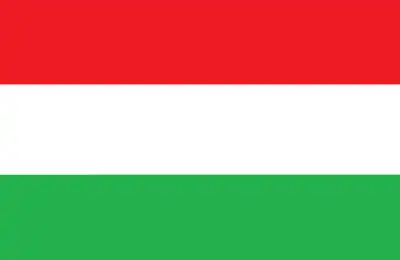
Hungary's flag is a simple horizontal tricolour of red, white, and green. Red represents strength, white stands for faithfulness, and green symbolises hope. The colours have been associated with Hungary since the early 19th century.
75. Iceland
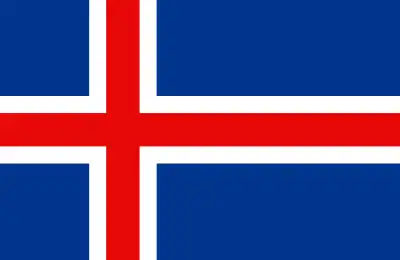
Iceland's flag features a red Nordic cross bordered in white on a blue background. The blue represents the mountains and the sky, white reflects the snow and ice, and red symbolises the volcanic fires that shape Iceland's dramatic landscape.
76. India
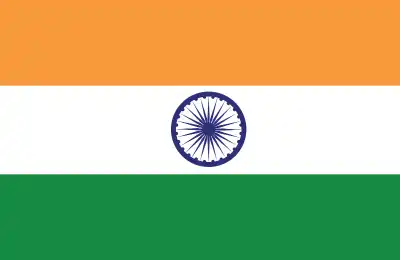
India's flag features three horizontal stripes of saffron, white, and green, with a blue Ashoka Chakra (wheel) in the centre. Saffron represents courage and sacrifice, white stands for truth and peace, and green symbolises faith and chivalry. The Ashoka Chakra has 24 spokes and represents the eternal wheel of law.
77. Indonesia
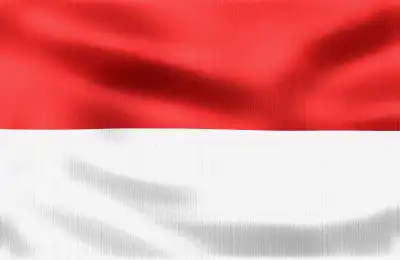
Indonesia's flag is a simple bicolour of red on top and white on the bottom. Red represents courage and the physical world, while white symbolises purity and the spiritual world. It's almost identical to the flag of Monaco, differing only slightly in proportions.
78. Iran
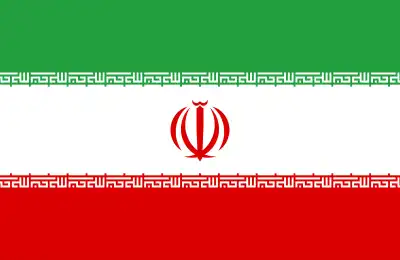
Iran's flag features three horizontal stripes of green, white, and red, with the national emblem in the centre and a stylised inscription of "Allahu Akbar" repeated 22 times along the borders of the stripes. The emblem represents a stylised version of the word "Allah" combined with a sword and four crescent shapes.
79. Iraq
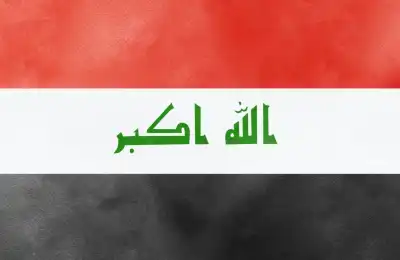
Iraq's flag features three horizontal stripes of red, white, and black, with the Arabic inscription "Allahu Akbar" in green Kufic script in the centre. The three colours are traditional pan-Arab colours, and the script was added to reflect the country's Islamic identity.
80. Ireland
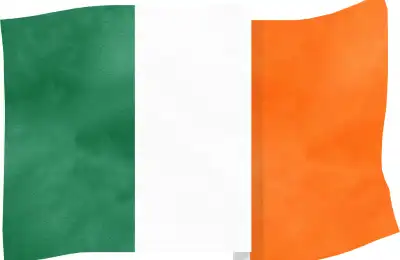
Ireland's flag is a vertical tricolour of green, white, and orange. Green represents the Gaelic tradition of Ireland, orange represents the Protestant minority, and white in the middle symbolises the hope for peace and unity between the two communities.
81. Israel
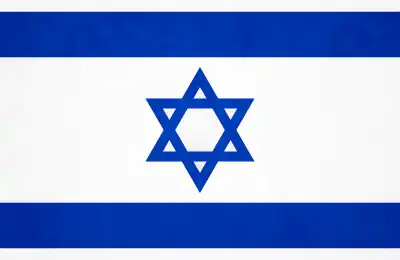
Israel's flag features a white background with two horizontal blue stripes and a blue Star of David in the centre. The design is inspired by the Jewish prayer shawl (tallit), and the Star of David has been a widely recognised symbol of Jewish identity for centuries.
82. Italy
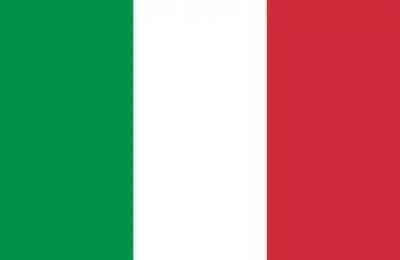
Italy's flag is a vertical tricolour of green, white, and red, modelled on the French Tricolore. The colours are associated with the unification of Italy in the 19th century, and the design has remained consistent since 1946. Green, white, and red also appear in Italian regional and civic traditions.
83. Jamaica
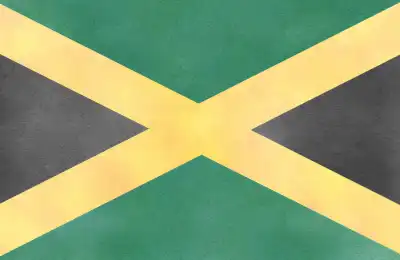
Jamaica's flag features a gold diagonal cross dividing the flag into four triangles of black and green. Black represents the strength of the Jamaican people, gold symbolises the sunshine, and green reflects the lush vegetation of the island.
84. Japan
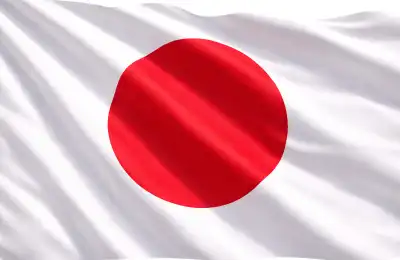
Japan's flag is one of the simplest and most recognisable in the world, featuring a red circle on a white background. The red circle represents the sun, reflecting Japan's name, which means "Land of the Rising Sun," and the design has been associated with the country for over a thousand years.
85. Jordan
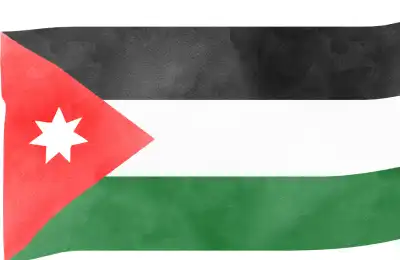
Jordan's flag features three horizontal stripes of black, white, and green, with a red triangle on the left containing a small white seven-pointed star. The three stripes represent the Abbasid, Umayyad, and Fatimid caliphates, while the red triangle represents the Hashemite dynasty.
86. Kazakhstan
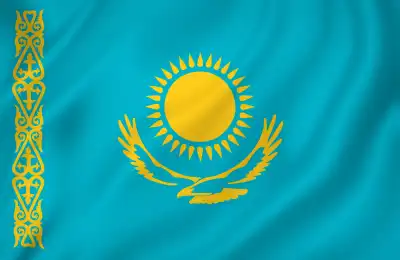
Kazakhstan's flag features a light blue background with a yellow sun and a soaring eagle in the upper left, and a decorative national pattern running vertically along the left edge. The blue represents the sky and freedom, and the eagle symbolises the spirit of the Kazakh people.
87. Kenya
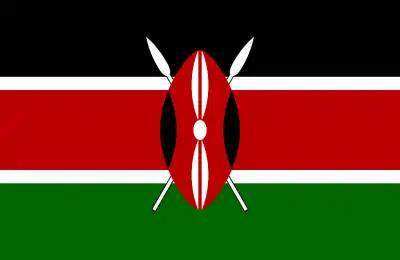
Kenya's flag features three horizontal stripes of black, red, and green, separated by narrow white stripes, with a Maasai shield and two crossed spears in the centre. Black represents the Kenyan people, red stands for the blood shed during the independence struggle, and green symbolises the country's agriculture.
88. Kiribati
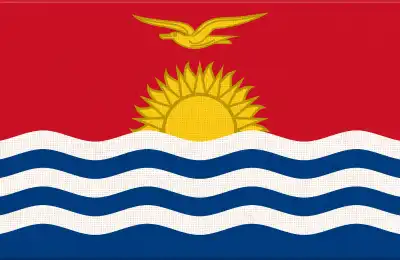
Kiribati's flag is one of the most distinctive in the Pacific, featuring a red upper half with a golden frigate bird flying over a golden rising sun, and a blue lower half with three wavy white stripes. The bird and sun represent the natural beauty of this island nation, and the waves represent the Pacific Ocean.
89. Kosovo
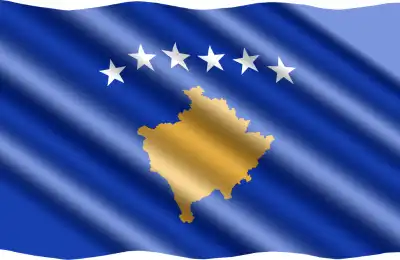
Kosovo declared independence in 2008 and adopted a blue flag featuring a golden map of the country above six white stars. The stars represent Kosovo's six main ethnic communities, and the blue reflects the country's aspirations for European integration, mirroring the colours of the EU flag.
90. Kuwait
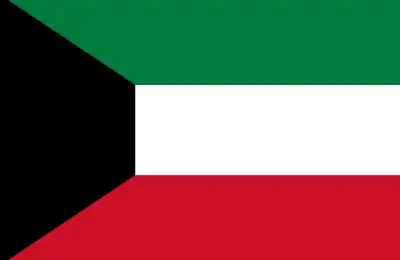
Kuwait's flag features three horizontal stripes of green, white, and red, with a black trapezoid on the left side. The colours are those of the pan-Arab movement, and the black represents the battlefields on which Kuwait's sovereignty has been defended.
91. Kyrgyzstan
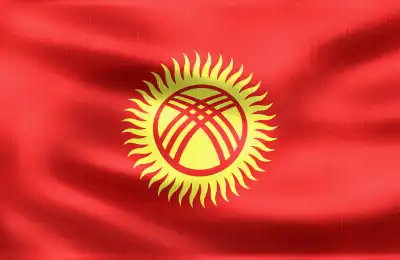
Kyrgyzstan's flag has a red background with a yellow sun in the centre containing a stylised representation of a tunduk, which is the circular opening at the top of a traditional Kyrgyz yurt. It's a deeply cultural design that connects the flag to the nomadic heritage of the Kyrgyz people.
92. Laos
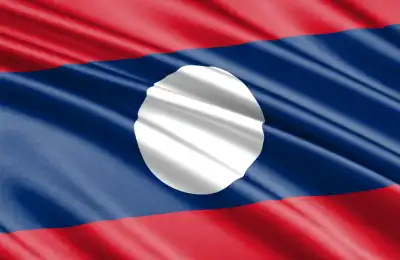
Laos's flag features three horizontal stripes of red, blue, and red, with a white circle in the centre of the blue stripe. The white circle represents the full moon reflected on the Mekong River, and the blue stripe symbolises the prosperity of the country.
93. Latvia
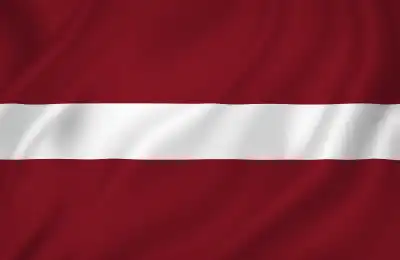
Latvia's flag is one of the oldest flag designs in the world, featuring a deep maroon background with a white horizontal stripe in the centre. The distinctive maroon colour, known as "Latvian red," has been associated with the Latvian people since at least the 13th century.
94. Lebanon
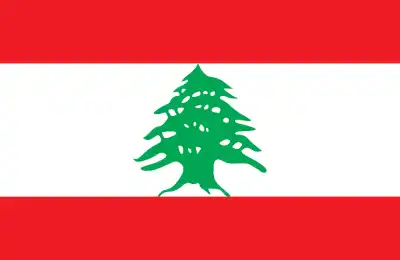
Lebanon's flag features three horizontal stripes of red, white, and red, with a green cedar tree in the centre. The cedar of Lebanon is mentioned in the Bible and has been a symbol of the country for thousands of years, representing immortality, steadiness, and natural beauty.
95. Lesotho
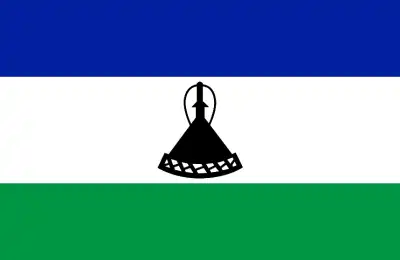
Lesotho's flag features three horizontal stripes of blue, white, and green, with a black Basotho hat (mokorotlo) in the centre. The hat is a powerful national symbol, and the three colours represent rain, peace, and prosperity.
96. Liberia
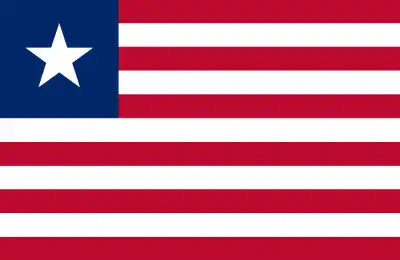
Liberia's flag closely resembles the flag of the United States, featuring eleven red and white horizontal stripes and a blue square in the upper left corner with a single white star. Liberia was founded by freed American slaves, and the flag reflects that strong historical connection.
97. Libya
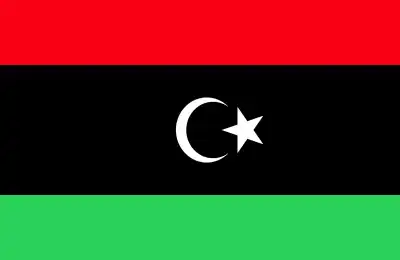
Libya's flag is a simple horizontal tricolour of red, black, and green, with a white crescent and star in the centre. The crescent and star are symbols of Islam, and the three colours reflect Libya's ties to pan-Arab and pan-African identity.
98. Liechtenstein
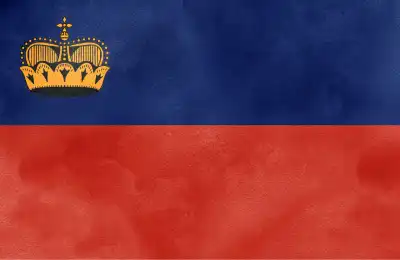
Liechtenstein's flag features two horizontal stripes of blue and red, with a golden crown in the upper left corner. The crown was added in 1937 after it was discovered that Liechtenstein and Haiti had almost identical flags.
99. Lithuania
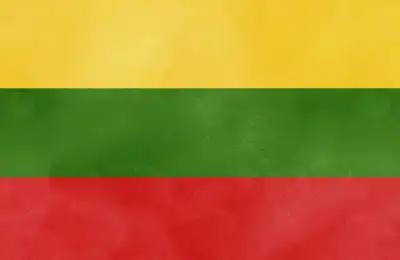
Lithuania's flag is a horizontal tricolour of yellow, green, and red. Yellow represents the sun, light, and prosperity; green symbolises the forests and nature; and red stands for courage and the blood spilled in defence of the country.
100. Luxembourg
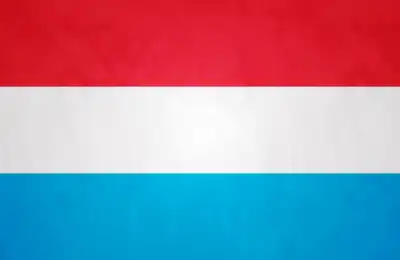
Luxembourg's flag is almost identical to the Netherlands' flag, featuring three horizontal stripes of red, white, and light blue. The difference lies in the shade of blue, which in Luxembourg's case is a softer, lighter tone.
101. Madagascar
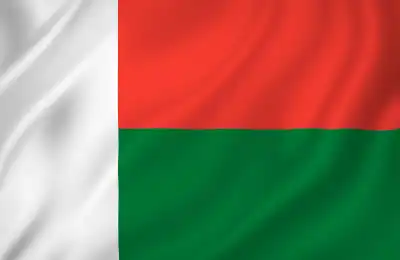
Madagascar's flag features a white vertical stripe on the left and two horizontal stripes of red and green on the right. White and red are the traditional colours of the Merina Kingdom, and green represents the coastal peoples of the island.
102. Malawi
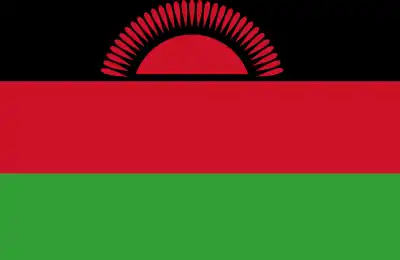
Malawi's flag features three horizontal stripes of black, red, and green, with a red rising sun in the centre of the black stripe. The rising sun represents the dawn of hope and freedom for Africa, and the three colours are associated with pan-African identity.
103. Malaysia
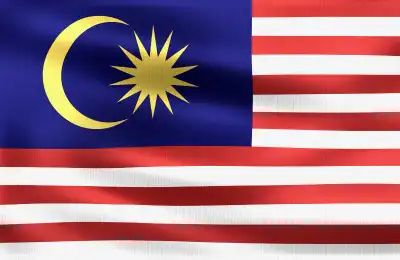
Malaysia's flag, known as Jalur Gemilang ("Stripes of Glory"), features fourteen red and white stripes, a blue canton with a crescent and a fourteen-pointed star. The fourteen stripes and points represent the thirteen states plus the federal government, and the crescent and star reflect the country's Islamic faith.
104. Maldives
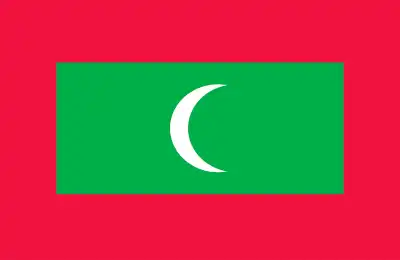
The Maldives' flag has a red background with a green rectangle in the centre containing a white crescent. Red represents the courage of the nation's heroes, green symbolises peace and prosperity, and the crescent is a symbol of Islam.
105. Mali
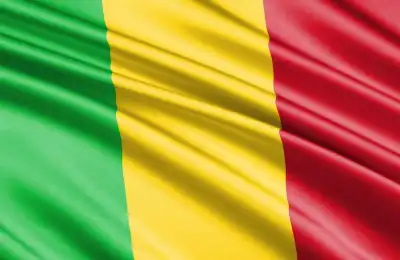
Mali's flag is a vertical tricolour of green, yellow, and red, reflecting the pan-African colours used across West Africa. Green represents fertility and hope, yellow stands for mineral wealth, and red honours the blood shed during the independence struggle.
106. Malta
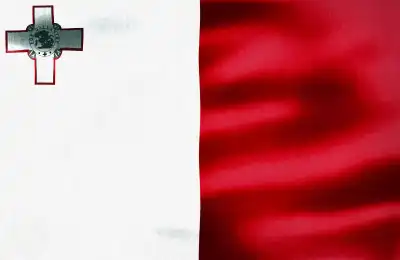
Malta's flag features two vertical stripes of white and red, with the George Cross in the upper left corner. The George Cross was awarded to Malta by King George VI in 1942 in recognition of the island's bravery during the Second World War.
107. Marshall Islands

The Marshall Islands' flag features a blue background with two diagonal stripes of orange and white rising from the lower left, and a white sun in the upper left corner. The 24 rays of the sun represent the country's 24 electoral districts, and the stripes represent the two island chains.
108. Mauritania
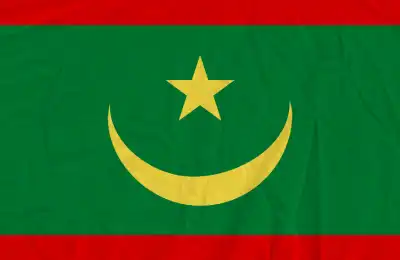
Mauritania's flag has a green background with a gold crescent and star in the centre, and gold stripes at the top and bottom. The green and gold reflect the country's ties to Islam and pan-African identity, and the red stripes were added in 2017 to represent the blood shed defending the country.
109. Mauritius
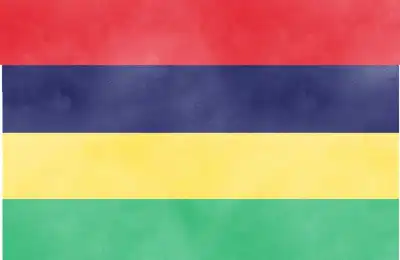
Mauritius's flag features four equal horizontal stripes of red, blue, yellow, and green. Red represents the struggle for independence, blue stands for the Indian Ocean, yellow symbolises the light of independence, and green reflects the country's lush vegetation.
110. Mexico
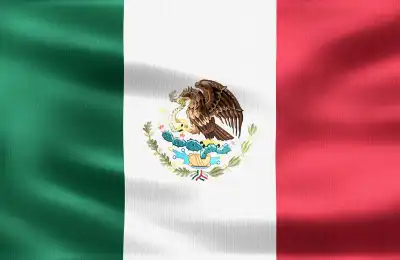
Mexico's flag is a vertical tricolour of green, white, and red, with the national coat of arms in the centre. The coat of arms depicts an eagle perched on a cactus and devouring a serpent, which is rooted in an Aztec legend about the founding of Tenochtitlán.
111. Micronesia
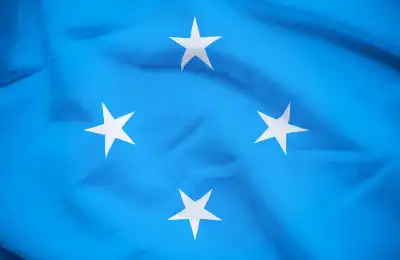
The Federated States of Micronesia's flag features a light blue background with four white stars arranged in a diamond pattern. The blue represents the Pacific Ocean, and the four stars represent the country's four states: Chuuk, Pohnpei, Kosrae, and Yap.
112. Moldova
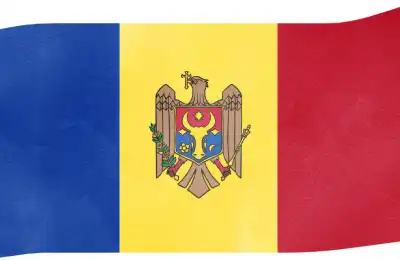
Moldova's flag is a vertical tricolour of blue, yellow, and red, with the national coat of arms in the centre. The coat of arms features an eagle holding a shield with an aurochs head, a traditional symbol of the region.
113. Monaco
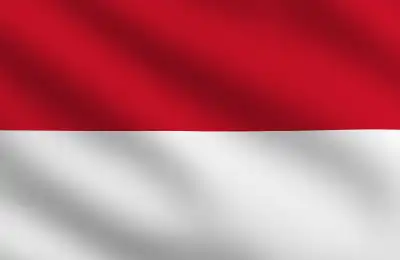
Monaco's flag is one of the simplest in the world, featuring two horizontal stripes of red and white. It's almost identical to Indonesia's flag, differing only in proportions. The colours are drawn from the heraldic colours of the Grimaldi family, who have ruled Monaco for centuries.
114. Mongolia
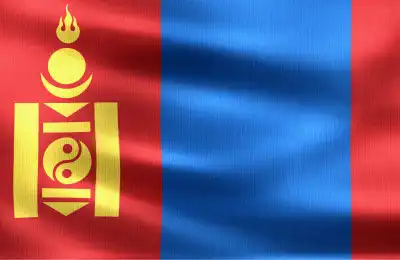
Mongolia's flag features three vertical stripes of red, blue, and red, with the golden Soyombo symbol on the left red stripe. The Soyombo is a traditional script symbol that represents fire, sun, moon, earth, water, and the yin-yang, all of which are deeply significant in Mongolian culture.
115. Montenegro
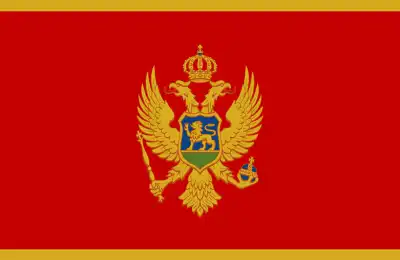
Montenegro's flag has a golden border surrounding a red background, with the national coat of arms in the centre. The coat of arms features a golden eagle, a lion, and a blue shield, all of which carry deep historical and heraldic significance.
116. Morocco
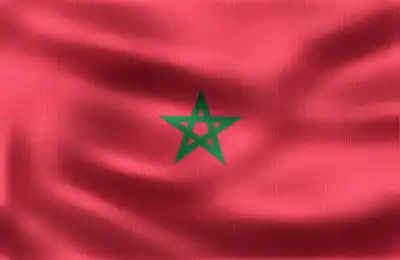
Morocco's flag has a red background with a green pentagram (five-pointed star) in the centre. Red has long been used by the Moroccan royal family to symbolise the descendants of the Prophet Muhammad, and green represents Islam.
117. Mozambique
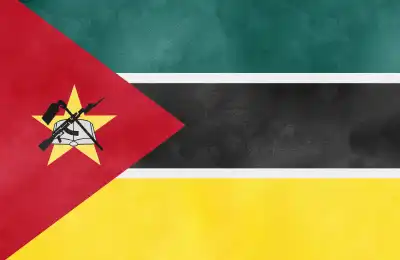
Mozambique's flag features three horizontal stripes of green, black, and yellow, separated by white borders, with a red triangle on the left containing a yellow star, an open book, and an AK-47 with a bayonet and hoe. It's one of the few flags in the world to feature a firearm, reflecting the country's independence struggle.
118. Myanmar
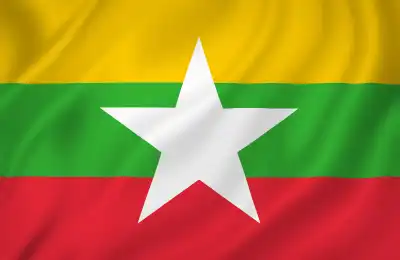
Myanmar's flag features three horizontal stripes of yellow, green, and red, with a large white five-pointed star in the centre. Yellow represents solidarity, green stands for peace and tranquillity, and red symbolises courage. The star represents the unity of the country.
119. Namibia
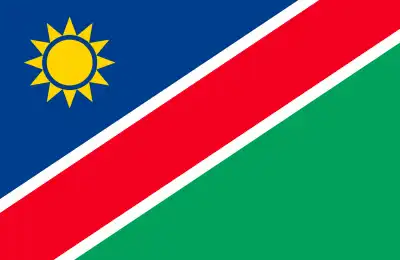
Namibia's flag features a diagonal red stripe bordered by white running from the lower left to the upper right, with a blue triangle on the upper left containing a golden sun, and a green triangle on the lower right. The sun represents life and energy, blue represents the sky and the Atlantic Ocean, and green stands for the country's vegetation.
120. Nauru
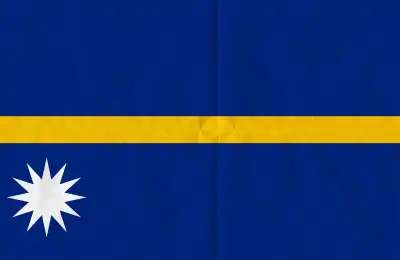
Nauru's flag features a blue background with a thin horizontal gold stripe representing the equator, and a twelve-pointed white star below it. The star's twelve points represent the twelve indigenous tribes of Nauru, and its position below the gold stripe reflects the island's location just south of the equator.
121. Nepal
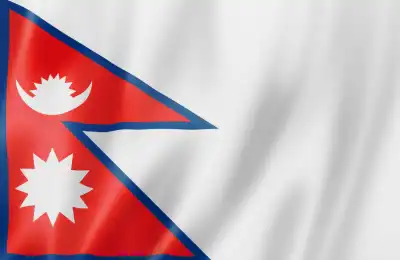
Nepal has the only national flag in the world that isn't rectangular or square. Its double pennon shape, consisting of two stacked triangular flags, is a centuries-old design that sets it apart from every other flag in the world. The flag features the moon and sun on a red background with a blue border.
122. Netherlands
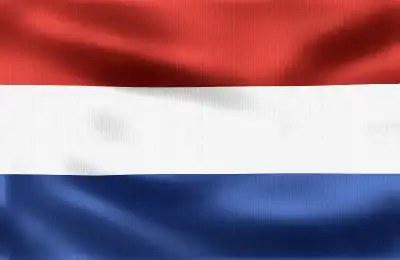
The Netherlands' flag is a horizontal tricolour of red, white, and blue and is one of the oldest tricolour flags in the world. It's thought to have inspired many other national flags, particularly across Europe and the Americas, following Dutch colonial influence.
123. New Zealand
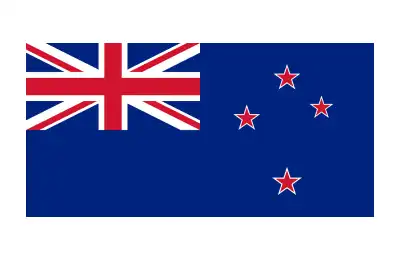
New Zealand's flag features the Union Jack in the upper left corner and four red stars with white borders forming the Southern Cross on the right. The Southern Cross is a constellation visible from the Southern Hemisphere and is a symbol closely associated with New Zealand's national identity.
124. Nicaragua
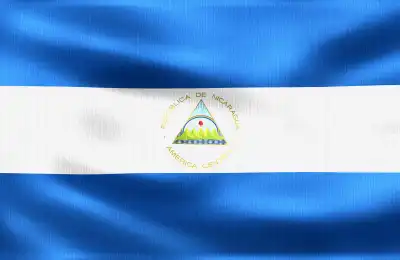
Nicaragua's flag features three horizontal stripes of blue, white, and blue, with the national coat of arms in the centre. The coat of arms includes a rainbow, five volcanoes, and a Phrygian cap, and it also contains a small open book, making it one of a small number of flags in the world to feature a text.
125. Niger
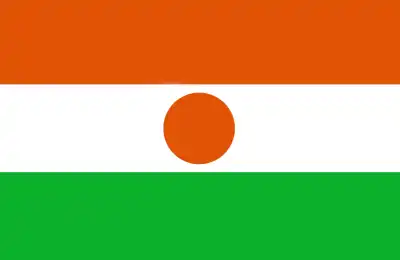
Niger's flag features three horizontal stripes of orange, white, and green, with an orange circle in the centre of the white stripe. Orange represents the northern deserts, white stands for purity, and green symbolises the fertile south of the country.
126. Nigeria
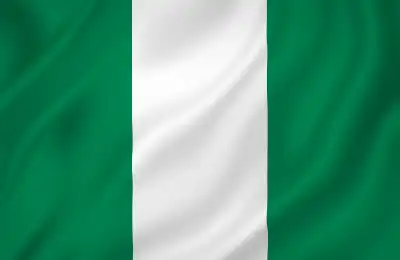
Nigeria's flag is a simple vertical tricolour of green, white, and green. The green stripes represent Nigeria's natural wealth and fertile land, and the white central stripe stands for peace and unity. It's one of the cleaner, more minimal African flag designs.
127. North Korea
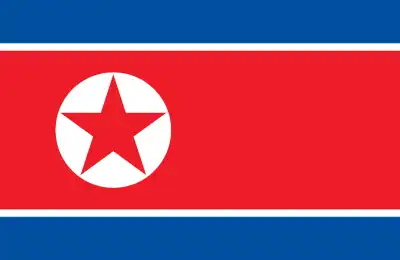
North Korea's flag features a wide red horizontal stripe in the centre bordered by narrow white and blue stripes, with a red star inside a white circle on the left side. The red represents communism and revolution, blue symbolises sovereignty, and the star represents the country's revolutionary traditions.
128. North Macedonia
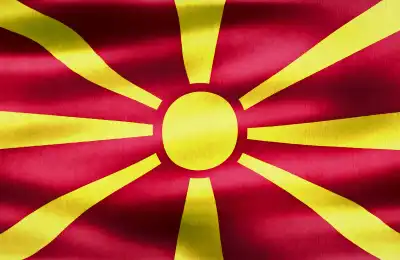
North Macedonia's flag features a red background with a golden sun in the centre, from which eight broadening rays extend to the edges. The sun is known as the "New Sun of Liberty" and was adopted following a dispute with Greece over the previous flag's use of the ancient Macedonian Vergina Sun symbol.
129. Norway
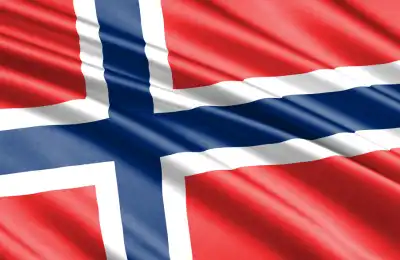
Norway's flag features a red background with a blue Nordic cross bordered by white. The design is inspired by the Dannebrog of Denmark, reflecting the two countries' historical ties, and the blue and white are thought to be influenced by the French Tricolore.
130. Oman
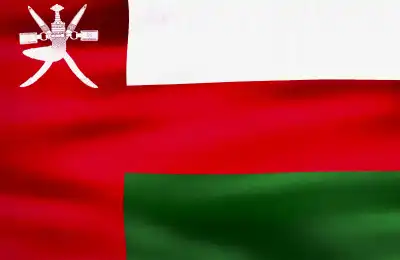
Oman's flag features three horizontal stripes of white, red, and green, with a vertical red stripe on the left containing the national emblem. The emblem is a khanjar (curved dagger) overlying two crossed swords, which is a traditional symbol of the region.
131. Pakistan
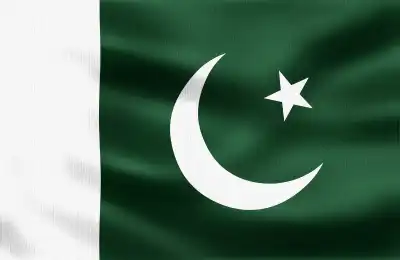
Pakistan's flag has a white vertical stripe on the left and a dark green background on the right, with a white crescent and five-pointed star. The green represents Islam, the white stripe represents religious minorities, and the crescent and star are symbols of progress and light.
132. Palau
Palau's flag features a light blue background with a yellow circle slightly left of centre. The blue represents the transition from foreign domination to self-governance, and the golden circle represents the moon, which is considered the guiding light for traditional Palauan life.

133. Palestine
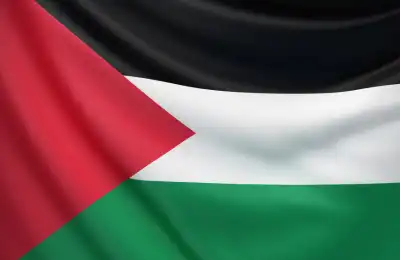
Palestine's flag features three horizontal stripes of black, white, and green, with a red triangle on the left. These are the pan-Arab colours that represent Arab unity, and the flag has been a symbol of Palestinian national identity since the early 20th century.
134. Panama
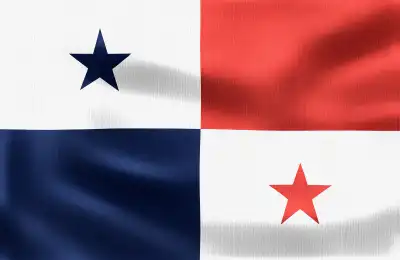
Panama's flag is divided into four equal rectangles of red, white, blue, and white, with a blue star in the red section and a red star in the blue section. The colours represent the two main political parties that united for independence, and the stars represent the rule of law and civic virtue.
135. Papua New Guinea
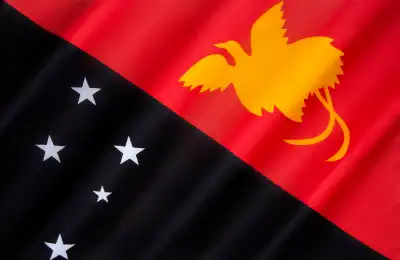
Papua New Guinea's flag is divided diagonally into red and black halves. The red half features a golden bird of paradise in flight, and the black half features the Southern Cross constellation in white. The bird of paradise is a powerful symbol of the country's extraordinary natural diversity.
136. Paraguay
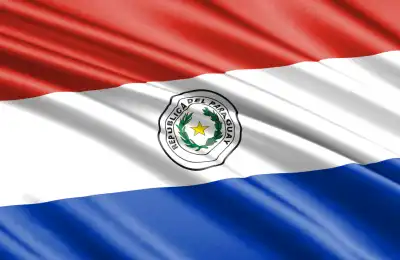
Paraguay's unique distinction is that it's one of the few countries in the world with a flag that has different emblems on each side. The front features the national coat of arms on a red, white, and blue tricolour, and the reverse features the treasury seal. The different sides make it one of the most unusual flags in the world.
137. Peru
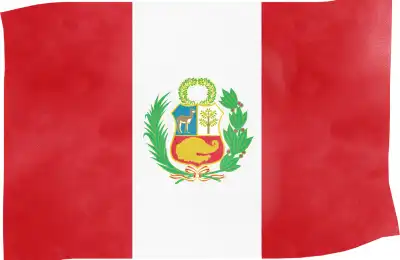
Peru's flag features three vertical stripes of red, white, and red. Red represents the bloodshed during the fight for independence, and white stands for peace and justice. A version with the national coat of arms is used for state purposes, featuring a vicuña, a cinchona tree, and a cornucopia.
138. Philippines
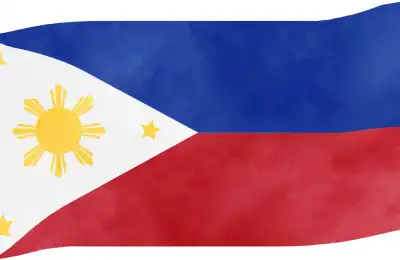
The Philippines' flag features a white triangle on the left with a golden sun and three stars, alongside two horizontal stripes of blue and red. Uniquely, the flag is displayed with the blue stripe on top in peacetime and the red stripe on top during wartime.
139. Poland
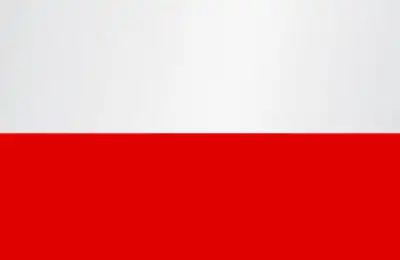
Poland's flag is a simple horizontal bicolour of white and red. These colours have been associated with Poland since medieval times and are derived from the Polish coat of arms, which features a white eagle on a red background.
140. Portugal
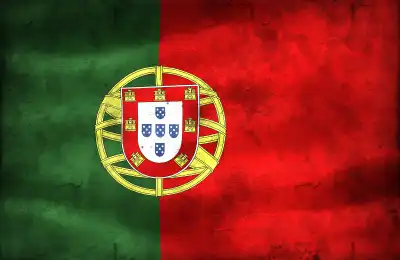
Portugal's flag features two vertical sections of green and red, with the national coat of arms on the dividing line. The coat of arms includes an armillary sphere and a shield, reflecting Portugal's history as a great maritime nation.
141. Qatar
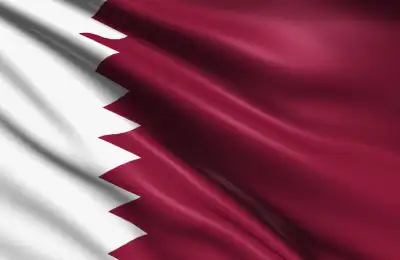
Qatar's flag features a white vertical stripe on the left and a maroon section on the right, separated by a nine-pointed serrated edge. The maroon colour is unique to Qatar and distinguishes it from the red used on many other Gulf state flags.
142. Romania
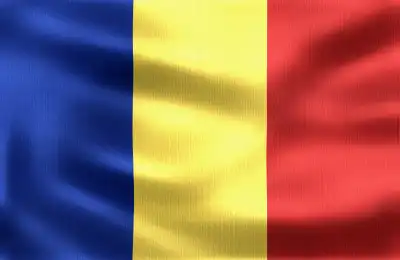
Romania's flag is a vertical tricolour of blue, yellow, and red and is famously almost identical to Chad's flag, differing only in a very slight variation in the shade of blue. The colours have represented Romanian national identity since the revolutions of 1848.
143. Russia
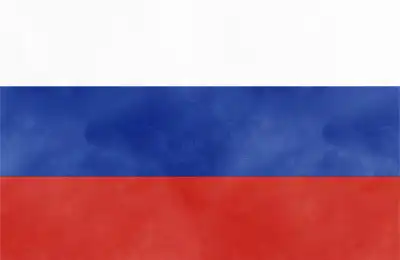
Russia's flag features three horizontal stripes of white, blue, and red. These colours have been associated with Russia since the 17th century and are shared, in varying arrangements, with many Slavic nations. The flag was restored after the fall of the Soviet Union in 1991.
144. Rwanda
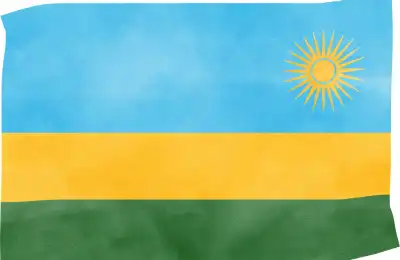
Rwanda's flag features three horizontal stripes of blue, yellow, and green, with a golden sun in the upper right corner. The blue represents happiness, yellow symbolises economic development, and green stands for hope and the country's natural resources.
145. Saint Kitts and Nevis
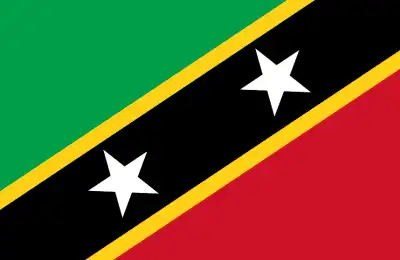
Saint Kitts and Nevis's flag features a black diagonal stripe bordered by yellow, with a green triangle in the upper left and a red triangle in the lower right, and two white stars on the black stripe. Green represents fertility, red symbolises the struggle for freedom, and the stars represent the two islands.
146. Saint Lucia
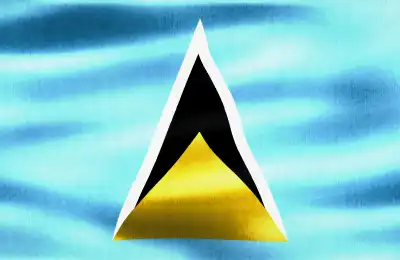
Saint Lucia's flag has a blue background with a white-bordered black triangle surmounted by a golden triangle in the centre. The design represents the Piton mountains, the iconic twin peaks that define Saint Lucia's landscape, making this one of the more distinctive Caribbean flags.
147. Saint Vincent and the Grenadines
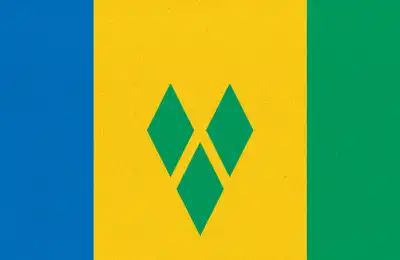
Saint Vincent and the Grenadines' flag features three vertical stripes of green, blue, and yellow, with three green diamonds arranged in a V shape on the yellow stripe. The diamonds represent the islands' nickname "The Gems of the Antilles."
148. Samoa
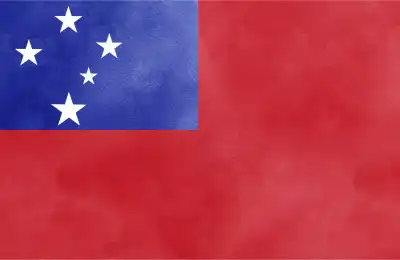
Samoa's flag features a red background with a blue rectangle in the upper left corner containing the Southern Cross in white. Red represents courage, white represents purity, and blue symbolises freedom. The Southern Cross is significant across the Pacific as a navigational constellation.
149. San Marino
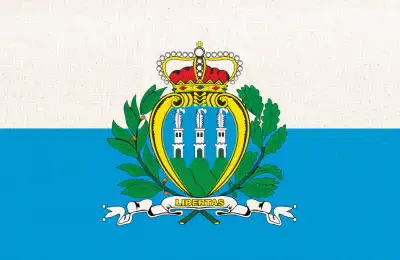
San Marino's flag features two horizontal stripes of white and light blue, with the national coat of arms in the centre. The coat of arms depicts three towers on a mountain with feathers and a crown, representing the three medieval fortifications of San Marino.
150. São Tomé and Príncipe
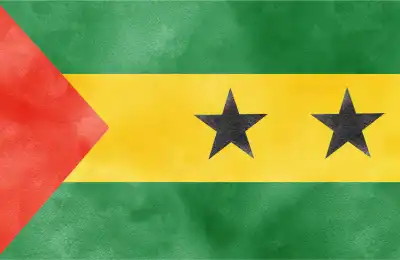
São Tomé and Príncipe's flag features three horizontal stripes of green, yellow, and green, with a red triangle on the left and two black stars on the yellow stripe. The two stars represent the country's two main islands.
151. Saudi Arabia
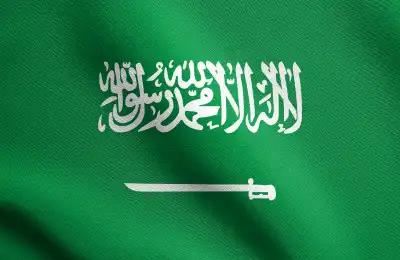
Saudi Arabia's flag has a green background with the Shahada (the Islamic declaration of faith) written in white Arabic script and a white sword beneath it. Green is the colour most strongly associated with Islam, and the sword represents justice. It's one of a small number of flags that can't be flown upside down due to its text.
152. Senegal
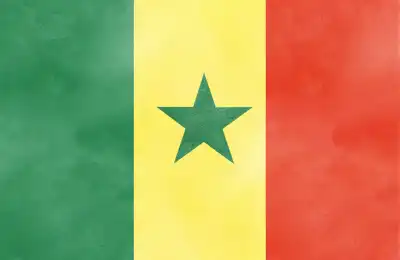
Senegal's flag is a vertical tricolour of green, yellow, and red, with a green five-pointed star in the centre of the yellow stripe. The pan-African colours reflect Senegal's ties to the wider African independence movement, and the star represents hope and the country's unity.
153. Serbia
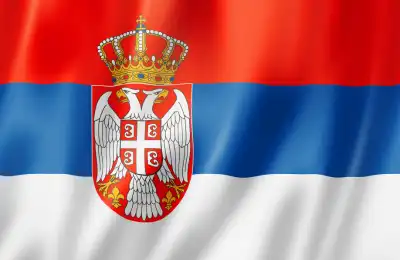
Serbia's flag is a horizontal tricolour of red, blue, and white, with the national coat of arms displayed towards the left side. The coat of arms features a double-headed eagle and a red shield with a cross and four Cyrillic letters, representing the Serbian motto "Only Unity Saves the Serbs."
154. Seychelles
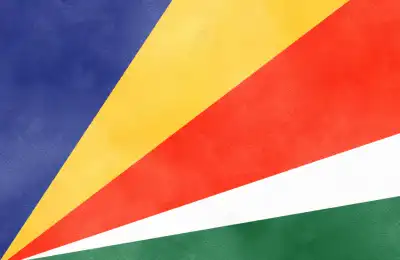
Seychelles' flag is one of the most visually striking in the world, featuring five oblique stripes radiating from the bottom left corner in blue, yellow, red, white, and green. The radiating design represents the dynamic young nation moving towards a bright future.
155. Sierra Leone
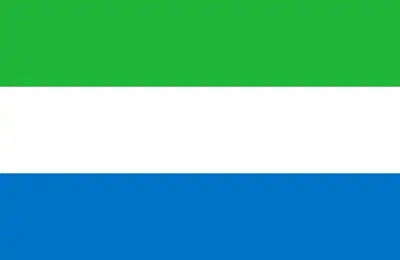
Sierra Leone's flag features three horizontal stripes of green, white, and blue. Green represents agriculture and the country's mountains, white symbolises unity and justice, and blue reflects the natural harbour at Freetown, the capital.
156. Singapore
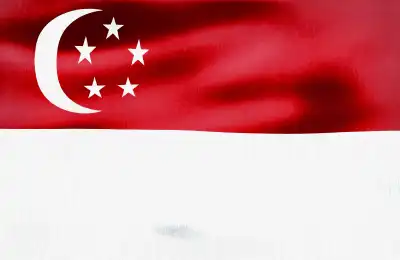
Singapore's flag features two horizontal stripes of red and white, with a white crescent moon and five white stars in the upper left corner. The crescent represents a young nation on the rise, and the five stars stand for democracy, peace, progress, justice, and equality.
157. Slovakia
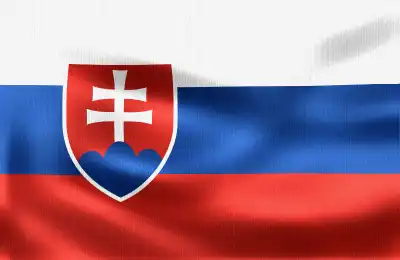
Slovakia's flag is a horizontal tricolour of white, blue, and red, with the national coat of arms on the left side. The coat of arms features a white double cross on a blue and red shield, which is a symbol deeply embedded in Slovak Christian heritage.
158. Slovenia
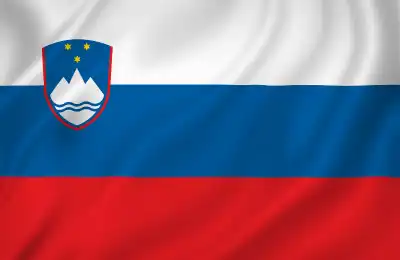
Slovenia's flag is a horizontal tricolour of white, blue, and red, with the national coat of arms in the upper left. The coat of arms features three yellow peaks representing Mount Triglav, along with blue wavy lines for rivers and three six-pointed stars.
159. Solomon Islands
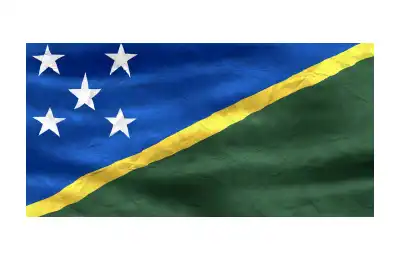
The Solomon Islands' flag features a diagonal blue stripe in the upper left and green in the lower right, separated by a thin yellow stripe, with five white stars in the blue section. The stars represent the country's five main island groups.
160. Somalia

Somalia's flag has a light blue background with a white five-pointed star in the centre. The blue reflects the flag of the United Nations, under whose authority Somalia was administered after independence, and the five points of the star represent the five regions inhabited by Somali people.
161. South Africa
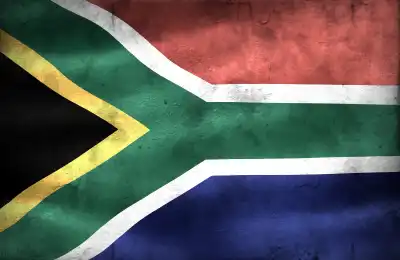
South Africa's flag is one of the most colourful in the world, featuring six colours: red, white, blue, green, yellow, and black. A green horizontal Y-shape links the hoist to the fly, and the flag was designed in 1994 to represent the unity of the country's diverse population following the end of apartheid.
162. South Korea
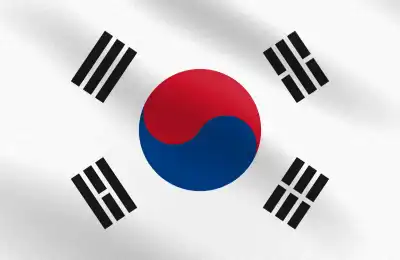
South Korea's flag, known as Taegukgi, features a white background with a red and blue yin-yang symbol in the centre and four black trigrams in each corner. The yin-yang represents balance and the continuous movement of the universe, and the trigrams are drawn from ancient Korean philosophy.
163. South Sudan
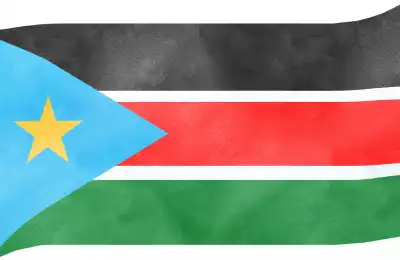
South Sudan adopted its flag in 2011, making it one of the newest national flags in the world. It features horizontal stripes of black, red, and green, separated by narrow white stripes, with a blue triangle on the left containing a golden star. The colours represent the people, the blood shed for independence, and the country's natural resources.
164. Spain
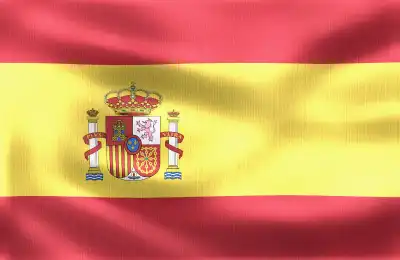
Spain's flag features three horizontal stripes of red, yellow, and red, with the national coat of arms on the yellow stripe. The coat of arms is one of the more complex in the world, featuring the arms of several historical Spanish kingdoms, a crown, the Pillars of Hercules, and the national motto.
165. Sri Lanka
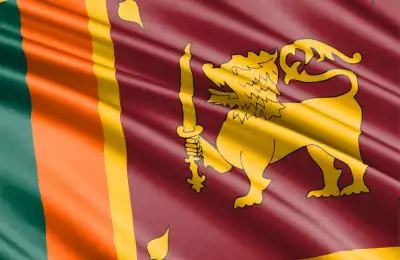
Sri Lanka's flag, known as the Lion Flag, features a golden lion holding a sword on a dark red background, with green and orange vertical stripes on the left. The lion is a powerful symbol of Sinhalese heritage, the green represents Islam, and the orange represents Hinduism.
166. Sudan
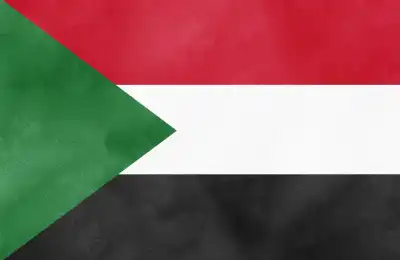
Sudan's flag features three horizontal stripes of red, white, and black, with a green triangle on the left. These are the pan-Arab colours, and the green triangle represents Islam and the fertility of the land.
167. Suriname
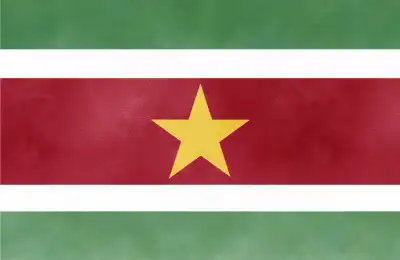
Suriname's flag features five horizontal stripes of green, white, red, white, and green, with a yellow five-pointed star in the centre of the red stripe. The star represents unity and hope, and the colours reflect the country's natural wealth, peace, and the sacrifice of its people.
168. Sweden
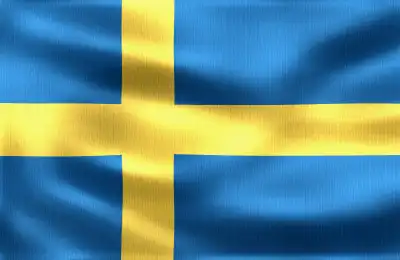
Sweden's flag features a yellow Nordic cross on a blue background. The design is one of the most recognisable Scandinavian flags, and the colours are drawn from the Swedish coat of arms, where the yellow cross and blue background have been used since at least the 16th century.
169. Switzerland
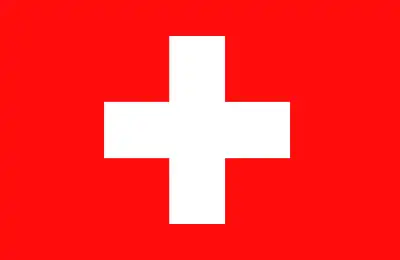
Switzerland's flag is one of only two national flags in the world that is square rather than rectangular (the other being Vatican City). It features a white cross on a red background and is one of the most widely recognised symbols in the world, partly because it inspired the design of the Red Cross emblem.
170. Syria
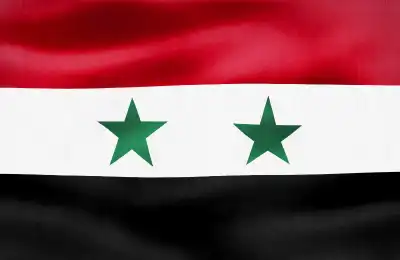
Syria's flag features three horizontal stripes of red, white, and black, with two green five-pointed stars on the white stripe. These pan-Arab colours are shared with several other Arab nations, and the stars represent Syria and Egypt, reflecting the countries' period of union as the United Arab Republic.
171. Taiwan
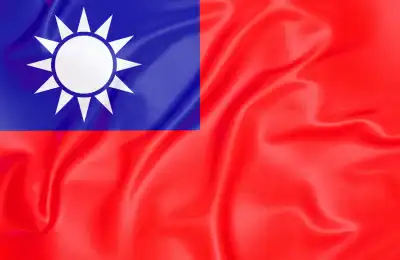
Taiwan's flag features a red background with a blue rectangle in the upper left corner containing a white sun with twelve rays. The sun represents the twelve months and the twelve traditional Chinese hours, and the three colours symbolise the Three Principles of the People: nationalism, democracy, and social welfare.
172. Tajikistan
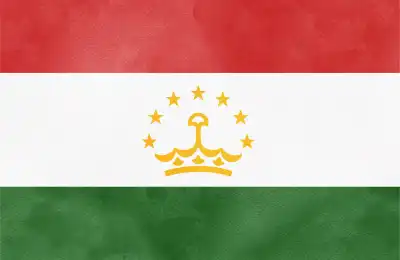
Tajikistan's flag features three horizontal stripes of red, white, and green, with a golden crown and seven stars in the centre of the white stripe. The crown and stars represent the country's sovereignty and the unity of its people.
173. Tanzania
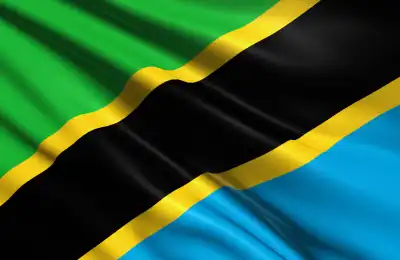
Tanzania's flag features a diagonal black stripe bordered by yellow running from the lower left to the upper right, with green in the upper left and blue in the lower right. Green represents the land, blue represents the sea (reflecting Tanzania's coastal geography), yellow symbolises mineral wealth, and black represents the people.
174. Thailand
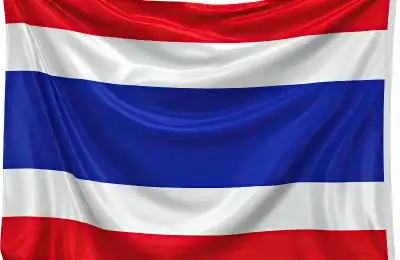
Thailand's flag features five horizontal stripes in red, white, blue, white, and red, with the central blue stripe twice the width of the others. Red represents the nation and the blood of life, white stands for religion and purity, and blue represents the monarchy.
175. Timor-Leste
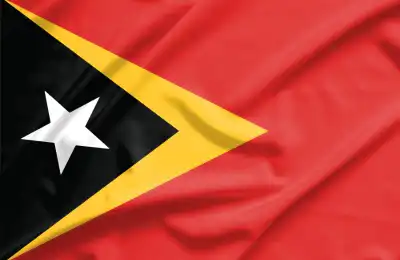
Timor-Leste's flag has a red background with a black triangle on the left bordered by yellow, and a white star on the black triangle. The black represents colonialism and the obstacles to be overcome, yellow symbolises the traces of colonialism, and the white star represents the guiding light of peace.
176. Togo
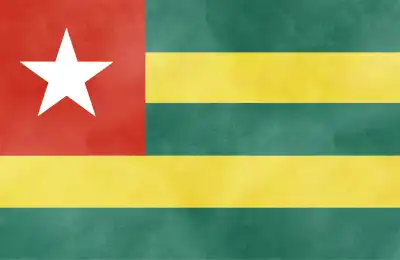
Togo's flag features five alternating horizontal stripes of green and yellow, with a red square in the upper left corner containing a white five-pointed star. The green represents the forests and agriculture, yellow symbolises mineral wealth, and red stands for the loyalty and patriotism of the people.
177. Tonga
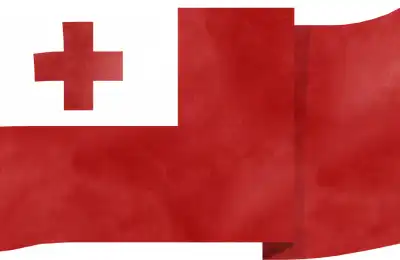
Tonga's flag has a red background with a white rectangle in the upper left corner containing a red cross. The cross represents Christianity, which plays a central role in Tongan culture and national identity, and the flag's design has remained largely unchanged since 1875.
178. Trinidad and Tobago
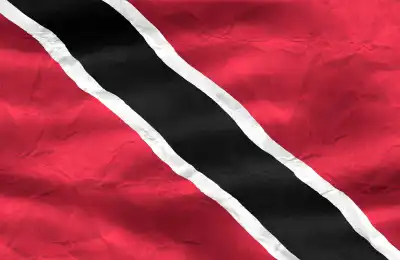
Trinidad and Tobago's flag has a red background with a diagonal black stripe bordered by white running from the upper left to the lower right. Red represents the warmth of the sun and the vitality of the land and people, black symbolises strength and unity, and white stands for the sea and purity.
179. Tunisia
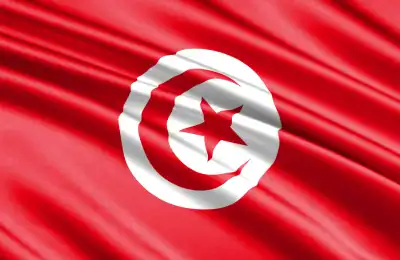
Tunisia's flag has a red background with a white circle in the centre containing a red crescent and star. The crescent and star are symbols of Islam, and the red and white are traditional Ottoman colours that reflect the country's history.
180. Turkey
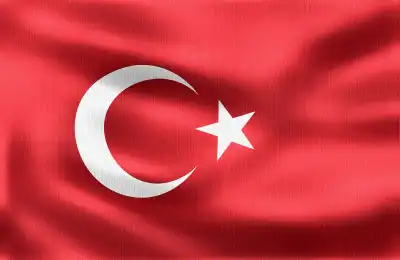
Turkey's flag closely resembles Tunisia's in its use of a red background, white crescent, and white star, but with the star and crescent positioned freely on the flag rather than inside a circle. The crescent and star have been symbols of the region since the Ottoman era.
181. Turkmenistan
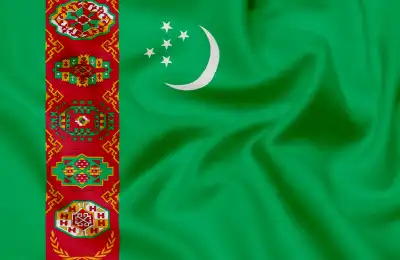
Turkmenistan's flag has a green background with a vertical red stripe near the left side containing five traditional carpet guls (decorative symbols). A white crescent and five white stars appear in the upper left, representing the five provinces of the country.
182. Tuvalu
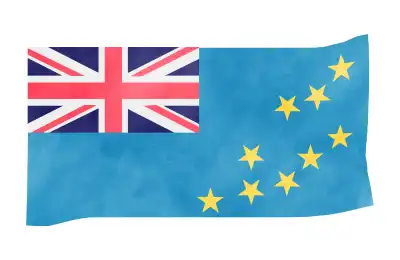
Tuvalu's flag features a light blue background with the Union Jack in the upper left corner and nine yellow stars on the right. The nine stars represent the country's nine inhabited atolls, and their positions roughly correspond to the islands' actual geographical arrangement.
183. Uganda
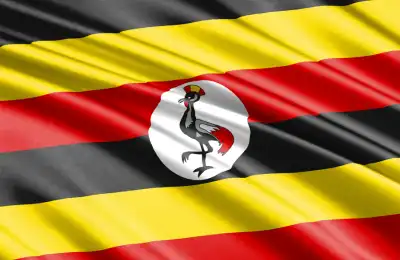
Uganda's flag features six horizontal stripes of black, yellow, and red repeated twice, with a white circle in the centre containing a grey crowned crane. The crane is Uganda's national bird, and the three colours represent the African people, the sunshine, and the brotherhood of Ugandans.
184. Ukraine
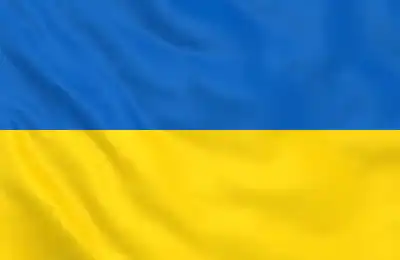
Ukraine's flag is a simple bicolour of blue on top and yellow on the bottom. The blue represents the sky and the mountains, and the yellow symbolises the golden wheat fields of the Ukrainian plains. Together they evoke the country's landscape in a clean and striking design.
185. United Arab Emirates
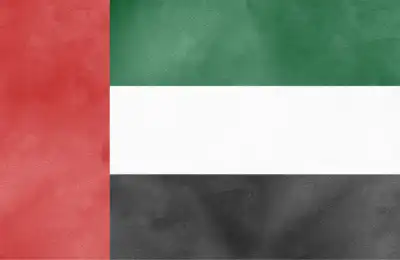
The UAE's flag features three horizontal stripes of green, white, and black, with a vertical red stripe on the left. The four colours are the pan-Arab colours, and the red stripe was a traditional colour of the Kharijite Muslims of the region.
186. United Kingdom
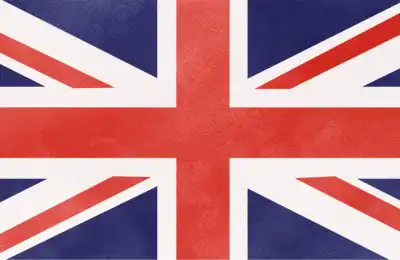
The United Kingdom's flag, known as the Union Jack, is one of the most recognisable flags in the world. It combines the crosses of St George (England), St Andrew (Scotland), and St Patrick (Ireland) and has been used in its current form since 1801. It continues to appear on the flags of many Commonwealth nations.
187. United States of America
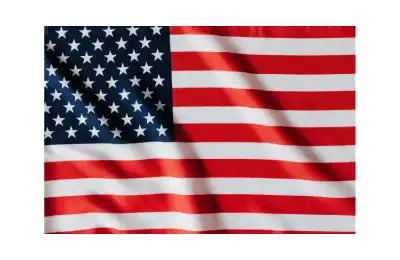
The United States' flag, known as "The Stars and Stripes," features 13 horizontal red and white stripes representing the original 13 colonies, and 50 white stars on a blue canton representing the 50 states. The flag has been updated 27 times as new states joined the union, making it one of the most frequently revised national flags in history.
188. Uruguay
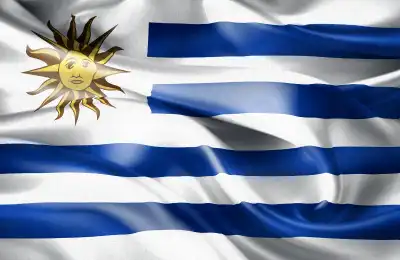
Uruguay's flag features nine horizontal stripes of white and blue, with a white canton in the upper left containing the golden Sun of May. The Sun of May is a symbol shared with Argentina, representing the Inca sun god and the first clear day after the May Revolution. The face depicted on the sun gives it a distinctly human quality.
189. Uzbekistan
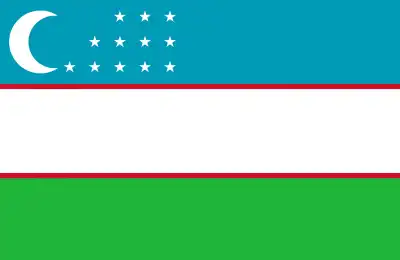
Uzbekistan's flag features three horizontal stripes of blue, white, and green, separated by thin red borders, with a white crescent and twelve white stars on the blue stripe. The crescent represents the new nation, and the stars represent the months of the Islamic calendar.
190. Vanuatu
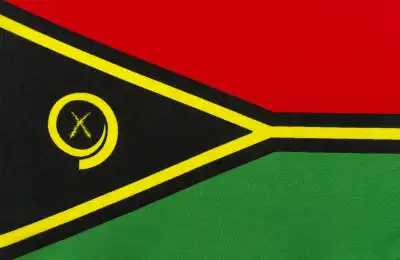
Vanuatu's flag features two horizontal stripes of red and green, divided by a black horizontal triangle and bordered by a thin band of black. A yellow Y-shape runs through the flag, and in the black triangle sits a yellow boar's tusk with two crossed namele fern leaves. These are traditional symbols of peace and prosperity in Vanuatu's culture.
191. Vatican City
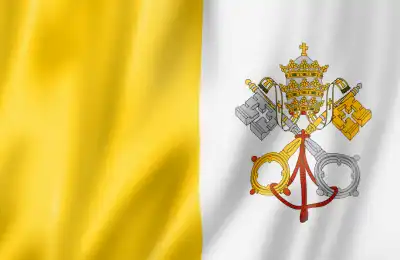
Vatican City's flag is one of only two square national flags in the world (alongside Switzerland). It features two vertical stripes of yellow and white, with the Papal insignia on the white stripe: the crossed keys of St Peter and the Papal tiara. It's the flag of the smallest country in the world by both area and population.
192. Venezuela
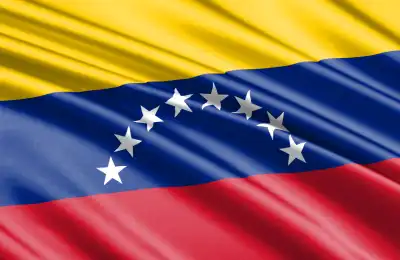
Venezuela's flag features three horizontal stripes of yellow, blue, and red, with eight white stars in a semicircle on the blue stripe and the national coat of arms in the upper left. The seven original stars represented the seven provinces that signed the Declaration of Independence, and an eighth was added by presidential decree in 2006.
193. Vietnam
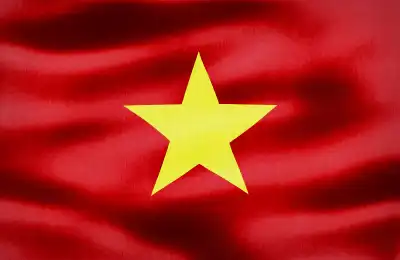
Vietnam's flag has a red background with a large golden five-pointed star in the centre. Red represents the revolution and the blood shed for independence, and the star's five points represent farmers, workers, intellectuals, youth, and soldiers, all united under socialism.
194. Yemen
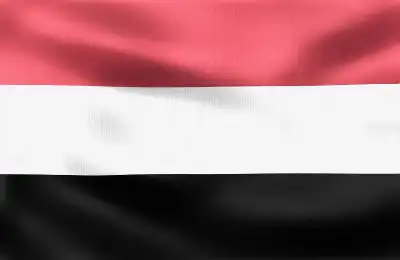
Yemen's flag is a simple horizontal tricolour of red, white, and black. These are the pan-Arab colours, and the flag was unified in 1990 when North and South Yemen merged into a single country.
195. Zambia
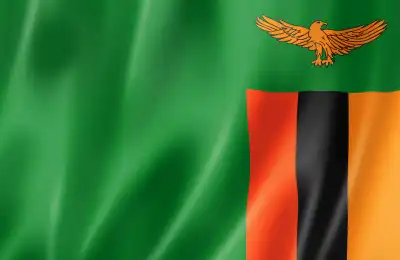
Zambia's flag has a green background with a vertical block of red, black, and orange stripes on the right side, and an orange eagle above the stripes. The green represents the country's natural resources, red stands for the freedom struggle, black represents the Zambian people, and orange reflects the country's copper wealth.
196. Zimbabwe
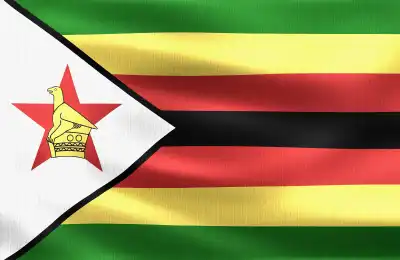
Zimbabwe's flag features seven horizontal stripes of green, yellow, red, and black, with a white triangle on the left containing a red five-pointed star and the Zimbabwe Bird. The Zimbabwe Bird is a carved soapstone figure found at the ancient ruins of Great Zimbabwe, making it one of the few flags in the world to feature an archaeological artefact.
Study Heraldry for £29
If exploring the world's flags has sparked a deeper interest in symbols, coats of arms, and the ancient art of heraldic design, the Heraldry Diploma Course is a wonderful place to take that curiosity further. You can get started today for just £29.