Across cultures and centuries, angels have appeared as messengers, protectors, and symbols of hope. But what is the meaning behind angels, and why do they continue to hold such power in the modern world?
What’s in This Guide?
This guide explores angel symbolism, from the spiritual meaning of angel wings to what angels symbolise in religion, literature, and everyday life.
Jump to:
What Is an Angel?
The definition of an angel is a spiritual being believed to act as a messenger or servant of the divine. The word “angel” comes from the Greek word angelos, meaning “messenger.” Many interpret angels as communicators between heaven and earth.
Spiritually, angels are usually understood as beings of light who guide, protect, and support humanity. They’re not human, but are often described in human form so that people can relate to them more easily.
What Are the Three Main Functions of Angels?
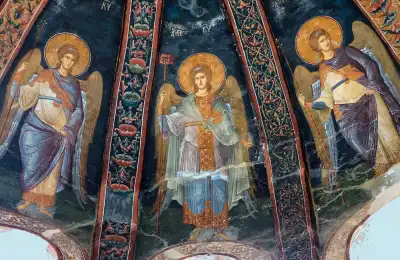
Although interpretations vary, three primary roles appear again and again:
- Messengers: Angels communicate divine will or spiritual insight. This connects directly to the original meaning of the word angel.
- Protectors: Guardian angels are believed to shield people from harm or guide them away from danger.
- Guides and Comforters: Angels are often associated with emotional and spiritual support. Many people turn to angels during times of grief, fear, and uncertainty.
In this sense, angel symbols and meanings often relate to reassurance and inner strength.
What Does an Angel Represent Spiritually?
Angels generally have positive associations and are symbolic of:
- Hope: Angels frequently appear in moments of despair or uncertainty, reminding people that help and guidance is available.
- Divine Love: Angels represent unconditional care and compassion.
- Higher Awareness: Because angels operate on a spiritual level, they symbolise wisdom that goes beyond everyday understanding.
- Transformation: In some interpretations, angels symbolise spiritual awakening and personal growth.
So, when you see an angel image or identify a sign from an angel, you might reflect on what support, insight, or reassurance you’re seeking in your own life.
Angelic Symbols and Meanings
Angelic symbols and meanings have appeared in art, religion, and spiritual traditions for centuries. Below are some of the most enduring angel symbols and what they represent.
Wings
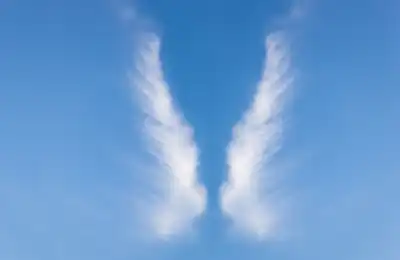
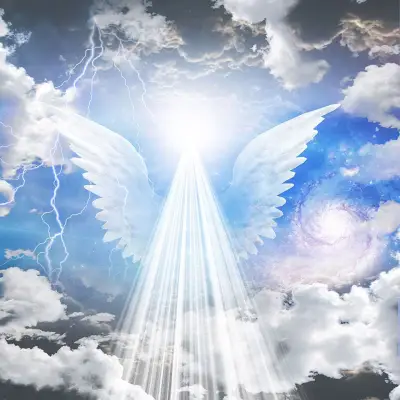
Wings are the most widely recognised of all angel symbols. The symbolism of angel wings centres on freedom, transcendence, and the ability to move between earthly and spiritual realms. Because angels are believed to travel between heaven and earth, wings symbolise that sacred connection.
The significance of angel wings often includes spiritual elevation, freedom from earthly limits, and comfort during loss. Angel wing symbolism is especially common in memorial art, where wings suggest that a loved one is safe and at peace. In jewellery and tattoos, angel wings often reflect faith or a personal desire for guidance and protection.
Halos
Halos are circular rings of light placed above an angel’s head. They represent holiness, divine light, and spiritual purity. In religious art, halos visually separate angels from ordinary human figures, highlighting their sacred nature.
Halos reinforce the idea of enlightenment and higher consciousness. They suggest that angels operate from a place of clarity and moral goodness.
Trumpets
Trumpets appear in many traditional depictions of angels, particularly in biblical scenes. They symbolise awakening and important messages.
In angel symbolism, a trumpet represents communication from the divine. It reflects the angels' definition as messengers and emphasises their role in delivering guidance or revelation. The image of an angel with a trumpet suggests that something significant is being revealed or brought into awareness.
Light
Light is one of the most powerful symbols of angelic presence. Angels are often surrounded by radiance or described as beings of light. This symbol represents purity, truth, and spiritual clarity.
Light conveys hope and reassurance, suggesting illumination during darkness and guidance during uncertain times. The association between angels and light strengthens their symbolic link to protection and higher wisdom.
White Robes
White robes frequently appear in traditional angel imagery. The colour white symbolises innocence, peace, and spiritual refinement.
They also express the idea of moral purity and alignment with divine will. White robes visually communicate serenity and calm, reinforcing the comforting presence that angels are believed to embody.
Feathers
Feathers are commonly associated with angels, especially in modern spiritual beliefs. Finding a feather is often interpreted as a sign of angelic presence, reassurance, and gentle guidance.
Within angel symbolism, feathers represent spiritual protection and a reminder that you’re not alone.
Numbers
Numbers are often associated with angelic guidance, particularly in modern spiritual beliefs. Repeating number sequences such as 111, 222, or 444 are sometimes described as angel numbers. These are thought to symbolise reassurance, alignment, or messages of encouragement.
Within angelic symbols and meanings, numbers represent subtle communication and gentle reminders that you’re supported and guided.
Angel Symbolism in Different Cultures
Across the world, angels have carried unique meanings. Below are examples of how different cultures and traditions have understood angels and their significance.
- Christianity – Angels represent guidance and worship. They announce sacred events and serve as intermediaries between God and humanity. Guardian angels symbolise personal protection, while archangels represent leadership and divine authority.
- Islam – Angels are viewed as obedient servants of God who carry out specific duties. Jibril (Gabriel) delivers revelation, while other angels record human actions or oversee natural forces. Angel symbolism here reflects accountability and faithful service.
- Zoroastrianism – Spiritual beings known as Amesha Spentas function similarly to angels. They represent divine qualities such as righteousness and devotion. These figures symbolise the ongoing struggle between light and darkness, reinforcing moral responsibility.
- Ancient Persia and Mesopotamia – Winged spiritual beings appeared in carvings and reliefs, often guarding sacred spaces. These figures symbolised protection and divine oversight. Their wings emphasised their connection to higher realms.
- Norse Mythology – While not angels in the traditional sense, the Valkyries served as divine messengers who guided fallen warriors to the afterlife. They symbolised fate and the link between mortal life and the spiritual world.
- Hindu Tradition – Celestial beings such as Devas and apsaras share qualities with angels. They act as intermediaries between humans and higher powers, symbolising cosmic order and spiritual assistance.
- Buddhism – In some Buddhist traditions, celestial beings known as Devas inhabit higher realms and represent spiritual progression. They symbolise enlightenment, compassion, and the rewards of positive action.
- Modern Spiritual Beliefs – In contemporary spirituality, angels are often viewed as personal guides or sources of comfort. Angel numbers, feathers, and light imagery are interpreted as subtle signs of reassurance and alignment. Here, angel symbolism reflects personal growth and unseen support.
Angels in Art and Literature
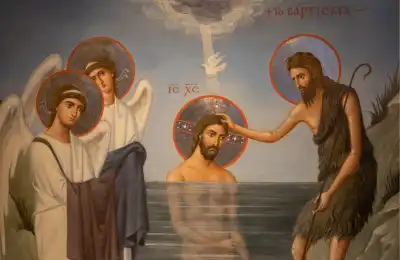
Artists and writers have long been inspired by angel imagery, using it to explore themes of morality, protection, sacrifice, and spiritual conflict:
- Sandro Botticelli – The Mystical Nativity: Botticelli’s angels surround the central scene in a circular dance, symbolising divine protection and heavenly celebration. Their presence reinforces themes of hope and spiritual harmony.
- Michelangelo – The Last Judgment: In this dramatic fresco, angels appear as powerful figures carrying trumpets and sacred instruments. They represent divine authority, judgement, and the awakening of souls.
- Raphael – The Sistine Madonna: The two small cherubs at the bottom of the painting have become iconic in their own right. Here, angels symbolise innocence and quiet contemplation.
- John Milton – Paradise Lost: Milton presents angels as complex beings with free will. The fallen angels, led by Satan, symbolise rebellion and the consequences of ambition.
- Charles Dickens – A Christmas Carol: While not traditional winged angels, the Ghosts guiding Scrooge function symbolically as angelic figures. They represent moral awakening and redemption.
- William Blake – Poetry and Illustrations: Blake frequently depicted angels as messengers of spiritual insight. In his poetry and artwork, angels symbolise divine inspiration and the connection between the human soul and higher truth.
Whether painted in Renaissance frescoes or woven into epic poetry and novels, angels serve as layered creative symbols.
Frequently Asked Questions About Angel Symbolism
What do angels teach us?
Angels are associated with compassion, faith, and trust during uncertain times. Their symbolism encourages you to act with kindness and listen to your inner guidance.
What do angels mean in tattoos?
Angel tattoos often symbolise protection, remembrance, faith, and transformation. Angel wings commonly reflect freedom or a connection to someone who has passed away.
Which angel tattoo should you avoid?
There is no universal tattoo design to avoid, but it is important to understand the symbolism behind your chosen image. A design that conflicts with your beliefs or values may not feel meaningful over time.
Are angels a symbol of hope?
Angels are widely seen as symbols of hope and encouragement. Their presence in art and belief systems often represents light during difficult times.
What are three characteristics of angels?
Angels are commonly described as spiritual beings, messengers, and protectors. These qualities shape much of angel symbolism across cultures.
Recommended for you!
Best Sellers

Study Angel Magic for £29
If you’ve always wanted to go deeper into angel symbolism and learn how to connect with angels, then this is your sign. Our Angel Magic Diploma Course is crafted to unveil the messages angels hold and is designed with your lifestyle in mind, offering the flexibility to learn at your own pace. You'll receive personalised tutor support and connect with fellow learners, creating a supportive network on your educational journey. Enrol today at a special discounted price of £29!