Hamsa tattoo meaning is rooted in one of the most widely shared protective symbols in the world, representing blessings, protection, and warding off negative energy. If you're considering a Hamsa tattoo, or you've seen one and wondered about the story behind it, this guide covers its symbolism, cultural significance, and design choices.
What's in this Guide?
This guide explains what a Hamsa tattoo represents, its meaning across different religious traditions, and how details like hand orientation and colour can shape its meaning. You'll also find honest guidance on the question of cultural appropriation.
Jump to:
- What Does a Hamsa Tattoo Symbolise?
- What Does a Hamsa Tattoo Mean Spiritually?
- Hamsa Tattoo Meaning Across Cultures
- Hamsa vs Evil Eye Tattoo: What's the Difference?
- Which Way Should a Hamsa Tattoo Face?
- Is a Hamsa Tattoo Cultural Appropriation?
- Hamsa Tattoo Design Combinations
- Hamsa Tattoo Meaning by Placement
- Frequently Asked Questions
- Study Symbology for £29
What Does a Hamsa Tattoo Symbolise?

A Hamsa tattoo represents protection, blessings, and warding off negative energy, depicted as a hand shape, often with an eye at its centre. The symbol has been used for centuries across the Middle East and North Africa, worn as jewellery, hung in homes, and now widely chosen as a tattoo, all with the same underlying purpose of guarding against harm.
Beyond protection, people choose Hamsa tattoos for a range of reasons, including:
- Good fortune and blessings
- Guarding against the evil eye specifically
- A connection to Middle Eastern, Jewish, or Islamic heritage
- Strength and femininity, given the symbol's association with several important religious female figures
- Balance and harmony, since the symbol is often shown symmetrically
So if you're wondering what a Hamsa tattoo represents, the answer usually comes down to a mix of protection and blessing.
What Does a Hamsa Tattoo Mean Spiritually?
Spiritually, the Hamsa is believed to offer protection against negative energy, misfortune, and the evil eye specifically, a form of harm believed to come from envious or ill-intentioned glances from others. The hand shape itself is often interpreted as a gesture of blocking or warding off this negative energy before it can take hold.
The eye frequently placed at the centre of the design is thought to represent watchfulness, symbolically looking back at any negative energy directed towards the wearer and reflecting it away. Together, the hand and eye form one of the most recognisable protective symbols across multiple overlapping cultural and religious traditions.
Hamsa Tattoo Meaning Across Cultures
The Hamsa carries slightly different names and associations depending on the tradition it comes from, though the core protective meaning remains broadly consistent.
Jewish Hamsa Meaning
Within Jewish tradition, the Hamsa is sometimes referred to as the Hand of Miriam, named after the sister of Moses and Aaron. It's a popular protective symbol in Jewish culture, often worn as jewellery or displayed in the home.
Islamic Hamsa Meaning
Within Islamic tradition, the Hamsa is often called the Hand of Fatima, named after the daughter of the Prophet Muhammad. It carries similar protective symbolism, representing patience, faith, and protection against harm.
Wider Middle Eastern and North African Meaning
Beyond these two specific religious associations, the Hamsa has been used as a protective symbol across the wider Middle East and North Africa for thousands of years, predating both Judaism and Islam in some historical accounts, and is shared today across various cultural and religious groups throughout the region.
Hamsa vs Evil Eye Tattoo: What's the Difference?
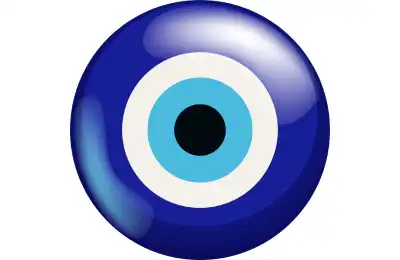
These two symbols are closely related and often paired, but they aren't the same. The Hamsa is a hand-shaped symbol representing protection and blessing more broadly, while the evil eye, or nazar, is specifically an eye-shaped charm believed to protect against envious or harmful glances directed at the wearer.
Because both symbols share overlapping protective meaning and are so often used together, many Hamsa tattoo designs incorporate an eye directly into the palm of the hand, effectively combining both symbols into one.
Which Way Should a Hamsa Tattoo Face?
This is a genuinely debated detail, with no single, universally agreed answer. Some traditions suggest a Hamsa with fingers pointing upward is intended to ward off negative energy, actively blocking harm before it arrives. A Hamsa with fingers pointing downward is sometimes associated with inviting blessings, abundance, and good fortune into your life instead.
That said, these interpretations vary considerably across cultural sources, and many people choose the orientation they find most visually appealing without changing their personal connection to the symbol's core meaning.
Is a Hamsa Tattoo Cultural Appropriation?
Because the Hamsa is shared across Jewish, Islamic, and various other Middle Eastern and North African traditions, rather than belonging to one single closed culture, many people feel comfortable wearing it respectfully regardless of their own religious or cultural background.
That said, it's worth being mindful of the symbol's specific religious significance within both Jewish and Islamic tradition, rather than treating it purely as decoration. Taking the time to understand where the symbol comes from and what it means to the communities who use it is a reasonable way to approach the tattoo thoughtfully.
Hamsa Tattoo Design Combinations
The Hamsa is frequently combined with other symbols, each pairing adding its own layer of meaning.
A Hamsa paired with a lotus flower brings together protection with purity and spiritual growth, since the lotus rises clean from muddy water. A Hamsa with an elephant combines protection with strength, wisdom, and good fortune, drawing on the elephant's own significance in various spiritual traditions. Pairing the Hamsa with a mandala reinforces themes of balance and protection even further, while a Hamsa with the Om symbol adds a layer of spiritual connection and inner peace to the design.
Hamsa Tattoo Meaning by Placement
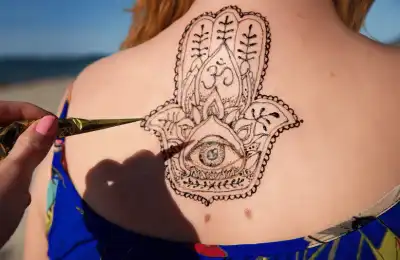
Where you place a Hamsa tattoo can add another layer to its meaning. A wrist placement is one of the most popular choices, small and personal, often chosen as an everyday reminder of protection. A back placement offers more space for a detailed design, sometimes incorporating additional protective symbols.
A neck placement is bold and visible, while a hand placement is particularly meaningful, since it echoes the symbol's shape directly on the body part it represents.
Recommended for you!
Best Sellers




Frequently Asked Questions
Is a Hamsa Tattoo Good Luck?
Yes, the Hamsa is widely considered a positive, protective symbol associated with good fortune and warding off negative energy, rather than bad luck.
Is a Hamsa Tattoo Haram?
Views on this vary among Muslims. Some scholars consider tattoos generally discouraged or impermissible within Islamic teaching regardless of the design, while others hold more relaxed views. If this matters to you, it's worth seeking guidance specific to your own tradition and community.
Can Christians Get a Hamsa Tattoo?
This is a personal decision, and views vary. Since the Hamsa isn't a Christian symbol, some Christians see no conflict in wearing it for its broader protective symbolism, while others may prefer to avoid religious imagery from outside their own faith.
What Does a Small Hamsa Tattoo With an Eye Mean?
A smaller Hamsa design incorporating an eye carries the same core symbolism of protection as a larger design, combining the hand's warding power with the eye's watchfulness in a more understated, personal form.
What Does a Hamsa Tattoo Mean on a Woman?
The Hamsa's association with figures like Miriam and Fatima gives it a particular resonance for many women, though the symbol itself isn't strictly gendered and carries the same protective meaning regardless of who wears it.
Is It Okay to Get a Hamsa Tattoo If I'm Not Religious?
Many people choose the Hamsa specifically for its broader symbolism of protection and good fortune, separate from religious observance, and this is generally considered an acceptable way to engage with the symbol.
What's the Difference Between Hamsa, Khamsa, and Chamsa?
These are simply different spellings of the same word, reflecting variations in transliteration from Arabic and Hebrew, all referring to the same protective hand symbol.
Study Symbology for £29
If Hamsa symbolism has struck a chord with you, our Symbology Diploma Course explores the meaning behind powerful symbols like this one in far more depth. For a limited time, you can enrol for just £29.