Symbols of protection have appeared across nearly every culture throughout history, worn as jewellery, painted on doorways, or carried as personal talismans against harm. If you're drawn to a particular protection symbol, or you're simply curious about where these traditions come from, this guide covers 12 of the most enduring symbols and what they represent.
What's in this Guide?
This guide explores 12 well-known symbols of protection from cultures around the world, including their origins and meanings. You'll also find guidance on choosing a protection symbol that genuinely resonates with you.
Jump to:
12 Symbols of Protection From Around the World
Protection symbols vary enormously between cultures, though many share a common purpose: warding off harm, negativity, or misfortune. Here are 12 of the most widely recognised.
The Evil Eye (Nazar)
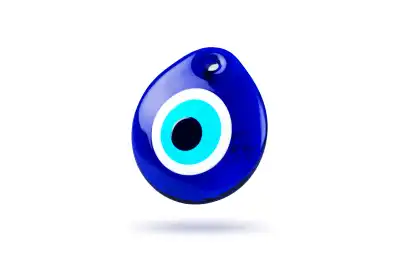
The evil eye, often called nazar, is one of the most widely recognised protection symbols in the world, found throughout Mediterranean, Middle Eastern, and South Asian cultures. It's believed to protect the wearer from the "evil eye," a form of harm caused by envious or ill-intentioned glances from others, often represented as a blue and white eye-shaped charm.
The belief predates any single religion, with versions of the concept appearing in Ancient Greek and Roman texts long before it took its now-familiar blue glass form. Today, the symbol appears in many forms:
- Bracelets and necklaces worn for personal protection
- Wall hangings placed near entrances to protect the home
- Car charms intended to ward off accidents or bad luck on the road
Belief in the evil eye remains genuinely widespread today, with the charm sold and worn across dozens of countries regardless of religious background.
The Hamsa Hand
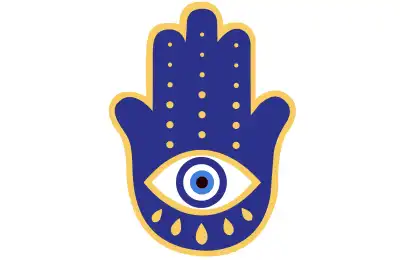
The hamsa is a hand-shaped symbol found across Jewish, Islamic, and wider Middle Eastern traditions, often incorporating an eye at its centre. It's believed to protect against negative energy and misfortune, and is commonly worn as jewellery or hung in homes for protection.
Within Jewish tradition, the hamsa is sometimes called the Hand of Miriam, while in Islamic tradition it's often referred to as the Hand of Fatima, named after two significant religious figures. Despite these different names and specific associations, the underlying protective meaning remains largely consistent across both traditions, which is part of why the symbol has become so widely shared.
The Eye of Horus
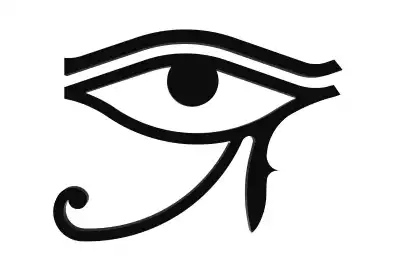
In Ancient Egyptian mythology, the Eye of Horus represents protection, health, and royal power, drawing on the myth of the god Horus, whose eye was said to have been injured and later restored. It was commonly used as a protective amulet, believed to ward off evil and promote wellbeing.
Ancient Egyptians frequently placed the symbol on jewellery, coffins, and amulets, believing it offered protection both in life and into the afterlife. Each individual part of the eye's distinctive shape was also historically linked to a specific fraction, tying the symbol to mathematics and measurement as well as protection and mythology.
The Pentacle
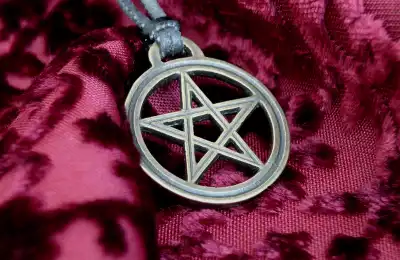
Within Wiccan and pagan traditions, the pentacle, a five-pointed star enclosed in a circle, is used as a protective symbol representing the five elements: earth, air, fire, water, and spirit. It's often worn as jewellery or used within ritual practice for protection and grounding.
Each point of the star is typically associated with one of the five elements, with the surrounding circle representing unity and wholeness. The pentacle is sometimes confused with the pentagram, a closely related but distinct symbol without the enclosing circle, which carries slightly different connotations depending on the tradition.
The Vegvisir
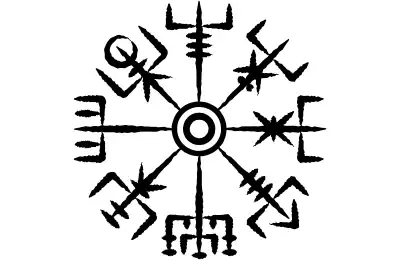
The Vegvisir, sometimes called the Viking compass, is a Norse symbol believed to help the bearer find their way and stay safe during difficult journeys. Though its exact historical origins are debated, it remains a popular modern symbol of protection and guidance.
The symbol consists of eight distinct rune-like spokes radiating outward from a central point, each said to represent a different direction or aspect of guidance. While its association with actual Viking-era navigation is contested by historians, given that the earliest known references appear in later Icelandic manuscripts, its modern reputation as a protective travel symbol remains strong, particularly in tattoo culture.
The Aegishjalmur (Helm of Awe)
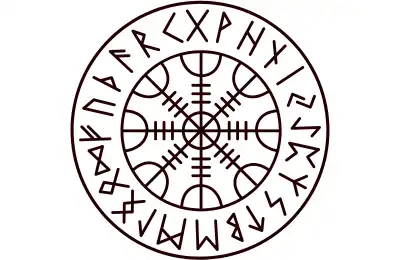
Also rooted in Norse tradition, the Aegishjalmur, or Helm of Awe, was historically associated with protection in battle, believed to instil fear in enemies while shielding the wearer from harm. It's frequently used today in tattoos and jewellery as a symbol of strength and defence.
The symbol appears in the Icelandic sagas, where it's described as being worn between the eyes, sometimes pressed onto the forehead using iron, to grant invincibility and psychological dominance over opponents. Its eight radiating spiked arms are often interpreted as representing protection extending outward in every direction, which is part of why it remains such a popular choice for anyone seeking a symbol of strength and defence today.
The St. Benedict Medal
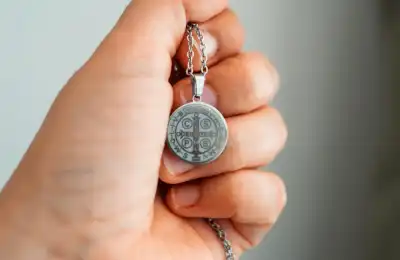
Within Christian tradition, the St. Benedict Medal is widely regarded as a powerful protective symbol against evil, inscribed with Latin phrases believed to offer spiritual defence. It's commonly worn or placed within homes as a form of blessing and protection.
The medal typically features an image of St. Benedict on one side, holding a cross and the Rule of St. Benedict, while the reverse is inscribed with initials representing a prayer of exorcism against evil. Many Catholics have the medal blessed by a priest before wearing it, believing this blessing activates its full protective significance, and it's frequently given as a gift during christenings, confirmations, or times of hardship.
The Archangel Michael Symbol
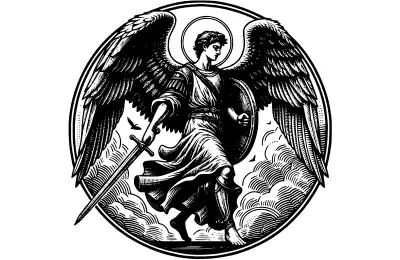
Archangel Michael is widely regarded across Christian tradition as a protector against evil and negativity, often depicted with a sword and shield. Symbols and medals associated with him are commonly used for spiritual protection.
Michael is described in scripture as the archangel who leads the forces of heaven against evil, making him one of the most invoked figures specifically for protection prayers and blessings. Pendants and medals bearing his image are popular among:
- People in professions involving physical risk, such as police officers, soldiers, and firefighters
- Anyone seeking spiritual protection during a difficult or uncertain period
- Those looking for a symbol of courage and strength rather than protection alone
The Ankh
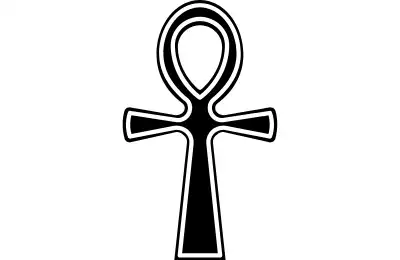
The Ankh is an Ancient Egyptian symbol representing life and protection, often depicted being carried by gods and pharaohs as a sign of divine power and safeguarding. It remains a popular protective symbol today, often worn as jewellery.
Shaped like a cross with a looped top, the Ankh was frequently included in tomb paintings and carvings, symbolising the promise of life continuing beyond death. It was so closely tied to divine authority that only gods, pharaohs, and high-ranking figures were typically depicted holding it, reinforcing its association with protection granted from a higher power.
The Triquetra
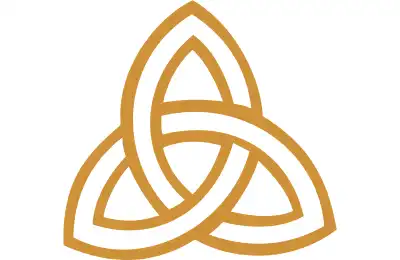
Rooted in Celtic tradition, the triquetra is a three-pointed knot symbol believed to represent protection, unity, and the interconnected nature of body, mind, and spirit. It's a common motif in Celtic art and jewellery associated with warding off harm.
The symbol's continuous, unbroken lines are often read as representing eternity and the interconnectedness of all things, a common theme throughout Celtic knotwork more broadly. While its earliest origins predate Christianity, the triquetra was later adopted by some Christian traditions as a representation of the Holy Trinity, giving it a dual layer of meaning depending on the context it's used in.
The Dreamcatcher
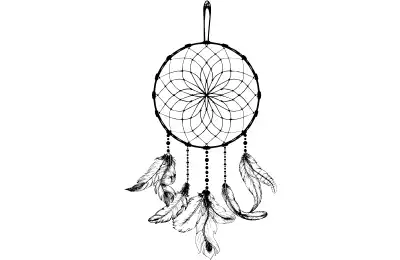
Originating with the Ojibwe people, the dreamcatcher is designed to filter out negative dreams and energy while allowing positive energy to pass through. Its use has spread widely beyond its original context, though it's worth approaching this particular symbol thoughtfully.
Traditionally hung above where a person sleeps, the dreamcatcher's web is believed to catch bad dreams before they reach the sleeper, while good dreams slip through and glide down attached feathers. Because the dreamcatcher comes from a specific Indigenous tradition, it's worth being mindful of its origins and, where possible, supporting Native artisans if you choose to buy or use one.
The Red String Bracelet
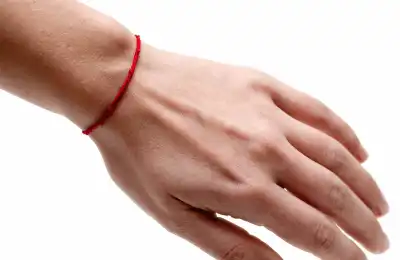
Rooted in Kabbalistic Jewish tradition, the red string bracelet is worn on the left wrist as protection against negative energy and the evil eye specifically. It's typically blessed or tied by another person rather than the wearer themselves, adding a communal element to its protective meaning.
According to tradition, the string is often blessed at significant sites, such as the tomb of Rachel in Bethlehem, before being cut into individual pieces and tied onto the wrist. The bracelet is generally worn until it naturally frays and falls off, at which point it's often understood to have absorbed and dispersed whatever negative energy it was protecting against.
How to Choose a Protection Symbol
With so many protection symbols to choose from, it's worth taking a moment to think it through rather than picking based on appearance alone:
- Consider which cultural or spiritual tradition genuinely resonates with you, rather than choosing purely on looks.
- If a symbol comes from a specific religious or cultural tradition, take the time to understand its background before adopting it, particularly for jewellery or a tattoo.
- Think about the context you'll use it in, such as a wearable charm, a piece hung at home, or something more personal and private.
- Remember that protective meaning, for many people, comes largely from personal intention and belief rather than the object itself.
- Choose something that feels genuinely meaningful to you, rather than simply popular, since this tends to carry far more significance over time.
Recommended for you!
Best Sellers


Frequently Asked Questions
What Is the Most Powerful Symbol of Protection?
There's no single "most powerful" symbol, since protective meaning varies significantly by culture and personal belief. The evil eye and hamsa are among the most widely recognised globally, though their significance depends heavily on the tradition they come from.
What Is the Celtic Symbol for Protection?
The triquetra is one of the most recognised Celtic protection symbols, representing unity and interconnectedness, though Celtic knotwork more broadly is often associated with protection and continuity.
What Is the Viking Symbol for Protection?
The Aegishjalmur, or Helm of Awe, is the Norse symbol most closely associated with protection, particularly during conflict, alongside the Vegvisir, which is more associated with safe guidance and direction.
Is It Okay to Wear a Hamsa If I'm Not Jewish or Muslim?
This is genuinely debated. The hamsa is shared across several cultures and religions, so many people feel comfortable wearing it respectfully, though it's worth being mindful of its specific religious significance within Jewish and Islamic traditions rather than treating it purely as decoration.
What Jewellery Symbolises Protection?
Evil eye bracelets, hamsa necklaces, and St. Benedict medals are among the most popular protective jewellery items, each carrying meaning from their respective cultural or religious traditions.
What Are Protective Charms?
A protective charm, sometimes called a talisman, is any object believed to ward off harm or negative energy, ranging from religious medals to symbolic jewellery, often carried or worn close to the body.
Can Christians Wear the Pentacle?
This varies by individual belief. The pentacle is most closely associated with Wiccan and pagan traditions, so some Christians choose to avoid it due to this association, while others see no conflict in wearing it purely as a symbol of protection or the five elements.
Study Symbology for £29
If the meaning behind protective symbols has sparked your curiosity, our Symbology Diploma Course explores symbols and their meanings across cultures in far more depth. For a limited time, you can enrol for just £29.