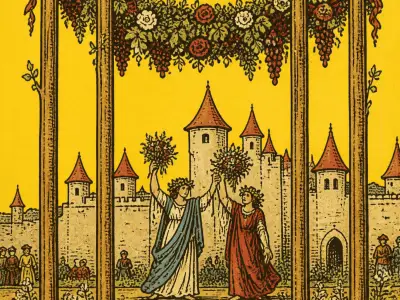
What is love, really?
Is it just emotion and chemistry, or something deeper? For thousands of years, philosophers of love have tried to answer this question. From Plato’s reflections on soulmates to modern debates about commitment and autonomy, the philosophy of love explores what love means, why we value it, and whether it can be understood rationally.
What’s in This Guide?
If you’ve ever wondered about the philosophical meaning of love, whether true love exists, or what great love philosophers have said about relationships, this guide explore the key ideas.
Jump to:
- What Is the Philosophy of Love?
- The Philosophical Meaning of Love
- Different Philosophers and Their Theories on Love
- Can Love Be Analysed Rationally?
- What Is the Meaning of True Love in Philosophy?
- Philosophers’ Quotes on Love
- Philosophy of Love and Modern Relationships
- Frequently Asked Questions
- Why Study the Philosophy of Love?
- Study Philosophy for £29
What Is the Philosophy of Love?
The philosophy of love is a branch of philosophy that examines the nature, purpose and value of love. It asks questions such as:
- What is love in philosophical terms?
- Is love an emotion, a choice, or a virtue?
- Can love be defined rationally?
- What makes romantic love different from friendship?
- Is true love real?
Rather than offering dating advice, philosophy on relationships focuses on deeper issues: trust, desire, attachment, morality, commitment and identity. It explores how love shapes who we are and how we live. It asks what love is, what it ought to be, and how it fits into a good life.
The Philosophical Meaning of Love

When philosophers analyse love, they often break it down into three different elements:
1. Love as Desire
Some philosophers argue that love begins in desire: we love what we lack or what we admire. In Plato’s Symposium, love (eros) is described as a longing for beauty and goodness. Love pushes us to seek something beyond ourselves.
This idea suggests that romantic philosophy begins with attraction but points toward growth. We are drawn to others because they represent something we aspire to.
2. Love as Union
Another view sees love as a form of union. When people say they feel “complete” with someone, they’re expressing the idea that love creates a shared identity. Philosophers of love debate whether this merging is healthy or whether it risks losing individuality.
Modern philosophers often question whether true intimacy requires balance: closeness without self-erasure.
3. Love as Commitment
Some love philosophers focus less on emotion and more on action. They argue that love is not just a feeling but a commitment. It involves loyalty, responsibility and choice.
On this view, love is not something that simply happens to us, but something we actively maintain.
Different Philosophers and Their Theories on Love
Philosophers have been trying to define love for centuries, and their ideas reveal just how complex romantic relationships really are. Some see love as a desire for beauty, others as a form of friendship, and many modern thinkers explore love through ethics, autonomy and identity.
Below are some of the most influential philosophers of love, and what each of them suggests love truly is.
Plato: Love as the Search for Wholeness and Beauty
No discussion of the philosophy of love is complete without Plato. In The Symposium, Plato presents the famous idea that humans were once whole beings, split in two, and now spend their lives searching for their missing half. This myth has strongly shaped the modern concept of soulmates.
For Plato, love is not simply physical attraction, but a pathway toward wisdom and higher understanding. Plato’s philosophy of love suggests that love can elevate us, moving from desire for another person toward appreciation of beauty, truth and meaning itself.
Aristotle: Love as Friendship and Virtue
While Plato emphasised transcendence, Aristotle grounded love in friendship and character.
Aristotle argued that the strongest form of love is based on virtue. In this kind of relationship, two people admire one another’s values, support each other’s growth, and genuinely wish each other well.
Rather than being based on pleasure or convenience, Aristotle believed love should be stable and rooted in mutual respect. For him, love supports human flourishing, helping both partners become better versions of themselves. This remains one of the most influential ideas in modern philosophy on relationships.
Modern Philosophers: Love as Ethics, Choice and Identity
Contemporary thinkers have expanded the philosophy of love beyond destiny and romance, focusing instead on its ethical, psychological and social dimensions. Here are some key modern philosophers of love and their perspectives:
- Harry Frankfurt argues that love is not merely a feeling but a structure of caring. To love someone is to become deeply invested in their wellbeing, allowing their interests and happiness to shape your priorities and give direction to your life.
- Martha Nussbaum explores love as an emotion rooted in vulnerability. She suggests that loving someone involves risk, because it ties our happiness to something outside our full control, making us emotionally exposed.
- Simon May questions whether love is entirely rational. He proposes that we often turn to love as a source of stability and meaning in a fragile world, investing it with expectations of grounding and identity.
- Alain de Botton examines how love operates in everyday life. He argues that successful relationships depend less on romantic intensity and more on emotional maturity, patience and the ability to navigate misunderstanding.
Can Love Be Analysed Rationally?

Many people feel uncomfortable analysing love logically. It can seem cold or clinical. Yet the philosophy of love does not aim to reduce emotion. Instead, it tries to clarify it. For example, if you’re considering ending a relationship, you might ask:
- Is it morally wrong to leave?
- Do I have a duty to stay?
- What do I owe my partner?
These are philosophical questions that touch on ethics, promises and personal freedom.
Philosophy on relationships helps us step back from immediate emotion and think more clearly. It does not replace feeling, but it can guide decision-making.
What Is the Meaning of True Love in Philosophy?
Is true love a myth?
Some philosophers reject the idea of a single destined soulmate. They argue that love is shaped by circumstance, character and shared experience. Others suggest that true love is defined not by destiny but by depth of commitment and mutual understanding.
From a philosophical perspective, true love may not mean “the only possible person.” It may mean a relationship built on honesty, growth and shared values.
This reframes the question. Instead of asking whether soulmates exist, philosophy asks what makes a relationship meaningful.
Philosophers’ Quotes on Love
Throughout history, philosophers have captured the complexity of love in powerful and lasting ways:
“Love is a serious mental disease.” — Plato
“Love is composed of a single soul inhabiting two bodies.” — Aristotle
“There is always some madness in love. But there is also always some reason in madness.” — Friedrich Nietzsche
“To love is to renounce, to give oneself.” — Simone de Beauvoir
These philosophical quotes on love reveal that it is both beautiful and dangerous. Love can elevate us, but it can also overwhelm us, distort our judgement, or demand more than we can healthily give. That tension remains central to the philosophy of love, and to how we understand relationships today.
Philosophy of Love and Modern Relationships

Modern dating may look very different from love in Plato’s Athens or Aristotle’s Greece, but the philosophical questions underneath romance have not disappeared. In many ways, today’s relationships raise even sharper ethical and emotional dilemmas.
The philosophy of love helps us examine these challenges more clearly, encouraging a deeper reflection on what love should mean in a rapidly changing world.
Does Online Dating Commodify Love?
Dating apps often encourage people to evaluate potential partners quickly, almost like products in a marketplace. Philosopher Eva Illouz argues that modern romance is increasingly shaped by consumer culture, where choice and comparison dominate. When love becomes something we “shop” for, it can subtly change our expectations:
- Partners may seem replaceable
- Commitment can feel provisional
- Attraction becomes heavily image-driven
- Compatibility is reduced to quick filters
Philosophically, this raises the question: does abundance of choice strengthen love, or weaken our ability to value it?
Is Ghosting Unethical?
Ending communication without explanation may seem easier than confrontation, but philosophy invites us to ask what we owe each other emotionally.
From a Kantian perspective, ghosting risks treating someone as a means to an end rather than as a person deserving respect. Relationships, even short-lived ones, involve recognition and mutual acknowledgement. Philosophically, ghosting challenges ideas about:
- Respect and dignity
- Emotional responsibility
- Honesty in relationships
- The ethics of ending romantic connections
Love may be voluntary, but ethical behaviour within it is not meaningless.
Are Marriage Vows Still Binding?
Marriage raises ongoing philosophical tensions. Are vows lifelong moral commitments, or social contracts that can be reconsidered if wellbeing declines?
Traditional ethical frameworks emphasised duty and permanence. Contemporary philosophy on relationships tends to prioritise:
- Autonomy
- Mutual fulfilment
- Emotional wellbeing
- Ongoing consent
This reflects a broader shift: love is increasingly viewed not as an obligation to endure at all costs, but as a partnership that must remain freely chosen and mutually supportive.
Can Love Survive Without Exclusivity?
The rise of open relationships and non-monogamy forces us to examine what commitment truly means. Is love defined by sexual exclusivity, or by emotional loyalty and honesty? Philosophers of love suggest that ethical non-monogamy depends less on tradition and more on:
- Transparency
- Informed consent
- Emotional care
- Clear boundaries
Different cultures and individuals define intimacy differently, which means exclusivity is not the only possible framework for commitment. The philosophical question becomes: what structure best supports trust, dignity and mutual growth?
Frequently Asked Questions
Who are the main philosophers of love?
Some of the most influential philosophers of love include Plato, Aristotle, Søren Kierkegaard, Friedrich Nietzsche and Simone de Beauvoir. Each offers a different perspective, from love as transcendence to love as virtue, struggle or freedom. Modern thinkers such as Martha Nussbaum and Alain de Botton continue to explore love’s emotional and ethical complexity today.
Can love be explained rationally?
Although love is deeply emotional, many philosophers argue it can still be examined through reason. We can reflect on why we love, what we owe our partners, and how love connects to morality and personal values. Rational analysis does not remove love’s mystery, but it can help us understand it more clearly.
Why do philosophers think love is important?
Philosophers see love as central to human life because it shapes our values, choices and sense of meaning. Love influences how we understand happiness, responsibility and personal identity. Many argue that to examine love is to examine what it means to live well.
Recommended for you!
Best Sellers




Why Study the Philosophy of Love?
Love shapes nearly every major life decision: who we live with, where we move, whether we marry, whether we have children. Yet many people never examine their assumptions about it. Studying the philosophy of love helps you:
- Clarify your values
- Understand relationship dynamics more deeply
- Recognise ethical dilemmas in romance
- Communicate more thoughtfully
- Separate cultural myths from genuine commitment
Far from being abstract, love philosophy is deeply practical. It offers a richer framework for thinking about relationships, trust and identity.
Study Philosophy for £29
If you’ve enjoyed exploring what philosophers have said about love, relationships and the deeper questions behind human connection, you may be interested in studying philosophy in more depth. Our Philosophy Diploma Course offers an accessible introduction to key philosophical ideas, thinkers and ethical frameworks that continue to shape how we understand life today. For a limited time, you can access the full course for a discounted price of £29.