Those who avoid animal products sometimes feel unsure about how to support collagen production naturally and whether vegan collagen options offer meaningful benefits.
This guide explores how vegans and vegetarians can effectively nurture their body’s collagen levels, the role plant foods play in collagen synthesis, and how lifestyle habits influence long-term results.
Jump to:
What Is Collagen and Why Does It Matter?

Collagen is a structural protein that contributes to skin firmness, supports joints and ligaments, strengthens hair and nails, and enables tissues to stay resilient through daily movement. Over time, collagen production naturally decreases, which can lead to changes in skin texture, elasticity, and hydration, as well as a general sense of stiffness in the body.
Collagen remains an essential component of healthy ageing and plays a major part in supporting the body’s connective structures.
Recommended for you!
Best Sellers






Is Collagen Vegetarian or Vegan by Nature?
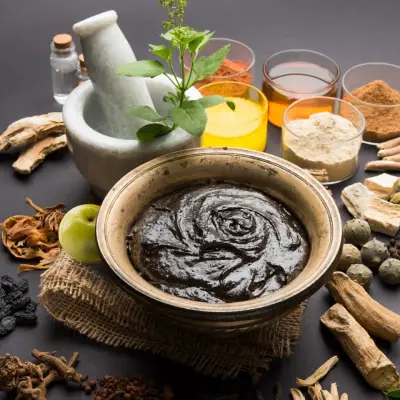
Traditional collagen is derived from animal tissues, including skin, bones, and tendons. As a result, standard collagen peptides and hydrolysed collagen are not suitable for vegetarians or vegans. Plant-based eaters, therefore, rely on the body’s natural ability to produce collagen using amino acids, vitamins, and minerals found in whole foods.
What Is Vegan Collagen Made From?
Vegan collagen typically comes in two forms, providing plant-based eaters with effective ways to maintain healthy connective tissues without compromising their dietary values.
1. Laboratory-Engineered Vegan Collagen
Biotechnology now makes it possible to create collagen-like proteins using genetically modified yeast or bacteria. These microorganisms are engineered to produce collagen molecules that resemble human collagen.
2. Plant-Based Collagen Boosters
Since collagen cannot be extracted directly from plants, supplements labelled as plant-based collagen contain nutrients that activate the body’s collagen-building process. These blends often include vitamin C, silica, amino acids, bamboo extract, berries, and minerals such as zinc and copper.
5 Ways to Increase Collagen Naturally for Vegans
The following steps outline how vegans and vegetarians can effectively enhance collagen production through simple dietary adjustments.
1. Prioritise Vitamin-C-Rich Foods
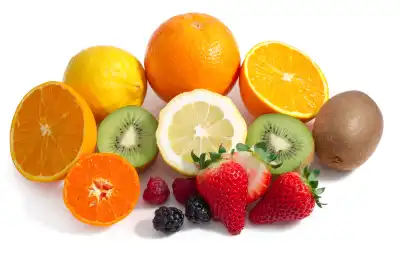
Vitamin C plays an essential role in collagen synthesis, allowing the body to convert amino acids into stable collagen fibres. A diet rich in colourful fruits, such as strawberries, oranges, kiwi, pineapple, blueberries, and peppers, will support collagen formation. Many people also include acerola cherry or sea buckthorn in their diet due to their high vitamin C content.
2. Eat Plenty of Protein-Rich Plant Foods
Lentils, chickpeas, tofu, tempeh, quinoa, beans, pumpkin seeds, and edamame offer excellent coverage of collagen-related amino acids. Chia seeds also provide plant-based protein and omega-3 fats, making them a valuable addition to a collagen vegan diet. Regular intake of protein-rich foods helps maintain skin structure and contributes to long-term tissue resilience.
3. Healthy Fats for Skin Support
Healthy fats enrich the skin’s moisture barrier and maintain elasticity. Omega-3 fats found in chia seeds, flaxseeds, hemp seeds, and walnuts help regulate inflammation and protect collagen fibres from environmental stress. These fats also enhance skin suppleness and contribute to a smoother, more hydrated appearance.
4. Antioxidant-Rich Plant Foods
Fruits and vegetables with deep, vibrant colours contain beneficial plant compounds that preserve the skin’s structure over time. Berries, pomegranates, tomatoes, carrots, and beetroot all provide protective antioxidants that safeguard existing collagen and support the regeneration process.
5. Minerals That Support Collagen
Minerals such as zinc, copper, and silica contribute to collagen production and connective tissue strength. Zinc supports cell repair, copper aids in collagen cross-linking, and silica enhances skin structure. These minerals are found in nuts, seeds, whole grains, oats, lentils, and leafy greens.
Lifestyle Factors That Affect Collagen Levels

Diet plays a central role in supporting collagen, but lifestyle habits influence how well the body maintains and protects this valuable protein.
- Sun Exposure: Ultraviolet radiation breaks down collagen fibres and accelerates signs of ageing. Wear sunscreen, seek shade, and avoid prolonged sun exposure to maintain skin structure.
- Sleep: Collagen production increases during deep sleep when the body repairs tissues. Restorative sleep supports a healthier complexion and allows the skin to recover from daily stress.
- Stress Management: Chronic stress elevates cortisol, which may interfere with collagen synthesis. Mindfulness practices, gentle movement, and an enjoyable morning routine help regulate stress and support collagen renewal.
- Hydration: Adequate water intake keeps the skin hydrated and enhances elasticity. Hydration also supports cellular function and strengthens the collagen matrix within connective tissues.
- Smoking and Excessive Alcohol: Smoking and high alcohol intake damage collagen and reduce the skin’s natural ability to repair itself. Limiting these habits protects collagen fibres and promotes long-term skin health.
Frequently Asked Questions
Is it possible to overconsume collagen-supportive nutrients?
Most collagen-supportive nutrients, such as vitamin C and antioxidants, are easily regulated by the body when obtained through whole foods. Excessive supplementation may not provide additional benefits, so a balanced approach works best.
Can vegan collagen boosters support hair and nail strength?
Collagen contributes to the structure of hair and nails, so supporting collagen production may enhance their resilience. Nutrients such as vitamin C, plant proteins, healthy fats, and minerals assist in maintaining strong, healthy hair and nails. Vegan collagen boosters that contain these elements may provide noticeable improvements over time.
Is vegan collagen suitable for sensitive digestive systems?
Many people with sensitive digestion find plant-based collagen boosters easier to tolerate than animal-derived collagen supplements. Vegan blends often contain fruits, seeds, and minerals that the body recognises and digests naturally. Choosing a supplement with minimal additives increases comfort for those with delicate digestion.
How long does it take to see results from vegan collagen support?
Collagen production is a gradual process, so improvements in skin texture, hydration, and elasticity tend to appear over several weeks. Consistency with nutrient intake and daily habits is key. Most people notice a gentle but steady improvement rather than a rapid or dramatic change.
Recommended for you!
Best SellersStudy Our Understanding Skin Health Diploma for £29
For anyone wanting to explore the science of skin, the nutrients that influence its appearance, and the internal and external factors that shape long-term skin health, the Understanding Skin Health Diploma Course is the perfect next step. The course is available for just £29.