If you're researching helichrysum oil, chances are you're looking for a natural way to care for your skin, whether that means soothing irritation, softening scars, or giving your complexion a nourishing boost.
In this guide, you’ll discover the key uses and benefits of helichrysum essential oi for your skin. We also look at how to use it safely and effectively, and answer some of the most frequently asked questions to help you get the most out of this remarkable oil.
This article is for informational purposes only and does not constitute medical advice. Always consult with a qualified healthcare professional before starting any new skincare treatment, especially if you have underlying health conditions or allergies.
Jump to:
Recommended for you!
Best Sellers

What Is Helichrysum Essential Oil?
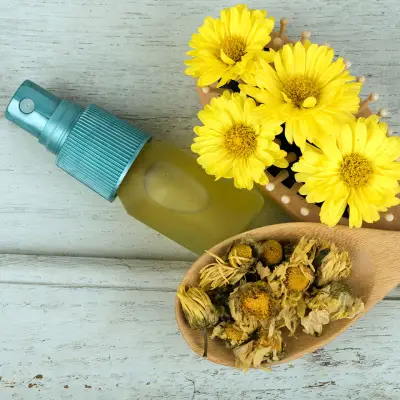
Helichrysum essential oil is steam-distilled from the flowers of the Helichrysum italicum plant, sometimes known as the everlasting or immortelle flower. Native to the Mediterranean region, this plant has been used in traditional medicine for centuries due to its healing and soothing qualities.
The oil is prized for its anti-inflammatory, antimicrobial, and regenerative effects. You’ll often find it sold under the name helichrysum italicum essential oil, which refers to the most commonly used species in skincare.
Is Helichrysum Oil Good for the Skin?

Helichrysum oil is excellent for the skin, particularly if you're looking for gentle, natural support. Its healing properties make it suitable for many skin types, including sensitive, dry, mature, and acne-prone skin.
One of the key reasons people turn to this oil is its ability to soothe irritation, reduce the appearance of blemishes and scarring, and support skin regeneration. It’s often included in formulations targeting fine lines and uneven texture. Helichrysum oil is often described as one of the more skin-friendly essential oils, though like all essential oils, it should still be diluted before use.
Helichrysum Essential Oil’s Benefits for Skin
Helichrysum essential oil offers a range of skin-loving benefits that make it a popular choice in natural skincare. Here are just a few worth knowing about:
1. Encourages Skin Regeneration
A standout feature of helichrysum essential oil is its potential to stimulate skin cell turnover. This regenerative quality helps reduce the appearance of old scars, fine lines, and sun damage over time. It’s one of the reasons the oil is often found in natural anti-ageing products.
2. Calms Redness and Inflammation
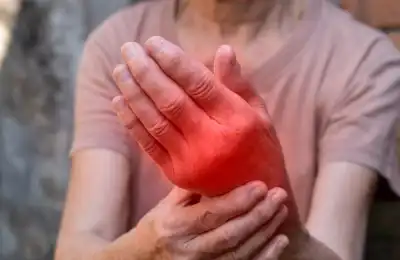
If your skin is prone to irritation, helichrysum oil’s benefits include soothing inflammation and calming flare-ups. It may be helpful for conditions such as rosacea and eczema, as well as post-shaving sensitivity.
3. Supports Wound Healing
The oil's antibacterial and antimicrobial properties make it useful for applying (in diluted form) to minor cuts, scrapes, and blemishes. It can help keep the skin clean while also supporting the healing process.
4. Provides Antioxidant Protection
Helichrysum oil contains powerful antioxidants that may protect skin cells from environmental damage, such as pollution or excessive sun exposure. This protective effect contributes to a brighter, healthier complexion.
5. May Improve Skin Elasticity
While it's not a substitute for clinical treatments, some believe helichrysum essential oil can help improve the skin’s tone and texture by supporting collagen production and elasticity. It may help your skin appear firmer and more supple with regular use.
How to Use Helichrysum Essential Oil on Your Skin

Now that you know what this oil can do, here’s how you can use it safely and effectively:
- Use as a facial oil after cleansing and toning, before moisturising. For facial application, use sparingly and avoid the eye area.
- Apply as a spot treatment to scars or blemishes.
- Add a drop to a soothing face mask or a night-time serum.
Dilution Guidelines
Essential oils should never be applied directly to the skin without dilution. Here's how to dilute helichrysum oil for skin use:
- Mix 2–3 drops of helichrysum essential oil with 1 tablespoon of a carrier oil (such as jojoba, sweet almond, or rosehip).
- Apply to clean, damp skin once or twice daily.
Recommended for you!
Best SellersFrequently Asked Questions
Can helichrysum oil be used on acne-prone skin?
Helichrysum essential oil is often well tolerated by acne-prone skin due to its anti-inflammatory and antibacterial properties. It may helpcalm breakouts and support healing without clogging pores, especially when diluted in a lightweight carrier oil like jojoba. However, always patch test first to ensure your skin reacts well.
Is helichrysum essential oil safe for sensitive skin?
Helichrysum oil is considered one of the gentler essential oils and is often recommended for sensitive and reactive skin types. Its soothing nature makes it a good option for those prone to redness and irritation. That said, sensitivity can vary from person to person, so proper dilution and a patch test are always recommended before regular use.
Can I use helichrysum oil around the eyes?
It’s best to avoid applying essential oils too close to the eyes, including helichrysum. The skin in that area is very delicate and more likely to react. If you're looking to reduce the appearance of fine lines or puffiness near the eyes, use a well-diluted blend and apply it only to the outer orbital bone area, taking care not to let the oil migrate closer to the eye itself.
Does helichrysum oil have a strong smell?
Helichrysum essential oil has a distinct, herbaceous aroma that’s often described as earthy, slightly sweet, and mildly spicy. Some people love its grounding scent, while others find it takes time to get used to. If the smell is too strong for your liking, blending it with oils like lavender, frankincense, or sweet orange can soften the scent without reducing its effectiveness.
How should I store helichrysum essential oil?
Like all essential oils, helichrysum should be stored in a dark glass bottle and kept in a cool, dry place away from sunlight and heat. Proper storage helps preserve the oil’s therapeutic properties and extend its shelf life. With care, it can remain effective for two to three years.
Can helichrysum oil be used during pregnancy?
Helichrysum oil is generally considered safe for use during pregnancy when properly diluted, but it’s always best to consult a qualified healthcare professional or aromatherapist before using any essential oils during this time. Sensitivities may be heightened during pregnancy, so patch testing is especially important.
Can I blend helichrysum oil with other essential oils?
Helichrysum blends well with many other essential oils, including lavender, chamomile, frankincense, rose, and myrrh. These combinations can enhance the oil’s effects and create beautiful aromatic profiles. Just make sure all oils in the blend are diluted appropriately for skin use.
Study Our Essential Oils Business Diploma for £29
If you're fascinated by natural skincare and essential oils, why not take your interest further?
The Essential Oils Business Diploma Course from Centre of Excellence is the perfect next step. You'll learn how to use oils like helichrysum, how to blend safely and effectively, and how to turn your passion into a thriving business. For a limited time, you can enrol for just £29!