
The best dog breeds for households with cats tend to share a calm temperament and naturally low prey drive, rather than aggression or an instinct to chase. If you're hoping to bring a dog into a home that already has a cat, this guide covers the breeds most likely to get along well, plus how to introduce them safely.
What's in this Guide?
This guide covers the best dog breeds for households with cats, along with what actually makes a breed more likely to get along with them. You'll also find guidance on introducing a new dog and cat to one another safely.
Jump to:
What Makes a Dog Breed Good With Cats?
Whether a dog gets along with cats comes down to a combination of breed tendencies and individual temperament, though certain traits make a good relationship far more likely:
- A naturally low prey drive, rather than a strong instinct to chase small, fast-moving animals
- A calm, easy-going temperament that isn't easily overstimulated
- Good general trainability, making it easier to teach appropriate behaviour around the cat
- A history of being bred for companionship rather than hunting or herding
- Early socialisation with cats or other small animals during puppyhood
It's worth remembering that individual personality plays a significant role too, and even breeds known for being cat-friendly can vary considerably from one dog to the next.
Best Dog Breeds for Households With Cats
Golden Retriever

Golden Retrievers are widely considered one of the most cat-friendly breeds, thanks to their gentle, easy-going nature and genuine sociability towards other animals. Their patience means they're generally slow to react even if a cat swats or hisses during the early stages of getting to know one another. With proper introductions, they often go on to form a genuinely close bond with a resident cat.
- Temperament: Gentle, patient, and highly sociable
- Prey Drive: Low, making them one of the more naturally cat-friendly breeds
- Exercise Needs: High; thrives with daily walks, play, and swimming where possible
- Shedding: Heavy, with regular brushing needed to manage their double coat
- Good With: Excellent with children and other pets, and frequently named among the best dog breeds for families
- Lifespan: Around 10 to 12 years
Cavalier King Charles Spaniel
Cavalier King Charles Spaniels were bred specifically as companion dogs, and this shows in how easily they adapt to living alongside cats. Their calm, affectionate nature means they're rarely inclined to chase, and their smaller size makes early interactions feel less overwhelming for a nervous cat. They tend to seek out companionship from any other animal in the household, cats included.
- Temperament: Affectionate, adaptable, and eager for company
- Prey Drive: Low, generally uninterested in chasing
- Exercise Needs: Moderate; generally happy with a couple of shorter walks a day
- Shedding: Moderate, with a silky coat that needs regular brushing
- Good With: Very good with children and other pets, though they dislike being left alone
- Lifespan: Around 9 to 14 years, though prone to certain heart and spinal conditions
Beagle

Beagles are sociable, easy-going dogs that generally do well with cats once properly introduced, though their strong nose can occasionally lead to overly enthusiastic curiosity rather than any real desire to chase. Their friendly, pack-oriented nature means they usually want a companion, whether that's another dog or a cat, rather than viewing them as prey. Consistent training helps keep their natural curiosity in check.
- Temperament: Friendly, curious, and sociable
- Prey Drive: Moderate, given their history as scent hounds, though this is rarely directed at cats specifically once socialised
- Exercise Needs: Moderate to high; enjoys regular walks and sniffing opportunities
- Shedding: Moderate, thanks to their short, dense coat
- Good With: Good with children and generally sociable with other pets
- Lifespan: Around 12 to 15 years
Poodle
Poodles are highly intelligent and trainable, which makes it easier to teach them appropriate behaviour around a resident cat from an early age. Their generally calm, biddable temperament means they're less likely to view a cat as something to chase, particularly with consistent early socialisation. Their intelligence also means they tend to learn a cat's boundaries quickly.
- Temperament: Highly intelligent, alert, and eager to learn
- Prey Drive: Low to moderate, and easily managed through training
- Exercise Needs: Moderate to high, alongside mental stimulation to prevent boredom
- Shedding: Minimal, thanks to their curly, low-shedding coat
- Good With: Generally good with children and other pets when socialised early
- Lifespan: Around 12 to 15 years
Basset Hound

Basset Hounds have a famously low-energy, laid-back temperament that tends to suit households with cats particularly well. Their calm nature means they're rarely inclined to chase or overwhelm a cat, and their short legs mean they're simply not built for a fast pursuit even if they wanted one. They tend to coexist peacefully rather than actively seeking out interaction.
- Temperament: Calm, laid-back, and easy-going
- Prey Drive: Low, despite being a scent hound, largely due to their relaxed overall temperament
- Exercise Needs: Low to moderate; short walks are usually sufficient
- Shedding: Moderate, thanks to their short coat
- Good With: Good with children and generally tolerant of other pets
- Lifespan: Around 10 to 12 years
Bichon Frise
Bichon Frises are small, sociable dogs that generally adapt well to living alongside cats, particularly given their cheerful, non-confrontational nature. Their low prey drive and genuine enjoyment of companionship make them one of the more forgiving breeds during the early stages of a cat and dog getting used to one another. They're often just as happy curling up near a cat as they are seeking attention from their owner.
- Temperament: Cheerful, affectionate, and generally easy-going
- Prey Drive: Low, and rarely a concern around cats
- Exercise Needs: Low to moderate; short walks and playtime are usually enough
- Shedding: Minimal, though their coat needs regular grooming to prevent matting
- Good With: Friendly with children and other pets, and generally very sociable
- Lifespan: Around 14 to 15 years
How to Introduce a Dog to a Cat Safely
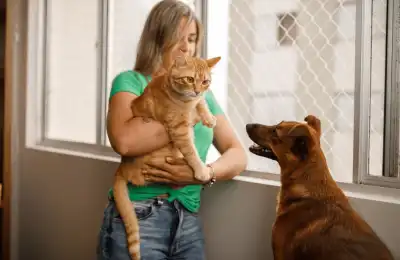
Even the most naturally cat-friendly breed needs a careful, gradual introduction rather than an immediate face-to-face meeting. It's generally best to keep the two separated at first, allowing them to get used to each other's scent before any direct contact takes place.
When you do introduce them, keep the dog on a lead and give the cat a clear escape route, such as access to a high shelf or another room, so they never feel cornered. Short, calm, supervised sessions repeated over several days or weeks tend to work far better than rushing the process, and it's worth watching for signs of stress in either animal, such as prolonged hissing, growling, or a stiff, fixated stare from the dog.
Recommended for you!
Best Sellers







Frequently Asked Questions
What Is the Best Dog Breed to Get If You Already Have a Cat?
Golden Retrievers and Cavalier King Charles Spaniels are both frequently recommended thanks to their naturally low prey drive and easy-going temperaments, though individual personality always plays a role too.
What Dog Breeds Are Not Good With Cats?
Breeds with a naturally high prey drive, such as sighthounds and some terrier breeds bred specifically to hunt small animals, tend to be more challenging to introduce to a resident cat, though early socialisation can still make a significant difference.
Are Small Dogs Better With Cats Than Large Dogs?
Not necessarily. Size matters less than temperament and prey drive, since a large, calm breed like a Golden Retriever can be far more cat-friendly than a smaller breed with a stronger instinct to chase.
How Long Does It Take for a Dog and Cat to Get Along?
This varies significantly between individual animals, ranging from a few days to several weeks or even months, depending on both animals' personalities and how gradually the introduction is handled.
Can a Rescue Dog Be Good With Cats?
Yes, many rescue organisations specifically test dogs for their behaviour around cats before rehoming them, so it's worth asking directly if you're considering bringing a rescue dog home and already have a cat at yours.
Do Puppies Get Along With Cats Better Than Adult Dogs?
Not necessarily, though puppies do have the advantage of being socialised alongside a cat from an early age, which can make a lasting difference to how comfortable they are with cats long-term.
What Should I Do If My Dog Won't Stop Chasing My Cat?
If chasing continues despite consistent training, it's worth speaking to a professional dog trainer or behaviourist, since ongoing prey-driven behaviour can pose a genuine risk to a cat's safety if left unaddressed.
Study Canine Behaviour and Training for £29
If you're hoping to bring a new dog into a home with a resident cat, our Canine Behaviour and Training Course will help you understand canine behaviour and manage introductions with confidence. You'll learn how to read your dog's body language and build a genuinely peaceful household, and for a limited time, you can enrol for just £29.




