Magical realism is a genre that merges the everyday and the extraordinary. It’s not about epic battles or vast magical kingdoms. Instead, magical realism brings wonder into the familiar world, presenting impossible events as if they are part of life’s daily rhythm.
If you want to write a magical story that feels enchanting yet believable, this guide will give you ideas and prompts to spark your imagination. You’ll learn how to shape your characters and world, and how to develop plots and themes that blend the real and the surreal.
Jump to:
- What Is a Magical Realism Story?
- Step 1: Decide What Kind of Magical Realism You’re Writing
- Step 2: Create Compelling, Believable Characters
- Step 3: Use Magical Realism Tropes Thoughtfully
- Step 4: Build a Vivid, Believable World
- Step 5: Craft a Plot That Reflects the World
- Step 6: Explore Themes That Deepen the Message
- Prompts and Magical Realism Ideas for Inspiration
- Frequently Asked Questions
- Study Our Novel Writing Diploma for £29
Recommended for you!
Best Sellers






What Is a Magical Realism Story?
The definition of magical realism, sometimes called magical surrealism, is storytelling that combines realistic, everyday settings with magical elements that are accepted as ordinary. The magic is never explained or treated as unusual; it’s simply part of the world. When you write a magical realism story, your goal is to create a world where magic feels inevitable, not remarkable.
This is what separates magical realism from fantasy. In fantasy stories, magic often comes with rules, systems, and otherworldly settings. Whereas, magical realism stays firmly rooted in a recognisable world, and the magic is subtle, symbolic, and often tied to deeper emotional or cultural truths.
For example, in One Hundred Years of Solitude by Gabriel García Márquez, generations of the Buendía family experience miracles, curses, and supernatural events, yet life goes on as normal. In The Alchemist by Paulo Coelho, magical signs and guidance shape the protagonist’s journey, but they feel part of life’s natural flow.
Step 1: Decide What Kind of Magical Realism You’re Writing
Some magical realism stories draw heavily on folklore and cultural mythology. These might include references to local legends, ancestral spirits, or magical customs rooted in tradition. Others lean into surrealism; quiet, dreamlike strangeness where odd things happen without explanation, such as a character who notices the sun rises from a different direction each day.
Think about what flavour of magical realism suits your story. The genre has several styles, and identifying yours will help you make consistent choices in tone, imagery and themes.
Another approach is political or social magical realism, where magical events reflect real historical struggles or cultural shifts. Here, the magical element serves as both symbol and commentary, deepening the reader’s understanding of the real-world issue.
Ask yourself: will your magic be symbolic and metaphorical, grounded in cultural myth, or used to explore wider social themes? Once you know, you can decide how the magic will enter your story: subtly, suddenly, or as a constant presence.
Step 2: Create Compelling, Believable Characters
The strength of magical realism lies in its balance between realism and fantasy, and your characters are the anchor that makes the magic feel real. The magical elements should reveal something about your characters’ inner lives rather than existing purely for spectacle, and your characters should be well-rounded, relatable people with emotions, motivations, and flaws.
Instead of reacting with disbelief, your characters will accept magical events as a normal part of life. This acceptance is essential; it keeps the tone consistent and immerses the reader in your world. For example, in Laura Esquivel’s Like Water for Chocolate, the protagonist’s emotions infuse the food she cooks, affecting those who eat it. The characters do not treat this as unusual; they simply experience its effects.
When developing your characters, think about their background, culture, and personal history. If your magical realism plot ideas include a character who can hear people’s thoughts, how does this ability shape their relationships? If a family has lived under a never-ending snowfall, how has this shaped their daily life, hopes and fears?
Step 3: Use Magical Realism Tropes Thoughtfully
Certain recurring patterns, or tropes, appear often in magical realism, and they can help you structure your story. But they should be used with care and purpose.
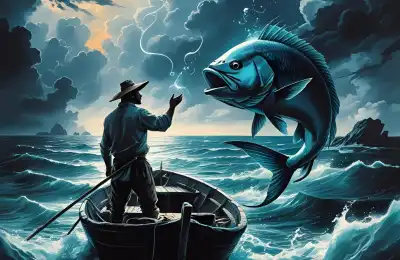
One common trope is placing magical events in entirely ordinary settings. This contrast heightens the strangeness while keeping it believable. For example, a realist story about a fisherman might include fish that tell him the future, but the fishing village itself remains realistic and grounded.
Another frequent technique is giving magic a symbolic function. A character who grows a tree from their chest might represent the weight of memory or the inescapable ties of family. In magical realism writing, the magic is rarely random; it often connects to the themes and conflicts at the heart of the story.
The narrative tone is also a distinctive feature of the genre. Magic realist stories often use matter-of-fact language to describe extraordinary events. Avoid overly dramatic or mystical descriptions; the power lies in understatement.
Step 4: Build a Vivid, Believable World
World-building in magical realism is about grounding the reader in reality so the magical elements feel seamlessly woven in. The world should be recognisable; it could be your own hometown, a familiar city, or a remote village that still follows the rhythms of modern life.
Fill your setting with rich sensory details: the smell of bread from a bakery, the hum of a marketplace, the texture of worn wooden floors. These details root the reader in a world they can picture and believe in.
Once you’ve established a realistic setting, you can weave in your magical elements subtly. Perhaps a river runs backwards for a week every spring, or once a month, the moon turns red, and people wake with new memories. Don’t over-explain these details; their mystery is part of their power. In magical realism, magic often reflects the emotional landscape of the characters. A town where flowers grow from the cracks in the pavement might reflect resilience or unspoken love.
Step 5: Craft a Plot That Reflects the World
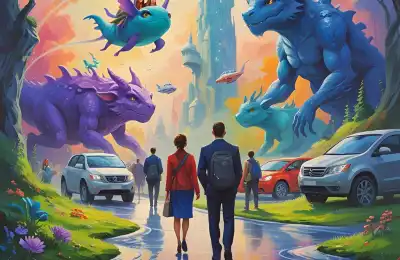
The plot structure of magical realism often mirrors life’s unpredictability. It may not follow a strict hero’s journey, and it often resists neatly tied-up endings. Instead, it can be episodic, circular, or ambiguous.
Your plot should allow the magical events to highlight themes rather than act as solutions to problems. If a woman has the power to summon rain, she shouldn’t simply use it to end a drought and resolve the story; instead, the rain might complicate life in unexpected ways or reveal truths about the community.
Keep most of your story grounded in real-world events: relationships, work, family, and community life. Let the magic drift in and out like a recurring dream, touching the story in ways that are meaningful but not necessarily explained.
Step 6: Explore Themes That Deepen the Message
The most memorable magical realism stories explore themes that resonate beyond the page. Love, loss, identity, and transformation are common, but the genre also works beautifully for exploring history, culture, and social change.
Ask yourself what your magical element symbolises. Does it stand for hope, oppression, grief, or resilience? How does it change the way your characters see themselves or each other?
In Haruki Murakami’s novels, surreal moments often parallel the characters’ inner states, highlighting loneliness, longing, or self-discovery. The magic should deepen the story’s meaning, not distract from it.
Prompts and Magical Realism Ideas for Inspiration
If you’re looking for magical realism writing prompts or story ideas, here are a few to start with:
- In a small town, everyone’s dreams appear as clouds above their heads the next morning, and no one questions it.
- A woman receives a letter from her future self every year on her birthday, but the sender never signs it.
- Every spring, a mysterious song drifts across the town at midnight, and anyone who hears it remembers a moment they had forgotten.
- A man discovers that the shadows of trees change shape depending on who walks past them.
- A family’s house slowly rotates, facing a different direction each week, yet no one in the household notices.
Recommended for you!
Best SellersFrequently Asked Questions
What must a story include to be magical realism?
A magical realism story needs a recognisable, realistic setting that feels grounded in everyday life. The magical elements should be integrated naturally into this world and treated as completely ordinary by the characters. The tone must remain consistent, without shifting into heightened drama when the magic appears.
Is magical realism fantasy?
Although magical realism and fantasy both feature extraordinary events, they differ in setting, tone, and purpose. Fantasy often involves entirely invented worlds, complex magical systems, and characters who openly acknowledge the supernatural. Magical realism exists in our own world, with magic woven into daily life and treated as ordinary. This grounding in reality is what makes magical realism distinct from the more openly imaginative fantasy genre.
Does Harry Potter count as magical realism?
The Harry Potter series is firmly in the fantasy genre because magic is openly acknowledged and is central to the world’s structure. In magical realism, magic is not questioned or defined; it simply exists alongside the ordinary. In Harry Potter, magical schools, spells, and creatures are part of a parallel world, making it different from the subtle, integrated magic found in magical realism stories.
Is Pan’s Labyrinth magical realism?
Many consider Pan’s Labyrinth a form of magical realism because it blends real historical events with fantastical imagery. However, others argue it leans more towards fantasy due to its more dramatic magical sequences and separate imaginary realm. The interpretation depends on whether you see the magical elements as part of the character’s reality or as symbolic fantasy existing alongside, but distinct from, the real world.
Is Kafka’s work magical realism?
Some of Franz Kafka’s works, such as The Metamorphosis, are often labelled magical realism because they present impossible events (like a man transforming into an insect) within a recognisable world and without detailed explanation. However, others argue his style fits better under absurdism or surrealism due to its existential themes and unsettling tone. The blurred boundaries show how magical realism overlaps with other genres in interesting ways.
Why is magical realism sometimes called a paradox?
Magic realism is called a paradox because it fuses two seemingly opposing ideas: a realistic, everyday world and events that are impossible by natural law. The genre asks readers to accept both at once, without needing an explanation for how the magic works. This tension between reality and the fantastical creates a unique storytelling style that is both believable and dreamlike, allowing readers to question the nature of truth.
Can magical realism be written as a short story?
Magical realism short story examples can be incredibly effective because a single unexplained magical event can carry significant symbolic weight in a brief space. In fact, the compact form can make the magic feel even more striking. A short story about a character who wakes to find their garden blooming in midwinter could carry themes of hope, memory, or renewal without ever explaining why it happens.
Study Our Novel Writing Diploma for £29
If you’re ready to write your own magical realism story, or any kind of novel, the Novel Writing Diploma Course from Centre of Excellence can guide you from your first idea to a finished manuscript. You’ll learn how to create believable characters, weave plots that captivate, and build vivid, memorable worlds. For a limited time, you can enrol for just £29, gaining lifetime access to expert lessons, resources and creative inspiration.