If you've ever wondered which dog breeds need walking the most, you're not alone; it's one of the first questions prospective owners ask. Getting it right matters: too little exercise and your dog may become bored or anxious; too much and you risk overexerting a breed that simply isn't built for it.
What's in this Guide?
This post covers everything from high-energy working breeds to more relaxed companions. You'll learn which active breeds of dogs need the most time outdoors, which smaller breeds can surprise you with their stamina, and which dogs are better suited to a quieter lifestyle.
Jump to:
What Affects How Much Exercise a Dog Needs?
Before jumping into specific breeds, it helps to understand the factors that influence a dog's exercise requirements. Here are the main things to consider:
- Breed and working history: Dogs bred for herding, hunting, or retrieving tend to have high energy levels. They were developed to work long hours, and that drive doesn't disappear just because they're now living as pets.
- Age: Puppies and adolescent dogs generally need more stimulation, though their joints are still developing, so exercise should be age-appropriate. Senior dogs often slow down and need gentler, shorter walks.
- Health and fitness: A dog with joint problems or a respiratory condition will have different needs from a healthy, fit adult dog of the same breed.
- Temperament: Even within a breed, individual dogs vary. Some are naturally calmer; others seem to have boundless energy regardless of how much you walk them.
Most Active Dog Breeds
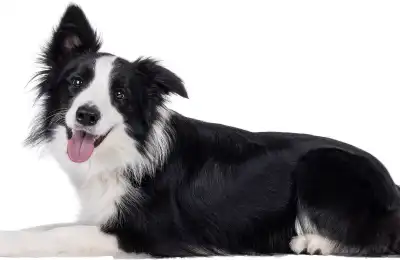
If you love spending time outdoors and want a dog who'll match your pace, certain breeds stand out as the most active dogs you can own. These are dogs that need significant daily exercise.
Border Collie
Consistently ranked among the most active dog breeds, the Border Collie was bred for all-day herding. They're incredibly intelligent, which means they need mental stimulation as much as physical exercise. Without it, they can develop behavioural problems. Border Collies do best with at least 90 minutes of vigorous exercise per day.
English Springer Spaniel
The English Springer Spaniel is another breed with seemingly inexhaustible energy. Originally bred as a gun dog, they love to run, sniff, and explore. An English Springer Spaniel mix with a Border Collie would combine two of the most driven working breeds. The result is a dog with exceptional stamina and intelligence, requiring an equally dedicated owner.
Siberian Husky
Built for pulling sledges across frozen terrain, Huskies are powerful, tireless dogs. They need a great deal of daily exercise and can become destructive or vocal if under-stimulated. They're best suited to active owners who enjoy long-distance running, hiking, or cycling with their dog.
Vizsla
Often called the "Velcro dog" because of their close attachment to their owners, Vizslas are also one of the best dogs for long walks. They need around two hours of exercise daily and love activities that combine movement with human interaction.
Dalmatian
Historically bred to run alongside horse-drawn carriages, Dalmatians have extraordinary endurance. They suit active families who can commit to regular, substantial exercise.
Which Dogs Enjoy Long Walks?
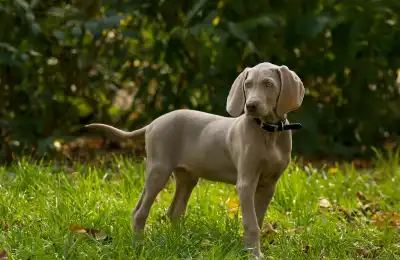
The best dog for walking isn't necessarily the largest or most athletic-looking breed. What matters most is that your dog's energy levels align with your own lifestyle and availability. Breeds that tend to relish long walks include:
- Labrador Retriever: Sociable, enthusiastic, and physically robust, Labs are happy companions on walks of any length.
- Golden Retriever: Similar to the Lab in temperament, Goldens are gentle but energetic and love being outdoors.
- German Shepherd: Intelligent and athletic, German Shepherds thrive on long, purposeful walks that challenge both body and mind.
- Weimaraner: A breed with great stamina and a love of open spaces, making them ideal for countryside and trail walking.
- Australian Shepherd: Like the Border Collie, Aussies are herding dogs with high energy and a need for regular, sustained activity.
Small Dogs That Like Long Walks
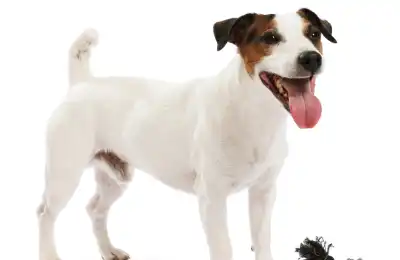
It's a common misconception that small dogs don't need much exercise. In reality, many small breeds are surprisingly energetic and genuinely enjoy extended outings. If you're looking for small dogs that like long walks, these breeds are worth considering.
Jack Russell Terrier
Jack Russells were bred for fox hunting and have energy levels that far exceed what their compact bodies might suggest. They love to run, explore, and investigate, making them perfect companions for a long country walk.
Parson Russell Terrier
Similar to the Jack Russell, the Parson Russell Terrier is an athletic, spirited breed that genuinely enjoys being out and about for extended periods. They're robust, alert, and always up for an adventure.
Miniature Schnauzer
Lively and curious, Miniature Schnauzers enjoy a decent amount of daily exercise and adapt well to varied environments. They're robust little dogs with plenty of personality to spare.
Welsh Corgi
Originally a herding dog, the Corgi is low to the ground but surprisingly agile and energetic. They enjoy regular, brisk walks and benefit from more exercise than many people assume.
Dogs That Don't Need Much Walking
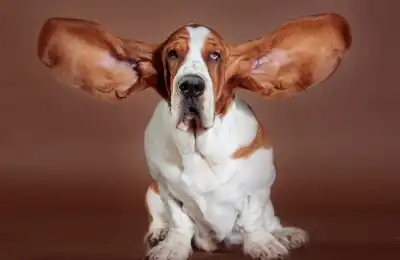
If you lead a quieter lifestyle or have limited time for exercise, there are plenty of wonderful breeds that are happy with shorter, more gentle outings. Dogs that don't need much walking include:
- Basset Hound: Calm and low-energy, Bassets enjoy a leisurely stroll but aren't built for intense exercise.
- Shih Tzu: A companion breed through and through, the Shih Tzu is content with short daily walks and plenty of indoor time
- English Bulldog: Due to their build and tendency toward breathing difficulties, Bulldogs need only moderate, gentle exercise.
- Chow Chow: Independent and relatively calm, Chow Chows don't demand extensive exercise and are happy with moderate daily walks.
- Cavalier King Charles Spaniel: Although adaptable, Cavaliers are generally content with moderate exercise and enjoy a calm home environment
How to Tell If Your Dog Is Getting Enough Exercise
Even when you know your breed's general requirements, it can be tricky to know whether you're hitting the mark in practice. Here are some signs to watch for.
Signs your dog may need more exercise:
- Restlessness or pacing, particularly in the evenings
- Destructive behaviour such as chewing furniture or shoes
- Excessive barking or whining
- Pulling very hard on the lead
- Weight gain
Signs your dog may be over-exercised:
- Lagging behind or refusing to continue on walks
- Soreness or limping after exercise
- Excessive panting that takes a long time to settle
- Lethargy that lasts for more than a day after a long walk
Finding the right balance is part of getting to know your individual dog. Breed guidelines are a helpful starting point, but your dog's own behaviour will give you the clearest picture.
Recommended for you!
Best Sellers



Frequently Asked Questions
How many times a day should I walk my dog?
Most dogs benefit from at least two walks a day, though high-energy breeds may need three or more. The total duration matters as much as the frequency, so aim to meet your breed's daily exercise quota across those sessions.
Can I over-exercise my dog?
It is possible to over-exercise your dog, particularly with puppies, elderly dogs, and flat-faced breeds. Pushing a dog beyond their physical limits can cause joint strain, exhaustion, and long-term injury, so it's always worth researching your specific breed's needs.
Is a garden a substitute for walking?
A garden can supplement exercise but shouldn't replace walks entirely. Dogs need the mental stimulation that comes from exploring new environments, encountering smells, and socialising, something a familiar garden can't fully provide.
Do dogs need walks in bad weather?
Most dogs still need some outdoor time in poor weather, even if the walk is shorter than usual. Investing in a waterproof dog coat for sensitive breeds can help make wet-weather walks more comfortable for both of you.
At what age can I start walking my puppy?
Most puppies can begin short walks around a week after completing their vaccination course. A general rule of thumb is five minutes of exercise per month of age, twice a day, to protect their developing joints.
Can walking help with a dog's behaviour problems?
Regular exercise can make a significant difference to behavioural issues rooted in boredom and excess energy. That said, it's not a fix-all; some behavioural challenges benefit from structured training alongside physical activity.
Study Canine Behaviour for £29
Understanding your dog's exercise needs is just one part of building a happy, healthy life together. If you'd like to go deeper, the Canine Behaviour Training Diploma Course is a brilliant place to start. For a limited time, you can access the course for just £29.