
Speech TherapyCourse




Speech Therapy is a practice that assists people with speech and language disorders or who have trouble swallowing. This course takes you through the role of a speech therapist, the anatomical structures and physiological functions of speech and hearing, phonetics, language development and speech disorders, the structure of language, and career paths in this field.
Course overview:
Certified by CPD
Exclusive access to our study group
Accredited
Learn from desktop, tablet, and mobile
9 modules
Download our learning app
Listen along with every module
Printed and PDF version of course available
Real-time support from our agents
Earn reward points
Accredited CPD courses trusted by
millions worldwide


What will you learn?
The Speech Therapy Course introduces the fundamentals of speech and language support. It begins by offering an overview of common speech disorders and the techniques often used to assist those experiencing communication difficulties. You'll explore the role of a speech and language practitioner, the types of conditions they support, and gain an understanding of key terminology used in the field.
To understand how speech develops and functions, you’ll be guided through the anatomical structures and physiological systems involved in speech production—such as the respiratory, laryngeal, and articulatory systems. You’ll also be introduced to the auditory system and the principles of audiology, including hearing structures, the physiology of hearing, and indicators of hearing loss that may require referral for further assessment.
The course explores speech and language development, including the stages of linguistic advancement in both monolingual and bilingual children. You’ll also examine phonetics, broken down into its three core branches:
-
Articulatory Phonetics – how speech sounds are produced
-
Acoustic Phonetics – the physical properties of speech sounds
-
Auditory Phonetics – how speech sounds are heard and interpreted
You'll also delve into speech perception, which refers to how individuals understand spoken language.
The structure of language—covering morphology, syntax, and semantics—is explained in detail, alongside how children learn and apply language rules. Common developmental patterns and errors are discussed, including those that may indicate speech and communication challenges.
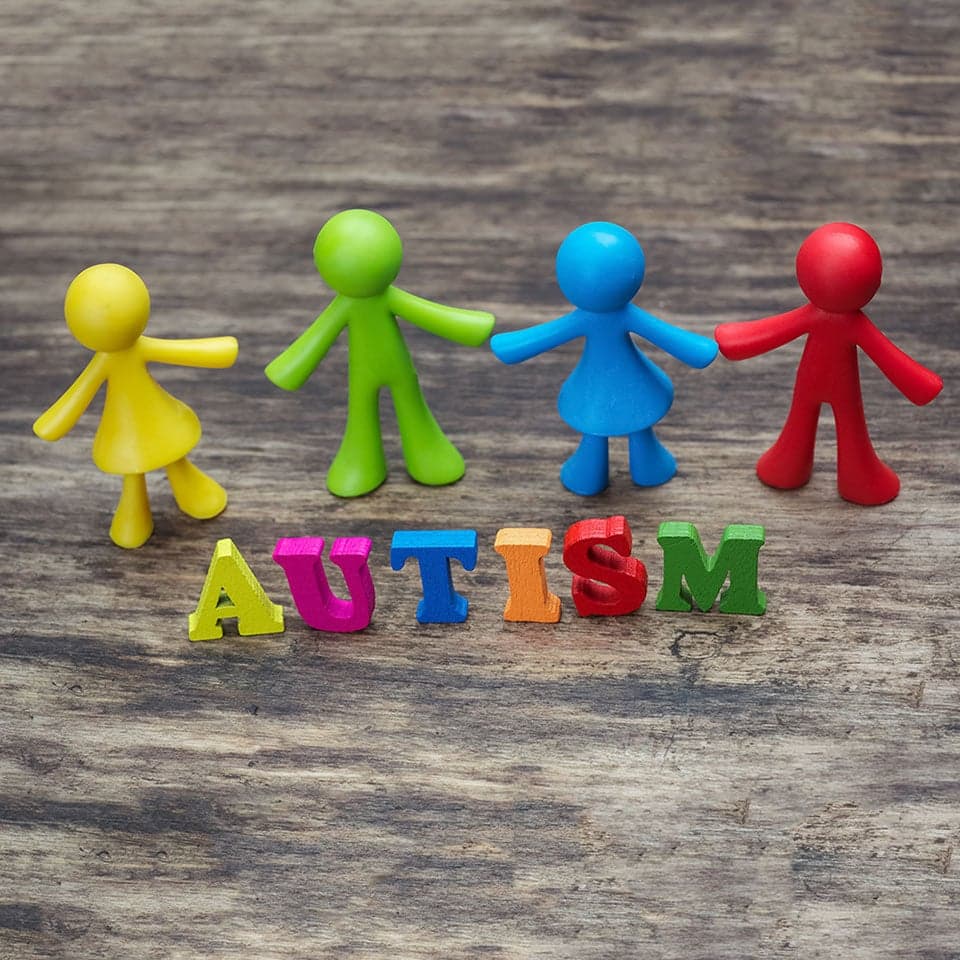
This course provides insight into conditions that can influence speech and language development, such as neurological disorders, brain injury, autism, apraxia, intellectual disability, vocal strain, and physical impairments. It also covers tools such as the Picture Exchange Communication System (PECS) used to support communication development, particularly in autistic children.
In addition, you’ll explore a range of environments where speech and language support may be offered—such as schools, healthcare, and community settings—and consider the variety of roles and responsibilities associated with this work.
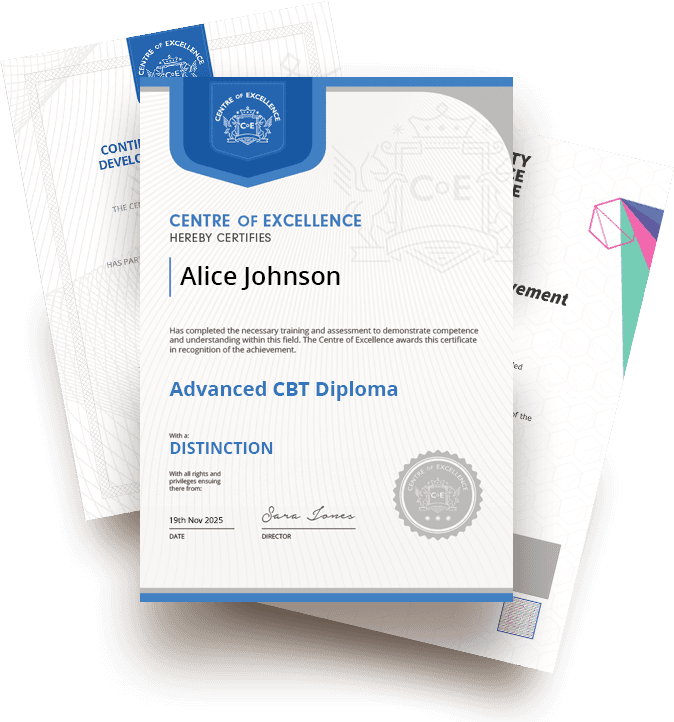
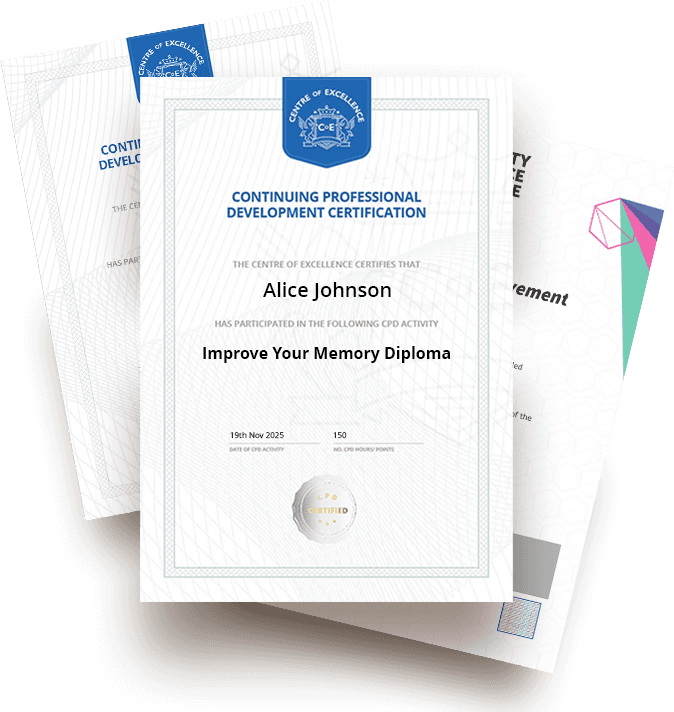
Upon successful completion of the course, you will have the option of printing your CPD accredited certificate.
Who would benefit from the course?
This course offers valuable insight into the field of speech and language support, serving as an ideal starting point for those interested in exploring a future career in this area. It provides a strong theoretical foundation, helping learners understand the scope of the profession and the pathways available for further study and qualification.
The course is also a comprehensive resource for parents whose children are receiving speech therapy, as well as for educators, carers, and support workers who wish to better recognise and understand speech, language, and hearing-related challenges.
Speech Therapy as a Career
Please note that this course provides an introductory overview of Speech Therapy and is intended for educational and personal development purposes only. It does not qualify you to practise as a Speech and Language Therapist, nor does it permit the use of the protected professional title.
In the UK, Speech and Language Therapy is a regulated profession. To practise as a Speech and Language Therapist, you must complete a Health and Care Professions Council (HCPC) approved degree or postgraduate programme and register with the HCPC. Practical experience is also a vital part of professional qualification and readiness for clinical roles.


Over 2 Million Customers Worldwide
Explore our student success stories to see how Centre of Excellence could change your life
Find out more
Enjoy these Bonus Offers when you Purchase this Course Today!

Bonus #1
Bonus #2
Bonus #3
Accredited CPD courses trusted by millions worldwide

FAQs
How Our Courses Help to Change Lives!
The determination and enthusiasm of our students never ceases to impress us and there is nothing better than seeing our graduates go on to succeed in further education, work, business or just life in general!

“After years of reading and studying diet & nutrition from various sources, I'm glad I finally decided to go for a formal certification”
Marwan
Clinical Weight Loss Coach
Read Testimonial



Charlotte's Story
Charlotte
Sensor Processing Disorder Awareness / Advanced Autism Awareness
Read Testimonial
Lydia's Story
Lydia
Health & Social Care & Children and Young People's Mental Health and Wellness
Read Testimonial

Arune's Story
Arune
Depression Counsellor / Couples and Family Therapy / Relationship Psychology
Read Testimonial
“After years of reading and studying diet & nutrition from various sources, I'm glad I finally decided to go for a formal certification”
Marwan
Clinical Weight Loss Coach
Read TestimonialCharlotte's Story
Charlotte
Sensor Processing Disorder Awareness / Advanced Autism Awareness
Read TestimonialLydia's Story
Lydia
Health & Social Care & Children and Young People's Mental Health and Wellness
Read TestimonialArune's Story
Arune
Depression Counsellor / Couples and Family Therapy / Relationship Psychology
Read TestimonialDiscover more hand-picked courses tailored to your learning journey







More Ways To Learn!
With each course you complete, you’re unlocking new opportunities - for your career, your wellbeing, your passions, and more...
And just like you, our platform is always growing! Download the FREE CoE app and continue your learning journey whenever and wherever you are.




Introducing our NEW
Grow Access All Membership
All courses. All audio. One membership.
Get instant access to our full library of courses and audio courses, plus entry to our Member Hub, exclusive benefits and member-only discounts.
Sign up today for our lock-in limited price of just £16.00 per month (billed annually)
Subscribe and Save14 day money back guarantee!
Take the time you need to decide! Start a course today and embark on a 14-day journey through our courses, backed by our money-back guarantee. If you discover the course isn't the right fit for you, our customer support team will ensure a friendly and fast refund process!
Discover our Child Education Blogs